
Queen Victoria - Part 10 - Jubilees & Sorrows
6 Video Views·Dec 23, 2022
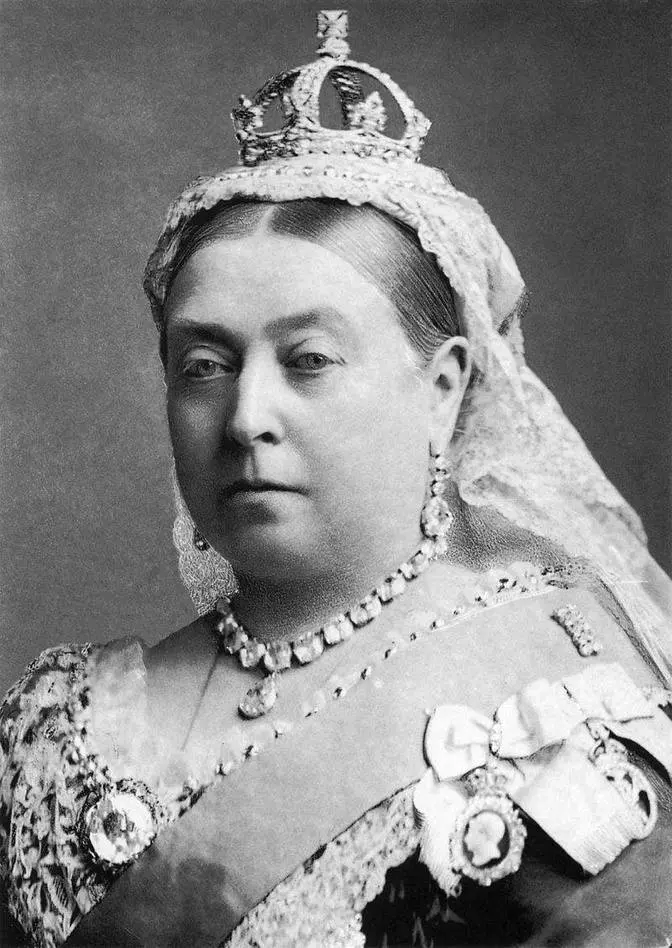
By the time of her golden jubilee in 1887, Queen Victoria was immensely popular at home and probably the most easily recognizable figure in all the world.
The jubilee was a great family occasion. This was a time when blood ties connected most of Europe's ruling family.
But it was also an expression of empire, as representatives from across the globe took part in the procession to Westminster Abbey.
Ten years later, the Diamond Jubilee, though equally impressive, was less triumphant. Fewer of the Queen's relatives attended, and a series of tragedies left her less inclined to celebrate.
By 1897, Queen Victoria had outlived two of her children, Alice and Leopold, and several of her grandchildren. As Grand Duchess of Hesse, Princess Alice, like her father, exhausted herself in the service of her people.
She covered herself in protective clothing, and sprayed herself with disinfectant after ministering to them. And adhering to the strict instructions from the doctors, she refrained from kissing, or holding them.
Her final words were a whispered, Dear Papa. Six years later, as was shown in an earlier video, Prince Leopold died as a result of a fall. And in 1888, the Queen's favourite son-in-law, Vicky's cousin Fritz, died of throat cancer.
He had been Emperor for only three months, and his death might be seen as a tragedy, not only for the family, but also for Germany, and the whole of Europe.
Throughout the 1890s, further sorrows followed. The Prince of Wales Elvis's son, Prince Albert Victor, contracted influenza, and died six days after his 28th birthday, on January 1892.
In 1896, Princess Beatrice's husband, Prince Henry of Battenberg, died of malaria, while taking part in the Ashanti expedition to Africa.
And in 1899, young Affie, the only son of Alfred, Duke of Edinburgh and Coburg, died in tragic circumstances at the age of 24.
A year later, his father also died, and by then it was clear that Vicky too was suffering from cancer. She would die within a year of her mother.
The final years of the Queen's reign were marred by these tragedies, and also by the sorrow she felt for her soldiers who were being killed in various expeditions on behalf of the Empire.
As the mother of her country, the Queen felt their loss deeply, and the horrors of the Boer War tormented her greatly. Weighed down by these sorrows, the Queen's own health began to fail.
By 1900, Queen Victoria, who had given her name to an era, and whose image had dominated almost a century, seemed to be declining with that century.
.