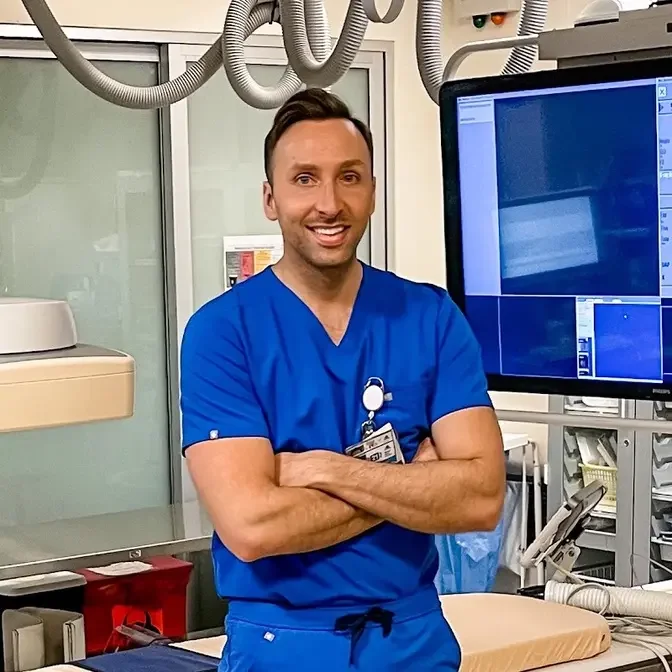
My goal of this channel is to shed some light on everything that goes on behind the scenes of medical school and medical training. It is a very very long process and many people aren't aware of the intricacies that go on behind the scenes. In this video, I wanted to show you all just how many times we move during our medical training. It isn't just me that moved this many times....A LOT of doctors will move around quite a bit during their training. Hope you all enjoy! ______
What is going on everybody? Welcome back to my channel. For those of you who are new around
here, my name is Michael aka Dr. Cellini and I'm a senior interventional radiology resident
physician. And since most of you guys know I'm moving to New York City very soon and I'm currently
packing as you can see here, I figured it would be a good time to talk about why we move so much
during our medical training and how we adapt to it. So let's go ahead and get into it. So when I
was planning for this video, I realized that I have moved seven times over the last 10 years
during my medical training, which is absolutely crazy to think about. And you have to adapt to
so many different scenarios so many different times over and over again. So I wanted to talk
about my moving process throughout medical school and residency and show you all just how many times
we have to move during our medical training and why we have to move in our medical training. So
where does it all begin? Well for me it was before I went to med school. I was currently working in
Atlanta, Georgia as a leasing specialist, which I spoke about in my prior videos, which I'll link up
here or whatnot. And at this current job is when I finally made the decision to pursue medicine.
So I started taking pre-medicine prerequisites while I was working in Atlanta and I did those
courses at a local state university. So many people ask me if I did them at a state university
or a community college. So yes, I did them at a state university. So as you all may know from
prior videos as well, when I was finishing up those pre-medicine prerequisites, I ended up
taking a job in New York City because I planned on doing a whole nother year doing further coursework
and bettering my GPA. And I only applied to one medical school at that time. So my first move was
from Atlanta to New York City. So I moved to New York City for this job, which was an analyst, which
I spoke about in my prior videos. So the reason I took the job was because, A, I wanted to see what
New York City was all about and B, because all of my friends from college actually moved up to the
city, strangely enough. So as you all know, the story goes, I worked there for about eight to
10 months and then I got accepted into the only medical school that I applied to, which was all
the way back in Atlanta, where I just came from. So my second move was from New York City back to
Atlanta. So I spent the next two years in medical school going through the pre-clinical years,
which is basically 24 hours a day, seven days a week, studying non-stop. No experience in the
hospital, nothing but a textbook and a library and a million different exams. So after your second
year finishes your pre-clinical years, then you have to start your rotations, which happen inside
of the hospital. In your third year is where you rotate through all the basic or main specialties
in medicine. So you do your family medicine rotation, your internal medicine rotations,
your OBGYN rotation, your general surgery rotation, pediatric rotation, and psychiatry as well. Then
you get a few electives thrown in there as well. So the way these third year rotations work at most
medical schools is that you do them at your hospital or the hospital associated with your
school. We had an option of doing our rotations at another hospital site as well, which was about
two hours away from where our medical school was. I, along with five of my really close friends from
medical school, happened to all do our rotations together, which means we all rented a house
together for a year and it was basically like undergrad all over again. We had so much fun that
year being in and out of the hospital, meeting everybody. It was a blast. So my third move of
this video is moving from Atlanta to about two hours outside of Atlanta to a small community
hospital where I did a majority of my third year rotations. So then after you finish your third
year clinical rotations, you have another fourth year of clinical rotations, which are mostly made
up of elective courses that you can kind of gear towards your specialty of choice. So for me, for
instance, I wanted to do radiology, so a lot of my rotations at the beginning of the fourth year
were geared towards radiology. They get in one or two diagnostic radiology rotations, followed by
interventional radiology rotation, followed by a neuro-interventional radiology rotation.
And that was all before Christmas, so from June to Christmas, it was purely radiology essentially.
Now, the way these rotations, your fourth year work, are that yes, you can do them at your current
hospital, but if you want to do audition rotations, you can do them at another hospital pretty much
anywhere you want across the U.S. or even outside of the U.S. sometimes if you get approval. I wanted
to go back to New York City because that's where all my friends were, so I tried my hardest to get
most of my rotations my fourth year in New York City, which means my fourth move was from two
hours outside Atlanta all the way back to New York City. So we're sensing a common trend here.
So I was back in New York City doing all of my elective rotations at a different hospital pretty
much every single month, and it was so much fun. I was back with my friends. I got to meet new
residents, attendings, medical students in every different hospital around the country who are also
rotating to those hospitals, and it was just a ton of fun. But also remember that these fourth year
rotations or the elective rotations in your subspecialty are pretty serious because your goal
is to get a letter of recommendation or an honors pass for that rotation, which means you have to
perform at the top tier of all med students who are also rotating at that rotation. So yes, it is a lot
of fun, but it was also a lot of work. And let's not forget, since I didn't have an apartment, I didn't
want to lease an apartment in New York City, and I didn't know where my next rotation was going to be
until probably a month before, you're kind of bouncing to a new apartment all over the city
every single month. There's a lot of couch surfing and a lot of can I stay with you kind of deal. So
that was my fourth move, and my fifth move was actually once I matched into residency. So the
end of your fourth year, you go through a match process and you rank your top residency programs
about what location and what program you want to match into, and then those programs also match you
according to what person they like the most. And then this whole big algorithm happens and
spits out where you're going for the next four or five years. It's absolutely crazy. You can only
plan so much for it, so you just kind of expect to move somewhere and you hope that it's the place
you want to go. I knew I wanted to stay in New York City for intern year, but I kind of wanted to
go to a different program outside of the city for residency. And then the match process happened,
and I matched into surgery intern year in Manhattan or New York City, which means my
fifth move was just kind of down the street a little bit, but also in New York City. So then I
spent my entire fifth year working in Manhattan, and then I had to move a sixth time to start my
residency. And I know you guys are like, why are you going to a different place for internship and
residency? And the thing is, when I matched into residency, there weren't a lot of integrated
surgery and interventional radiology programs. That just wasn't a thing that people normally did.
It's much more common now, a couple years later. I essentially had to match into a separate
internship and also a diagnostic radiology residency at the exact same time. The match
processes for each of them happen at the same time, but there's a good chance that you won't
get both of those matches in the same city or even the same hospital. So at the end of my fourth year,
I found out that I matched into surgery in Manhattan and also radiology in North Carolina,
which means I knew at the end of my surgery year I was going to have to move back down south to
North Carolina, which is exactly what I did on my sixth move, which was back down south from
Manhattan to North Carolina. So this is now my sixth move down to North Carolina and I've lived
here now four years, so this is my sixth move in the last 10 years. And I've loved living here,
but now somehow these four years have flown by and I have to move for the seventh time coming up
right here in a few weeks. And you guessed it, my seventh move is going to be from North Carolina
back to New York City. So basically I just have a huge zigzag from New York City and somewhere else
to New York City to somewhere else to New York City to somewhere else and I always find myself
going back. I don't know why, it just happens that way. So I chose to do my fellowship in New York City.
It's again kind of a match process, so I wasn't certain that I was going to do in New York City,
I just knew that I wanted to. So that'll be my seventh move coming up and hopefully I only have
one more move coming up after that, which is at the end of next year, 2021, and that'll be my first
attending job, which will likely be somewhere else. I have no idea where it's going to be yet,
but if you know anybody who is looking to hire an interventional radiology attending,
please let me know in the comments below. I would love to know. So that will hopefully be my last
and final eighth move of this entire medical training journey. So just how do I deal with
moving this many times throughout my medical training? Well, to keep it simple, you just kind
of deal with it. So yes, it is kind of a pain having to move this many times, but it's also
more beneficial than you probably realize. So I personally probably wouldn't have moved this many
times if I wasn't kind of forced to, because change is difficult and a lot of people try to avoid
change because they're scared of the unknown. But this kind of forces you into the unknown and helps
you kind of adapt and helps you grow as a person. It's hard sometimes not being able to feel like
you have a home or a permanent place to live, but eventually you will, and eventually I will,
and that's honestly what I'm looking forward to the most. But I'm happy I got to experience and
live in different places because I think it made me who I am today. So that officially concludes
this video. I hope you all enjoyed it. Make sure you smash that like and subscribe button and
follow me on Instagram if you don't already. Turn on those post notifications so you are notified
when I post a new video, which is usually about once or twice every single week. Otherwise,
I'll see you all on the next video.