
More Winter Blooming Plants!/Garden Style nw
62 Video Views·Dec 5, 2022
More Winter Blooming Plants! Witch Hazels and Viburnums. A sure sign that Spring is not far away. Gardening advice for the new and advanced gardener.
Your Host Debbie Cassidy - Owner /Operator of Sunny Crest Nursery Florist & Decor
Send any questions to...Garden Style nw, GardenStylenw.com, [email protected]
Witch Hazel varieties mentioned in the Video are:
Rubin - Red - Hamamelis intermedia
Pallida - Yellow - Hamamelis Mollis
Jelena - Orange - Hamamelis intermedia
Viburnum - Pink Dawn
All good to grow in Zones 5-8 or -10 degrees
Thank you for Watching! Hit subscribe for more Gardening information and regular updates!
Hi everybody and welcome to Garden Style. Well today I'm going to be covering with you some
more winter blooming plants and in this case winter blooming shrubs, namely witch hazel.
Now witch hazel has long had an astringent quality to it for reducing swelling, eczema, psoriasis,
a lot of it is found in your shampoos for washing your hair. So witch hazel definitely has medicinal
purposes and practical uses as well as looking fabulous in your gardens. So today I'm going to
be covering three different varieties of witch hazels. They actually, what I have here sitting
behind me, I have three different colors. A lot of folks don't know that a lot of witch hazel
varieties can come in a dark red as well as a yellow and an orange and once these start blooming
it's a sure sign that spring is not far away. Now what I have sitting behind me right here is a dark
red. The common name for this particular dark red is Diane but this happens to be an even better
variety than Diane and of course can I remember the name? No. So the name of this one is called a
Reuben witch hazel. Now it's a little bit better variety just due to the fact not only is it more
fragrant but it's also very tolerant of cold temperatures. Most of your witch hazels can be
found in zones five through nine. They're not too picky about the soils that they grow in. They're
actually a really tough shrub. They prefer a nice loamy soil of course but if you have clay soil
they're actually very tolerant of that which is why they're so popular. A lot of people like to
have them in their yards. Now witch hazels do more than just bloom in the late winter. They also are
replaced with these beautiful green leaves during the summertime which makes a great background
plant to any of your shade gardens or partial sun gardens. Witch hazels do prefer to have a little
bit of sun at least six hours during the day and I like to call that morning sun. I try not to have
my witch hazel out in the late afternoon blistering heat as with all that leaf surface they will have
a tendency to singe. But if they're getting lots of morning light or early daylight at least six
hours you will find that you'll get a lot of blooms on them and they look fabulous in the back of a
garden. Now most of your witch hazels will get about five to ten feet tall. This particular
variety right behind me the Reuben variety can get up to 20 feet tall but you can always control
that with pruning and with any blooming shrub I always recommend that you prune your early
blooming shrubs after they're done blooming not before so you don't take a chance on cutting off
next year's blooms. Now witch hazels have been with us for a long long time and a lot of them
are native here to the United States and they're becoming more and more popular just due to the
fact that a lot of us starve for a little more color during the winter time and they can definitely
fill that void. They kind of have a vase shape structure to them they can be a shrub and some
are trained as an actual tree especially if they're getting up to 20 feet tall and witch
hazels are just so easy to grow look fabulous in the back of the garden but the other cool thing
about them is most of your varieties also have beautiful fall foliage before they drop their
leaves and witch hazelers are usually the one plant that is the last thing in the garden to
drop its leaves so you get to enjoy its fall color even longer as they become a deep scarlet red
sometimes they'll turn yellow and then turn to a scarlet red or vice versa just depends on the
variety that you have chosen but what I like most about witch hazels is the fact that they smell
fabulous and I've been known to walk out and cut some twigs and bring them inside because
they have that beautiful fabulous floral scent that just fills up the room during late winter
so what a treat that can be and then I'll also be covering viburnums this particular one is just
starting to bud out and bloom I'm going to see if I can get them up here in the camera so you can
actually see the blooms but they start to bloom on the ends of their twigs here and you talk about
fragrant those are almost like a heady type of scent now there are probably thousands of varieties
of viburnums available out there this particular variety that I'm talking about today happens to
be a pink dawn viburnum it's a very common variety viburnums again are also a very hardy
shrub this particular one I'm going to read how high he gets this one can get up to eight to ten
feet tall and six to eight feet wide so it can be a fairly good size shrub great for filling in
those big spaces within your garden if you need a nice shrub for it now this one also takes about
six hours of sun however it prefers the morning sun more than the late afternoon sun so you can
park these underneath some of your deciduous trees so they get a little more shade during
the late afternoon but viburnums in general are pretty darn tough and they grow pretty fast
the different varieties of viburnums just depends you can get the pink dawns here which happen to be
a late winter early spring bloomer and as you continue on you can get other spring bloomers
in the viburnum varieties and I will definitely be going over those as they start to open up
start blooming and I'll get to talking about all the different varieties of viburnums a lot of you
may be familiar with the snowball bush which is also a viburnum and that's kind of a late spring
early summer bloomer and you get the big huge snowballs on them and then there are other
varieties of viburnums where they actually look like a dogwood when they first start to bloom just
because of their clusters of flowers and if you're not real certain what that looks like just refer
back to my May video where I'm standing in front of a huge viburnum which is drop dead gorgeous
has a horizontal habit to it and the flowers just look like they're kind of layered within the shrub
and they smell wonderful and they're beautiful and I have found that the flowers on those can
last you up to two months before they finally drop and then they are actually replaced by berries and
I have red berries on mine last year some of these other varieties of viburnums get replaced with
blueberries during the late summer early fall and then on top of that they also have this fantastic
fall color where they'll turn these deep scarlet reds beautiful colors before they finally drop
their leaves so you actually get two to three seasons of interest out of these shrubs which
is why I love them so much and they're not real fussy about where you put them as far as soil
is concerned of course as with any shrub they always like to have a nice composted soil to them
but they can tolerate more clay soils or a little bit crappier soils they don't like really wet
feet so you want to make sure they have good drainage but other than that you can have all
the luck in the world with viburnums as well as witch hazel so they're both super easy to grow
and a lot of good companion plants for these can be spireas or magnolias as they all kind of require
some of the same elements as far as light and water goes so yeah run out to your nurseries
as a lot of them have them on hand now as we do and it's just a beautiful way to put them in the
during the winter time or late winter before we actually enter spring so I hope that answers a
few questions for you I am going to have some close-up shots here towards the end of this
video so you can actually see what their flowers look like the witch hazels are very fascinating
as they kind of have a spidery type of petal to them and they will hang on to them really well
for about three to four weeks as long as you're not getting a heavy snow or a really deep freeze
where it actually freezes the flowers they fall off and sometimes that's our luck up here in the
northwest as we tend to have wet winters and when it freezes it'll zap the flowers off the branches
but we've been pretty blessed this year as we've had no super cold temperatures as of late just a
lot of rain as it's been doing today it's kind of been sideways breezy rain and then now the sun's
coming out from what I can see all right you guys so a few more winter blooming plants for you I'll
definitely be covering some more next week namely camellias as our camellias are starting to open up
now and that's a whole video all by itself as we get into the camellia family and of course I'll
be traipsing around the nursery here looking for other winter bloomers so I can cover those with
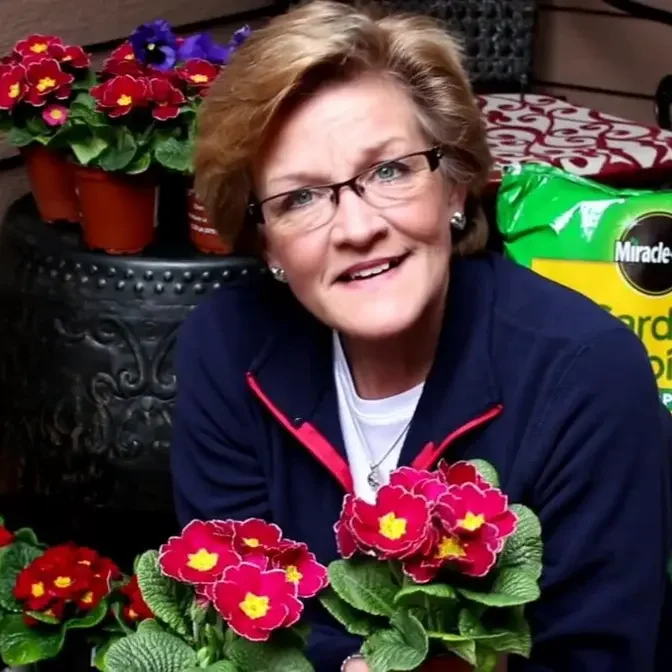
you as well you'll notice also right behind me we just got our first shipment of primroses
so that's a definite sign that spring is right around the corner we've been selling them like
crazy over the last couple of days so visit your nurseries they're starting to already get in some
of their late winter early spring flowers such as primroses and pansies and of course hellebores
my personal favorite we just got another new shipment in just this past week all right you
guys hopefully you are having a good winter late winter I hope the weather hasn't been too severe
where you live and if it has bless you hopefully it'll get better soon
meanwhile we'll talk soon and see you next week bye for now