
March Early Spring Bloomers/Garden Style nw
58 Video Views·Mar 27, 2019
Early Spring Bloomers you can plant now! Check out some new plants for sunny or shady areas that will give you blooms in the early spring and keep their leaves year round.
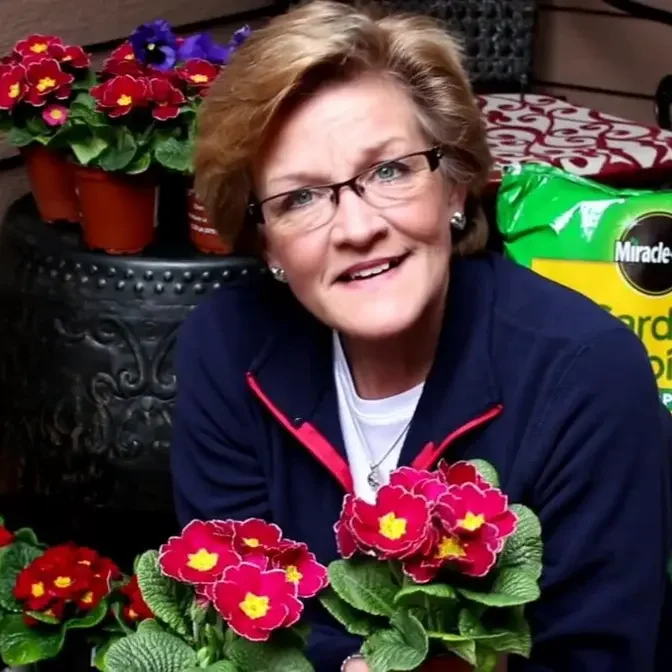
Host and nursery owner Debbie Cassidy
Garden Style nw
Gardenstylenw.com
[email protected]
Hi everybody, Debbie with Garden Style here. So today I thought I would cover
some early spring blooming plants that I'm sure a lot of you are anxious to
either hear about or get started on. So I'm gonna have a selection here of
plants that are for the shade and I also selected some for the Sun. And the first
one I'm gonna start with is this little guy right here. Get him out of here in
front of me. And this is called a forsythia. And a lot of you may have
seen these in bloom already in your neighborhood and wondering what they are
or some of you may already know what they are. But forsythias are probably the
first, one of the first shrubs to start blooming in the very early spring. And I
use these kind of as my marker as well to tell me that as soon as I see these
starting to bloom it's probably time for me to get out and prune. And that's
probably the easiest way to remember it. When the forsythia blooms it's time to
prune. And it's kind of my signal to get out and start trimming up my rose bushes,
lots of trees and shrubs that aren't blooming currently or do not bloom here
in the early spring but bloom later on in season. And that way you're assured of
not cutting off blooms that are getting ready to open at least in the next five
to six weeks. So forsythias primarily come in yellow and they're a pretty good
size shrub. I have one growing already over here in my sun garden. They do
prefer full sun. And the average size of these can get about five feet tall to
four feet wide. And their hardiness zones are from zone five to eight or minus 20
degrees to ten degrees. But I absolutely love these shrubs as they start to bloom
at the time of the year when we really are hungry for some color. And they just
get coated in them as you can see here. And I'm not planting this guy in my
yard but I brought him from the nursery just so I could introduce him to you.
They make a fabulous shrub and one thing I really like to do is start cutting the
stems before the buds actually start to open. And you can cut them and put them
in the vase and bring them inside. And I'll actually force them to bloom a
little sooner. And you can enjoy some of those blooms inside as well as outside.
So that's kind of a fun little thing to do. And you can also do it with cherry
trees, plum trees. Just start trimming the twigs before they're fully open like you
see this one here at the top. And just bring them inside and just because
they're in the warm temperatures that will help those buds to open up sooner.
And you can enjoy flowers inside as well as out in your garden. So definitely
want to introduce the forsythia to you. And I have it spelled out for you down
there at the bottom so you can see how to spell it. But if you don't own one of
these you should have at least one in your yard just because they are an early
bloomer and they're just fun. They're a lot of fun to play with and they
certainly add a lot of brightness to the early spring garden when nothing else is
blooming yet. So there's your first introduction. Okay he's got a little
weight to him. The other plant I want to introduce you to is called lithodora.
And this particular variety is called lithodora grace ward. And this is
actually a ground cover and they don't get much higher than 24 inches. And you
space them about 6 to 12 inches apart. And in about two years they'll have the
entire area covered. And they sit low which is nice. And what I have done
before is I have combined the yellow forsythia, if I can get them over here, here
with the lithodora. And of course the blue and the yellow really accent each
other. And the cool thing is is they both start to bloom right about the same time.
Sometimes the lithodora will bloom a little later than the forsythia. But
either way they make a nice combination together. They both take full sun. And
this guy's pretty hardy. The lithodoras are good down to minus 20 degrees which
is great. And here on this tag it says it blooms in late spring. But I'm already
seeing mine starting to bloom here in the yard now. I think it all depends on
the temperature and of course the light. How much light they're getting. So this
lovely little ground cover is also an evergreen. So it doesn't lose its leaves
during the wintertime. And they just offer these beautiful blue blooms. And I
find they hang on for a long time. Probably about six to eight weeks. I have
seen mine stay in bloom. And then you have the nice evergreen foliage to help
cover that space for the rest of the season. But what a beautiful flower. And
I've seen these also in a blue and a white kind of variegated flower. So get
out in your nurseries and go hunt these down. This makes an excellent ground
cover and they're just beautiful underneath flowering shrubs like
forsythia for example. And of course full sun. These also require really good
drainage. So they don't like having their feet too wet. So when you do go to plant
them, make sure it's kind of a sandy loam that you're putting them into. And
they will reward you with blooms year after year after year. And I find after
a while if I go and trim the edges when their blooms stop, that helps it to bush
out, fluff out. And they won't get so leggy in a couple of years when they've
been in the ground for a while. So Lithodora Grace Ward. Excellent little
ground cover for full sun. And the next one I'm going to show you, this is called
Candy Tuft. And a lot of you may have seen this in bloom in your neighborhoods. I
see it all over the place. Some people get it confused with alyssum, which is
actually more of an annual than it is a perennial shrub. That's kind of what I
call this, a perennial shrublet. As this doesn't get very high either. This can be
a very good ground cover. And they will only get maybe 24 to 30 inches high and
about 36 inches wide. So this is something else that's great for covering
the ground in the lower areas like in the front of your borders. And of course
they stand out. They're amazing the way they stand out. And they're not too
fussy about light. I find they do well in full sun and they do well in the shade.
They just aren't too fussy that way. I know they're real anxious to get
blooming in the early spring. And this is another great bloomer to put with the
forsythia or the lithodora if you're looking for some other colors. And I
always like having white out in the garden as it gives the eye a place to
rest within the landscape by not having so much obnoxious color going on. The
white helps to calm that down a little bit. And needless to say it goes with
everything. And as you can see they just get covered in blooms. And again this is
another ground cover or shrublet as you would call it that stays in bloom for a
good five to six weeks before it's done. And it's evergreen. So it holds on to
its green leaves and they just make beautiful little mounds in the front of
your beds. And they're beautiful with bulbs too. I love mixing these with
tulips and daffodils in the early spring just to give us that extra shot of
spring color that we're all desperate for. Now did I cover the hardiness? Yeah
this is really hardy down to minus 30 to 20 degrees. And it's also very drought
tolerant once it's established. So it doesn't require a lot of water once it
gets where it's in. Of course don't give it plenty of water during its first year
So another real pretty ground cover that's very versatile either in the shade
or the sun. There's not too particular. Not too fussy. These also have a tendency
to be deer resistant which is great. And of course hummingbirds love them. The
butterflies love them. So just a great addition to your garden. Just kind of a
staple type of shrublet that you want to put in your yard. So candy tuft. Now this
is a new variety of candy tuft. It's not currently in bloom right now but I will
shoot a picture down at the bottom to show you when it gets in full bloom. But
look how cute and neat the little tuft is. And this is kind of a newer variety.
A lot of folks don't know that candy tuft can come in pink as well. So it'll
look just like the white one that I showed you only it comes in a real light
pink. And the leaves are slightly different too. They're a little bit
smaller which gives it this compact shape. And just cute all by itself. It
doesn't even need to bloom and it's cute. And again not real fussy. And they
call this variety pink ice candy tuft. And let's see. It's not quite as hardy as
the white one. This is hardy down to zero degrees. But again it's still drought
tolerant. Long blooming. And it will probably repeat its bloom also in the
fall. I think a lot of it has to do with the light that it's receiving. So that
would be a neat surprise to see these coming to bloom again in the spring. So
let's see if I can give you the botanical name which is Iberis
sempervirens pink ice. And of course I'll have that name down at the bottom for
you as well. But this is a great little addition for us at the nursery. A lot of
folks were surprised to see that it came in pink. And the leaves are slightly
different. Let me hold this one up again so you can kind of see the difference in
the foliage. Hopefully you can. I'm not too far away. But another great addition
to the early spring garden. And this guy's got little buds on him but he's
not quite ready to open up yet. So it might be a good idea for me to just
flash a picture down there so you can get an idea of what they look like. It's
just super cute and I like the name too. Candy tuft. Okay so there's some full sun
to sun or shade. And then I'm gonna move to the shade and I'm gonna pick up this
pretty guy right here. And this is called an Andromeda. It's part of the
Pieris japonica family. And these come in a variety of blooms. And they're almost
like tissue papery type of blooms. But you can get these in white, deep dark
pink, you can get them in shades of off-white, a little bit of yellow. And I
chose this one. I'm a sucker for variegated leaves. But this one has green
and white leaves on it. And you can see it's just coated in blooms. And this
makes an excellent shrub or an excellent addition to the garden for early spring
blooms as well. And this guy, give you a heartiness on him, he is hardy to zones
five and nine. So that's like minus 20 degrees. And his average height would
probably be about four to five feet tall by two to three feet wide. So I have a
row of these that sit in the front of my house. They're dark green and their
blooms are actually a white. And I have another variety similar to this, where
when the blooms are gone and the new growth starts coming up, it'll come up
like a really super bright red. And then gradually fades to a pink and then to a
light green. And then eventually down to where it has this variegated leaves. So
these come in a variety of shades and colors. And they basically have four
seasons of interest to them. Not only do they bloom in the spring, but their new
growth that comes out can be the opposite color when the leaves are in a
pale pink to just bright fiery red. And then they'll turn to a dark green. And of
course they're evergreen, so they hang on to their leaves year-round. And it's
probably just one of the most stunning additions you can put into the garden.
They do prefer shade. They can take some morning sun, but prefer to be in the shade
after about two o'clock in the afternoon so they don't singe their leaves. But what
a fabulous addition. And they're just gorgeous. It's really pretty. So I wanted to
introduce that one to you. And then another guy I was going to introduce to
you here. This is called a variegated Japanese Aurelia, or Afatia japonica.
You'll see it under a couple of different names. And he doesn't bloom,
but I really like the variegation in leaves. And this is a fairly newer
variety that has come out. It's called spiderweb. It also comes with just a dark
green leaf. You could treat these like a houseplant if you wanted to in the
wintertime. They do tend to be a little more tender, so be careful where you
place them. They like shade. So anywhere on the north or the east side of the
house is the perfect place to plant one of these. I have one over here that has
turned into a monster. He's actually three to four feet high. I was gonna look
to see how high this guy gets. This guy can get five to eight feet high, if you
let it. I find they do much better if you trim them every now and then, and
just cut out the center, and it'll start sending out some new branches on it.
What else can I tell you? Of course in the shade, it's hardy down to zone seven,
or zero degrees. So I find they get a little fussy if we get temperatures
right around 20 to 0 degrees. It may injure the leaves a little bit. So that's
why I say just try and put them in a protected spot. I have mine on the north
side of the house, and it actually kind of sits under the eaves, so it doesn't
get zapped too badly. But this was just an interesting variety, and I really like
the variegation, kind of like a spiderweb, which is why they give it that name. But
yeah, Japanese Aurelia, and they come with beautiful golden white variegated leaves,
and white and green, or just solid green leaves. There's a big variety of these
out now. And I know at the nursery, we pulled all of ours in from outside, and
we just brought them inside during the wintertime, and treated them like a
houseplant. And you can do that. You can keep it inside, and treat it like a
houseplant. But just warning you, these have a tendency to be a little more
tender. And if you want to go plant them, and you live in an area where it gets
really cold in the wintertime, just put them in a container that you can bring
inside during the wintertime. That way you can still enjoy this beautiful
variegation, and these gorgeous leaves. It kind of has a little bit of a tropical
feel to it, at the same time. So just wanted to introduce that guy to you.
All right, so that's just a few in my collection today that I wanted to
introduce you to. I'm certainly going to be coming up with a whole lot more, as
we have been absolutely slammed at the nursery the last two to three weeks,
which is why I haven't been able to stay in touch with you. We went from 28
degrees as a day high, in about two weeks, somebody just turned the switch, and we
suddenly went to 80 degrees for about three or four days in a row, here in the
Northwest. So it's like, all of a sudden, spring has arrived. And folks were very
itchy and antsy to get to the nursery and start buying up plants, which has
made us very busy. And needless to say, because of all the snow we had during
the wintertime, a lot of our early deliveries ended up getting pushed back.
So not only were we busy with customers, but we were also busy trying to unload
trucks, two to three a day sometimes, just because everything was running late
and they all just hit us all at once. So, whew, I'm finally able to breathe a
little bit today, spend some time with you guys, start introducing you to some
of these new specimens that we've received in the nursery. A lot of these
aren't real new, they've been around for a long time, but for those of you who are
getting started in the garden, or you just need some more ideas, hopefully this
will help fill some of those voids for you if you're looking for some early
spring color, especially in plants that you know are going to be coming back
year after year. Okay, I may run a little video towards the end here if you guys
want to get an idea of what we're up to at the nursery. It's quickly filling up
as we've been unloading truck after truck. Finally got some new benches in
for our lath house, so I'm excited about that. Can't wait to set them up for
tomorrow. And of course lots of new trees, shrubs, perennials, and things are
starting to bloom here. We've got all our cherry trees in bloom, our plum trees
are starting to bloom, and once that gets started it just isn't gonna quit until
we get well into the summer. So my favorite time of the year is finally
here, and I hope I can spend more time with you guys and start introducing you
to more specimens as I start receiving them in at the nursery. Some new unusual
really cool stuff is starting to come in, as well as some container ideas as we're
finally at that time of the year to start filling up a lot of our empty
containers after we were done cleaning them out, of course. All right you guys, so
that's all I have for you today. Of course if you have any questions or
comments you can leave those in the description box down below, or you can
get a hold of me at GardenStyleNW.com or at my email at GardenStyleNWest
at gmail.com. I hope all of you have had a chance to get out the garden, get your
hands dirty, and I'm hoping to be pushing some more videos your direction with
some more new plants and ideas as we start to get 2019 spring underway.
Finally the snow is gone. All right you guys, talk to you later. Bye for now.