
Early Spring blooming shrubs/Garden Style nw
69 Video Views·Apr 1, 2023
Learn about some unusual Evergreen shrubs and Trees that bloom in spring and have berries in late summer. Perfect for our Northwest climate.
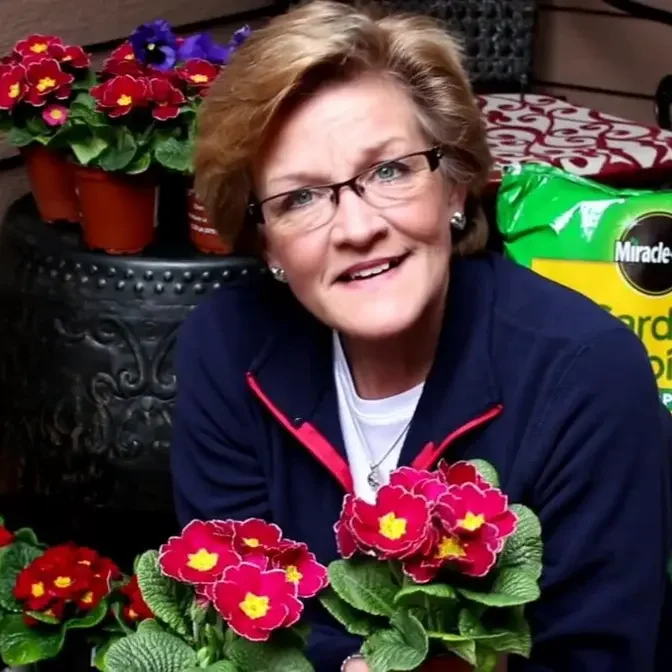
Your host and Nursery owner: Debbie Cassidy
How to advice for the new and advanced gardener.
Zone 8 in the Pacific Northwest
Viburnum tinus compactum "Spring bouquet"
Drimys Lanceolata "Mountain pepper"
Arbutus unedo compacta "Strawberry tree"
Sign up for our Monthly newsletter Sunnycrestnursery.com
[email protected]
Debbie here with Garden Style. So today I thought I would cover two or three early
spring blooming shrubs with you. Some you may be very familiar with and some you
may not. All three of these shrubs that I'm getting ready to cover with you are
very hardy here in our area which is zone 8 and I get a lot of questions as
to where I am talking from. And I'm actually in the nursery today,
Sunnycrest Nursery, and we're actually located in Lake Bay, Washington. And for
those of you who are not familiar with the Washington map, just think of us as
across the water from Seattle. We're actually on the peninsula. So our
temperatures here get cold during the wintertime but not super cold. And most
of these shrubs and most of the plants that I talk about are really good
usually from zone 4 up to zone 9. And I will try and make a habit of covering
that with you with each plant that I cover with you today. So here it is. It's
early spring. We had a beautiful 63 degree day today. Unloaded several trucks.
We're finally starting to get all our plants out on our benches and the place
is filling up fast. So as the plants start to come in, I start coming across
some specimens that I figure you guys might be interested in. And the two or
three I'm talking about today would make excellent foundation plants. And what I
mean by foundation plants is they're evergreen. So they're going to hold their
leaves all year round. And this first one I'm going to talk about right here is
blooming right now. And this is a beautiful shrub. Kind of a light pink
flower and slightly fragrant, which is what I love about it. But this would make
a fantastic hedge plant as well as a specimen plant out in your yard. And this
one is called a spring bouquet loris tenis or a viburnum compactum. And it's
you can see it's just loaded with buds right now. It's just now starting to open.
And what I love most about this shrub is that they're tough. This one here is
hardy down to U.S. state, U.S. zone 7 to 11. So it can actually take more heat and
humidity than most plants. It's hardiness is down to zero degrees. So that's pretty
good for our area. We usually don't get much colder than 15 degrees during the
wintertime. But in the spring, right now, this started putting its buds on
probably at the end of February. And now it's finally starting to open with our
warm temperatures. And you can smell it. It's just a real light, sweet fragrance.
And they're actually really pretty once they go into full bloom. Now this
guy probably gets about six feet tall by six feet wide. So excellent hedge plant. I
mean just fantastic for that. But you can also plant it in a container for two or
three years before moving it out into the yard. Or, you know, have it along a
sidewalk or as a foundation shrub up against the house. And that's what I mean.
A lot of these evergreens are something you would like to put around the edges
of your house so you don't see the foundation itself. And it will hold its
leaves year-round. So it's not like it's gonna drop its leaves during the winter
and all you're looking at is twigs. So yeah, another fantastic shrub, a viburnum.
Compactum is what this is called. And spring bouquet is this particular
variety. And let's see, what else can I tell you about it? It is deer resistant,
which is a good, really good thing. And it'll take partial to full sun. In order
for it to bloom like it should, it should get at least four to five hours of sun.
So wherever you place it, make sure it gets that. And you will get this, where
it gets all these buds and all these blooms on it. So there you go. There's the
first shrub. And then I have a second one here, which is fantastic. This one has
tiny little buds on it. And I took a close-up picture and I'll flip it in
there so you can see what that looks like. This is a fantastic evergreen shrub.
You can see its reddish stems that it has on it. And this is called a pepper
bush or mountain pepper. And this one probably gets about 12 feet high by 8
feet wide. So he looks pretty innocent sitting in this pot right at the moment.
But they can get very tall. But they're gorgeous. They'll get their blooms on
them, little tiny ones. And again, I'll flash a little picture up there so you
can see where this one is at right now. But it starts blooming in the spring and
then it replaces itself with these berries. And the berries, eventually, as
you pick them, you can actually eat them and use them to spice up your dinner,
which is why it's called a mountain pepper. Even its leaves can be eaten and
it has a peppery type taste to it. So you can harvest this plant later on once
its berries are done. And you can use them as a pepper replacement if you want
to, to add extra spice to any of your dishes. So what a neat way to go putting
in a foundation plant and be able to eat it too. So I always love that when a plant
has a multiple purpose like that. Now the cool thing with these plants is
they actually originated in Australia. That's where they're native. But they do
quite well here in our climate. In fact, it's hardy down to zero degrees as well.
Seven to ten. So it can take a little bit warmer temperatures as well. And again,
you know, it gets pretty good size. So wherever you're going to put it, make
sure you allow it some room to spread. What else can I tell you? Again, full to
partial sun. And in order for you to get really good fruiting on it, so you get a
lot of berries on it, you do need to have a male and a female in order for it to
produce berries. So it's that type of a plant. And we like to carry both here in
the nursery. So you get one, try and get another one. So you can make sure it
gets pollinated properly and you'll get the little pepper berries later on. But I
love these shrubs, if nothing else, for the red stems on them. They hold their
leaves and they just have a really neat shape to them. Really, really pretty. I apologize if
there's some extra noise in the background. I have traffic going by. I was
trying to find a quiet spot. It's hard to do when you're outside. So anyway, yeah,
mountain peppers originated from Australia. These type of plants usually
start blooming about late winter to early spring. And we've had a very cold
spring this year. So he's actually a little late. But I am seeing some buds on
him. So that's a hopeful thing for sure. So there you go. Another great specimen
foundation plant for you to try in your own yard. Now this next plant is not
really a shrub. It's more, it's called a strawberry tree. And he's pretty good
sized in here. I don't know if you guys have ever seen a strawberry tree before.
But again, it's another one that's an evergreen. It'll start blooming in the
late winter, early spring. And then it gets these really cool fruits on them.
And I'll flash some more pictures up there so you can see what it looks like.
And they actually look like strawberries. So strawberry tree, let me give you the
botanical name for it, which is an Arbutus compacta. And this particular
plant will get eight feet tall by six feet wide. So they actually consider this
a dwarf strawberry tree. Beautiful plant. It's also hardy from zone seven to nine.
Average size is six to eight feet tall, about five to six feet wide. In about ten
years it might get slightly bigger than that. But you can always keep them trimmed.
And that keeps them really compact and bushy as well. Let's see, what else can I
tell you? This is also deer resistant. The strawberry type fruits are actually
very decorative on the shrub. But I wouldn't recommend eating them. It says
nowhere on here that they're actually edible. So I wouldn't recommend eating
them. But they are pretty cool when they start to show up. So there's three
varieties for you. Three specimens for you to try. Something we have in stock
here at the nursery. We try to keep them in stock at least through May. As you
know, this is the perfect time of the year to start putting in your trees and
your shrubs. So I saw these specimens today and I was like, hey, now there's a
neat subject to cover here in my video. Just to introduce you to some new plants
to try. Okay, not sure what I'm gonna cover in my next video. We're getting a
ton of perennials in right now. And I'm seeing some really neat specimens
starting to show up. So I hope to cover some of those with you in my next video.
I, of course, am always encouraging suggestions or anything you would like
for me to talk about. Had a gal ask me about the differences between compost
and mulch. So that might be a subject that I'll talk about in my next video. As
that's what we're doing right now. We're all very busy getting the compost and
the mulch into our beds and getting everything ready for spring. So that
might be a really neat subject to cover in my next video. So if you're just
getting started with a brand new yard, here's three samples for you for you to
get started to find places for. And all of them are pretty easy. They're not too
fussy. They're super easy to take care of once they're established. And, of course,
as with any new plant, you want to make sure they stay well watered during their
first year. And then after that, just step back and watch them grow. Okay, any
of you want to sign up for our email, you can sign up at our website at
SunnyCrestNursery.com. And, of course, if you find this information really useful, by
all means, share it with your neighbors, your friends. And, of course, hit that like
button so that we can get this video out there and get this information out to
all the gardeners out there in YouTube land. Okay, you guys, hope y'all are
getting your hands dirty out there. I know I am. And bring on spring. It's here.
All right, we'll talk to you soon. Bye for now.