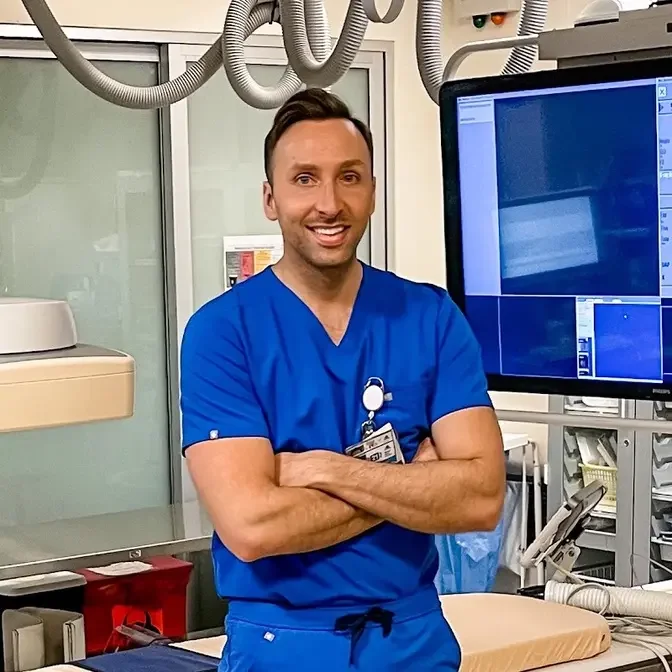
There are many new interns and medical students entering their respective hospitals for the very first time. Starting work in the hospital and figuring out the work flow is extremely hard and very stressful. There are a lot of unwritten rules in the hospital that you sometimes have to figure out or learn the hard way. I'm hoping this video helps you all out and gives you a heads up when first starting out!
I'd love to hear other rules that my fellow medical colleagues follow. Please comment below!
What are we doing here people? It doesn't make any sense. Like who wants to see an unhealthy doctor?
How hypocritical is that? Welcome back to the channel everybody. Today we are going to be
talking about the unwritten rules of the hospital. Little juicy stuff that no one ever talks about,
but we are going to talk about today because many people are starting their first time in
the hospital. Whether it be a new third year medical student starting their clinical rotations
or a freshly minted doctor starting their intern year. And since these people are going in the
let's talk about the unwritten rules that you either have to learn on your own the hard way
or you just watch this video and you know what to expect before you're in the hospital. Let's go.
All right. So unwritten rule number one, which could it be the most important rule of all?
It might be. And that is to always, always respect your nurses. Now I know there are a lot of people
who have probably heard this, especially in med school. The nurses in your hospital can make or
break you. When you are a freshly minted med student working in the hospital for the first
time or a freshly minted doctor as an intern, your nurses will make or break your time there.
And what I mean by that is some of these nurses have been there 10, 20, 30 years. They've seen
the same interns come in year after year, thinking they're hot, thinking they're, you know,
they know everything in the hospital. And these nurses, they're seasoned nurses. They know exactly
what's going on in the hospital. They know how to take care of these patients. They've seen the
same type of patients over and over again. And you should treat them with the respect that they
have earned. If you don't treat them with respect, like you should everybody, but especially the
nurses, you will pay for it in the long run. What I mean by that is I had some co-interns and
co-residents along my way who thought they were, you know, tough, big, bad doctors in the hospital.
They ran things now, not so much. They were putting their place pretty quickly. And what happens is
the nurses will bother you constantly. They will page you incessantly for dumb things because they
want to mess with you. If you want to get sleep at night from working an overnight shift, but you're
kind of an you-know-what to the nurses, they're going to wake you up all night. They're going to
wake you up at 3am for a diet order or 3am, can you please cancel this order? This is what happens.
They mess with you and you're going to pay for it. So just be nice. I can't believe I have to say this,
but be nice and be respectful to your nurses. They can teach you so much if you just give them the
time. And keep in mind, the more mutual respect you all have with each other, the more likely you are to
help each other when you need it. That comes in handy so many times. If you need a quick blood
draw, if you need a quick medication, you need help with an NG tube, you need an NG tube place,
they're more likely to just do it to help you out if they see that you're busy versus if you treat
them poorly. They're just going to make your time there a little tougher. So just be nice to them and
treat the nurses with respect. I promise you it'll work out in your favor. And while we're on the
topic of respecting your staff, especially the nurses, you also, I can't believe I have to say this,
you should respect all the ancillary staff as well. And who I mean by that is the technologists,
whether it be the EKG tech that comes in to do an EKG on your patient, the nurse assistants who are
worth their weight in gold, the radiology tech, and especially the custodial staff. I think it speaks
to volume when providers get to know the custodial staff and the nursing assistants because they're
part of the team too. They do a lot of work behind the scenes to help patients, trust me. And if you're
nice to them, they'll be nice to you. For example, if you go into a room and help a nursing assistant
move a patient or help them clean up a patient, they will respect you so much and they will help
you further on down the road if you need it. I promise. Same goes with custodial staff. I can't
tell you how many times they've just been like, no, don't worry doc, I'll take it from here when
they didn't have to. It's just treat people with respect and you get respect back. It's that easy.
The next unwritten rule of the hospital is to always load the boat, especially when you're
first starting out as an intern. I used to hear this phrase so often, load the boat. Whenever
you're in trouble, load the boat. Didn't really know what that meant until I started intern year.
And basically what that means is anytime something happens or even when you're starting to feel like
you're getting in over your head, call people senior to you, load the boat, make sure they're
aware of the patient because a patient can decompensate like that if you don't act quickly.
So for the people just starting out and just learning how to operate and manage patients in
the hospital, it's better to go ahead and call your seniors so that they are on board before
something happens. It's basically a way of saying be proactive instead of reactive. And there is
kind of like another unwritten thing in the hospital where you don't want to ask for help
too often because then your seniors will think that you don't know what you're talking about.
But it's better to ask for help than let your ego get in the way. And that's the important takeaway.
The next unwritten rule of the hospital is that patients always come first. I don't care if you
had a lunch break from 12 p.m. to 1 p.m. and you're gonna miss it now because your patient
isn't doing well. I don't care. Your patient comes first. I don't care if you had an important date
at 6 30 p.m. your shift ends at 6 and your patient started doing poorly at 5 50 and you have to stay
late. I don't care. The patient always comes first. This is what we kind of signed up for and we knew
going into this that this would happen and that's what you got to do. You have to take care of your
patient. They are the number one priority while you're on shift. The next unwritten rule of the
hospital is to never leave something for the oncoming shift. I see this a lot. You kind of
wait. Postpone things throughout the day. Maybe the patient needs to be transported to CT towards
the end of your shift and you're trying to like put it off so that the next shift has to do it.
Maybe they need a central line and you don't want to do it or don't feel comfortable doing it so you
put it on to the night shift or whatever shift is coming on after you. That's no no that's that's no
good. You should always take care of things on your shift during your shift and if it's even
getting close to the end of your shift you should stay late to take care of said thing. My whole
thing especially with people coming on to the night shifts you never want to leave stuff for
the night shift. The night shift is just supposed to come on board. There's minimal people overnight.
You don't want to rock the boat. It's basically just to keep things status quo until the morning
shift comes around. All the people in the hospital come in and you get things going again. You don't
want to be messing with things and getting into issues and having patients not do well overnight
if you can help it. You want to take care of everything during the day because that's the
normal operating hours. So never leave stuff for the oncoming shift. Take care of everything before
the next shift gets in or stay late if you have to. The next unwritten rule of the hospital or this is
more of a written rule of the hospital and that is to always protect yourself because your safety
is of utmost importance. I think it's easy once you get used to being in the hospital to kind of
not wear gloves, not wear a face shield, not wear a mask when you need to and you shouldn't get used
to not protecting yourself because your protection is the most important thing. If you're doing
anything that requires blood draw, wear gloves, wear a mask, wear eye protection. I can't tell you how
many times I've either seen or almost seen people stab themselves with a needle when they didn't
have gloves on or drawing blood when they didn't have gloves on and get blood all over their hands.
You'll see a lot of the seasoned veteran providers and nurses they don't really care but especially
as someone who's new in the hospital you should really take these things serious. I personally
since I work with a lot of bodily fluids, intravascular procedure, blood going here, blood
going there, I always wear eye protection, mask obviously and gloves because you should. Especially
if you're a new med student and intern where you're not used to kind of using needles and all
this stuff, it is so important for you to protect yourself. The next unwritten rule of the hospital
is to always clean up after yourself just like your mother told you. Now as providers, physicians,
med students, everybody working in the hospital, we have our own separate work rooms that we do
all of our charting, all of our notes, all of our paperwork, all of our orders, talk about things,
all that stuff and the work rooms can become very messy over time because a lot of people don't
treat it like they would their home. They're like, oh it's just a hospital, I don't have to clean up
after myself, but you do and a clean workspace is everything. You should really treat it like
your own home. Clean up after yourself. If you eat in that room, you share with other people,
you should clean up after yourself and again, I know this goes without saying, but you should
see some of the work rooms that I've lived and worked in in the hospital. Especially during
intern year, you have like eight people in one room with six, seven, eight, ten computers in there,
everybody eating lunch every day, everybody bringing bandages, medical supplies here,
throwing sutures, it just gets clustered, everything's scattered, there's food that's
in there for who knows how long and the infamous thing I always see is that there are like packets
of sauce from a cafeteria or some other outside source and who knows how long they've been there,
stay there for like years. So clean up after yourself in the work room, please. The next
unwritten rule in the hospital is to always help out one of your colleagues. So this is kind of
like non-specific, but I'll give you an example. So when I was an intern, there were two overnight
interns covering about, I don't know, 15, 20 patients each on surgery. If one intern had a
patient not doing well, let's say that patient coded and they were completely busy the whole
night, it's kind of like the unwritten rule to help out that other intern if any of their other
patients need anything while they were managing that code because it takes up all of your time.
They can't leave that code when a patient's not doing well to go do something for another patient.
The kind of unwritten rule is to always help them out and they will be greatly appreciated of this
and also if the same thing happens to you and they help you, it's kind of like a quid pro quo
kind of thing. You help them, they help you because it's a team environment. This is what
people don't understand sometimes. Taking care of this many patients in the hospital when you're
first starting out especially, it's a team sport. Help each other and it makes your life so much
easier and less stressful. The next unwritten rule of the hospital is to treat every single patient
like you would one of your family members. It's a good way to kind of keep things in perspective
because it's easy to kind of disconnect or disassociate yourself from that patient personally
so treat them like you would one of your family members and you'll give them the best care that
you can possibly give. Alright, the next unwritten rule of the hospital is to dress well and just look
presentable while you're at the hospital. Now I know what you're gonna say, Michael I was up all
night on call, I got no sleep, how am I supposed to do my hair, how am I supposed to, what do you,
just take a shower, do your hair, look presentable. It's not that hard. No patient wants to see a
doctor come into their room looking like they, you know, were just in a wind tunnel with their eyes
like bugging, their hair is unkempt, all skew or like looks like they're like sleeping on one side
of their head. Just look presentable for your patients. It's that simple. It sounds so much
easier than it is because trust me, I've done these long stretches of call and it's hard to
kind of get yourself together but I think it's important and you have to look presentable for
your patients because it's, they're trusting you with their life so they want to have someone
who looks presentable and is trustworthy, not someone with bed head and, you know, non-iron
clothes or something. The next unwritten rule, well it's not really an unwritten rule of the hospital
but I'll tell you anyways because it kind of bothers me a little bit and that is to practice
what you preach. If you are a physician and you're telling your patients to live a healthy lifestyle,
you yourself should also live a healthy lifestyle. I can't tell you how many times I've gone out of
the hospital and seen like a cardiothoracic surgeon smoking a cigarette on the street. Like
what are we doing here people? How could you treat lung cancer and coronary artery disease and then
go outside and smoke a cigarette? Like how hypocritical is that? Practice what you preach
and your patients will respect you for that. Nobody wants to see a super unhealthy doctor
and it doesn't make any sense. Like who wants to see an unhealthy doctor? Just take care of yourself,
practice what you preach. The next unwritten rule of the hospital is to always be on time,
especially if you work in shift work, your shift ends at 6 p.m, you work 6 a.m to 6 p.m,
the next shift goes 6 p.m to 6 a.m. If you are not on time to your shift, that means the person
who's already been there for 12 hours for example has to sit there for another 30 minutes, an hour,
until you get there. It also means their sign out will be later and everything gets pushed back and
sometimes they don't get paid for that extra time being on the shift. So be on time for your shift,
I promise you your colleagues will love you for it. Actually don't be on time, be early. Be early
to everything, that's a good rule of thumb. If you're on time, you're late. The last rule I will
leave with you is kind of a joke but it's still a good rule of the hospital and that is do not
switch the rectal and oral thermometer probes. Good rule of thumb. So that concludes all of the
unwritten rules of the hospital. Please, I know you all have plenty of unwritten rules of your own
or at your hospitals. I want you to please leave them in the comments below. I'm curious to see
what everybody does at their unique hospitals or what other unwritten rules they have. So comment
below with them. As always keep it nice and civil in the comments as well. Keep in mind we all work
together so no need to get angry or be mean to one another. Make sure you smash that like and
subscribe button. Follow me on Instagram and TikTok. I'll be posting stuff on TikTok in the
near future and I'll see you all on the next video. Peace!