
Peter the Great
Peter the Great
Peter the Great (1672–1725), Peter I, was Tsar of Russia from 1682 and the first Emperor of All Russia from 1721 until his death. Crowned as a boy, he took full control of the government in the 1690s. The turning point of his life was the Grand Embassy of 1697–1698, when he traveled through Western Europe, studying shipbuilding first-hand in the dockyards of the Netherlands and England. Returning home, he set out to modernize Russia: he built its first regular navy, reorganized the army, introduced the Table of Ranks to reward merit in state service, reformed the calendar and the alphabet, and founded schools of mathematics and navigation. In 1703 he founded Saint Petersburg, which became the capital, and victory over Sweden in the Great Northern War gave Russia access to the Baltic Sea. His reforms made Russia a major European power.
Latest UpdatesLIVE


Monarchs of the Age of Absolutism
Louis XIV, the Sun King, ruled France for 72 years and made his court at Versailles a model for monarchs across Europe. Peter the Great modernized Russia on Western lines and founded Saint Petersburg. In the eighteenth century, Frederick the Great of Prussia and Catherine the Great of Russia, both correspondents of Voltaire, became the best-known examples of enlightened absolutism.

 74 followers


Modernizers and Nation-Builders
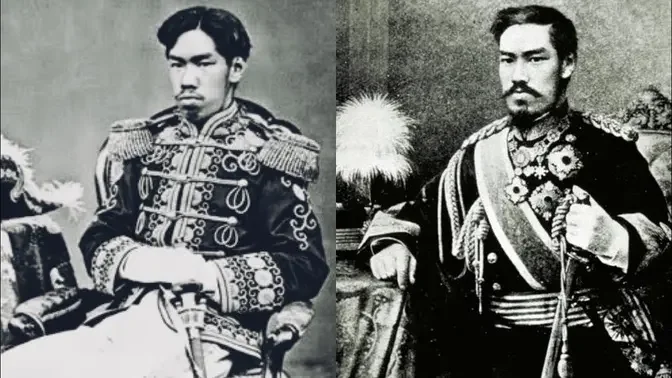
Peter the Great reformed Russia's government, army and customs on Western models. Otto von Bismarck guided the unification of Germany in 1871 and became its first chancellor, and Emperor Meiji presided over Japan's rapid transformation into a modern industrial state after 1868. Mustafa Kemal Atatürk founded the Republic of Turkey in 1923 and reshaped its laws, schools and alphabet.
 70 followers
 70 followers


