Neoclassical Sculpture
Neoclassical Sculpture
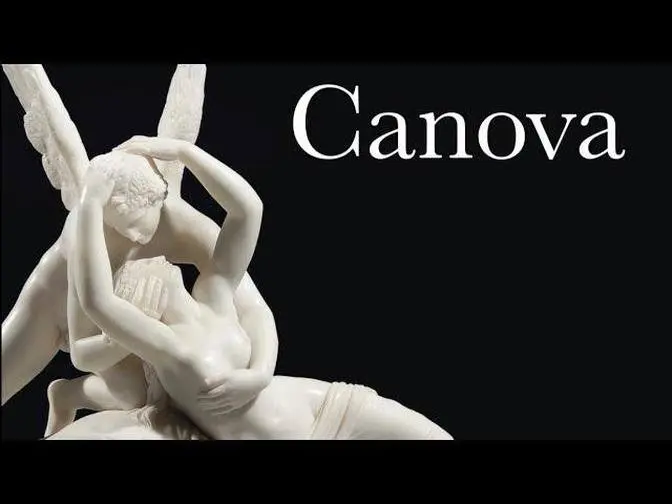
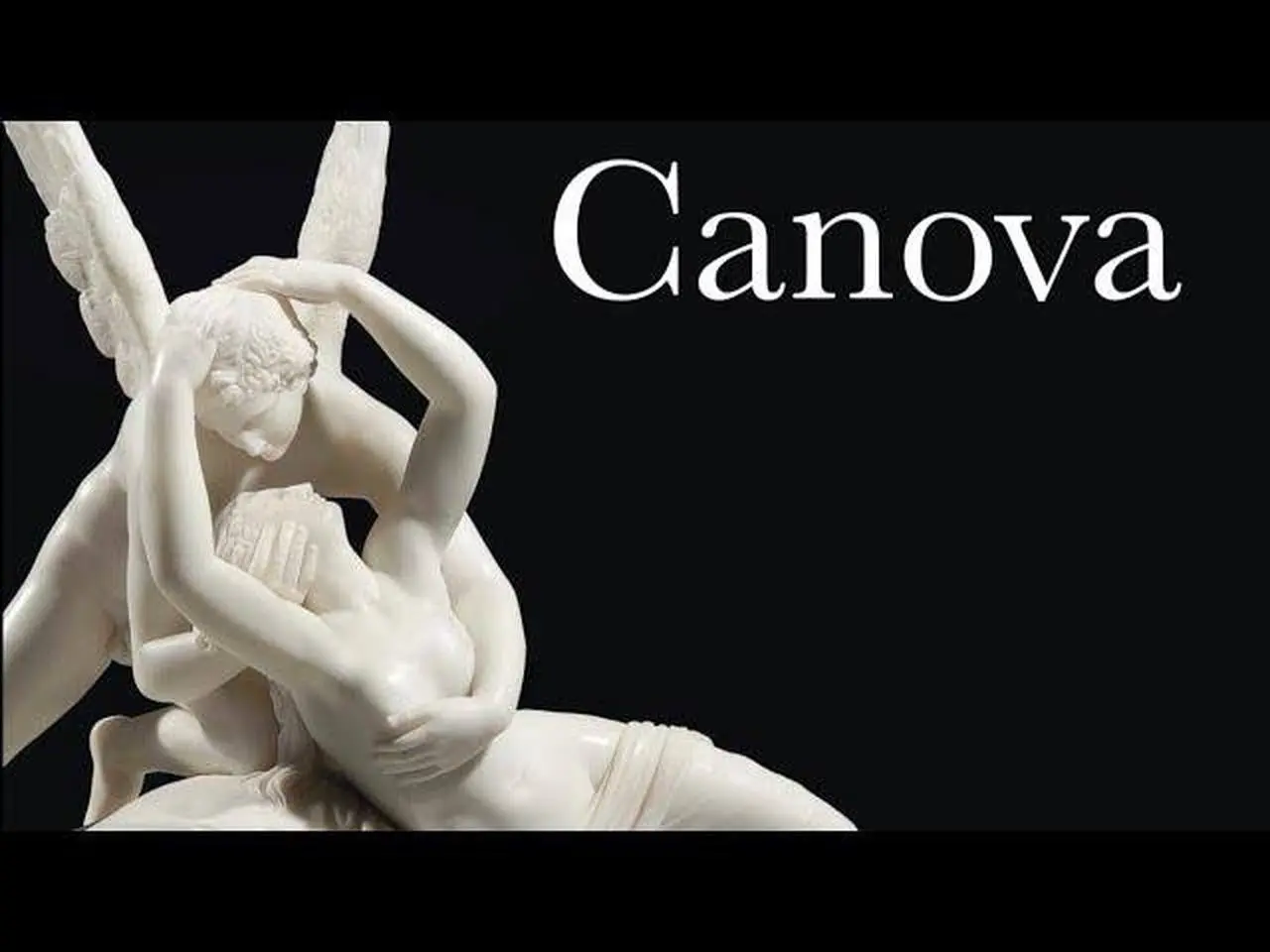
Neoclassical Sculpture developed in the late eighteenth and early nineteenth centuries through renewed study of ancient Greek and Roman art. Sculptors sought composed poses, clear contours and carefully ordered groups, applying these concerns to mythology, portraiture, memorials and funerary monuments. Antonio Canova's marbles combine idealised figures with attentive treatment of movement and surface, while his clay models reveal the experimentation behind their finished appearance. Classical subjects provided forms through which patrons could express remembrance, virtue and cultural learning. The tradition did not simply copy antiquity: artists adapted ancient examples to new commissions, balancing inherited models with individual approaches to expression, material and composition.




View All
All featured content under Neoclassical Sculpture