
Emperor Meiji
Emperor Meiji
Emperor Meiji (1852–1912), personal name Mutsuhito, was the 122nd Emperor of Japan, reigning from 1867 until his death. He came to the throne at 14, and in 1868 the Meiji Restoration returned governing authority to the imperial court after more than two and a half centuries of rule by the Tokugawa shoguns. That year he issued the Charter Oath, which pledged that knowledge would be sought throughout the world, and the capital moved to Tokyo. During his reign Japan built railways, telegraph lines, modern industry and a national school system, and in 1889 adopted the Meiji Constitution, the country's first modern constitution. The Imperial Rescript on Education of 1890 emphasized filial piety, loyalty and Confucian virtues. A devoted poet, he composed about 100,000 waka. Meiji Jingu in Tokyo, one of Japan's most visited shrines, is dedicated to him and Empress Shōken.
Latest UpdatesLIVE


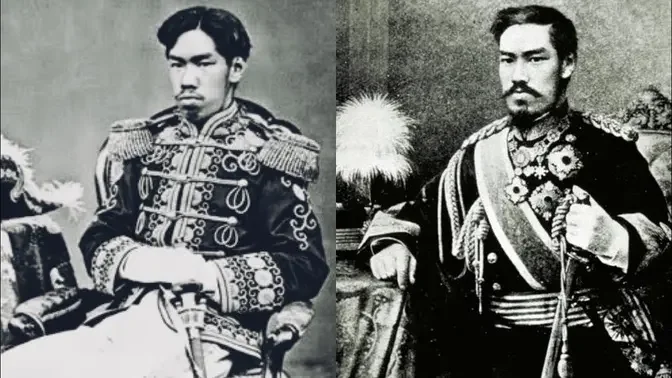


Modernizers and Nation-Builders
Peter the Great reformed Russia's government, army and customs on Western models. Otto von Bismarck guided the unification of Germany in 1871 and became its first chancellor, and Emperor Meiji presided over Japan's rapid transformation into a modern industrial state after 1868. Mustafa Kemal Atatürk founded the Republic of Turkey in 1923 and reshaped its laws, schools and alphabet.

 45 followers
 45 followers


