

Can Workforce Productivity Create A Stronger Future for Every Business?


Every organization dreams of achieving steady growth while maintaining employee satisfaction and operational excellence. Reaching that balance requires more than hard work alone. It depends on creating an environment where people, technology, and processes work together efficiently. Workforce productivity plays an important role in helping businesses achieve this balance by encouraging smarter planning, improved communication, and consistent performance. Rather than focusing only on speed, modern organizations emphasize quality, adaptability, and continuous improvement to remain competitive in an ever-changing marketplace.
Why Smart Work Creates Greater Value?
Success is rarely the result of working longer hours. Instead, it comes from understanding how every activity contributes to larger organizational objectives. Teams that clearly understand priorities spend less time on unnecessary tasks and more time delivering meaningful results.
Effective planning helps reduce delays, minimize confusion, and improve collaboration across departments. Employees become more confident when responsibilities are clearly defined, allowing projects to move forward smoothly without unnecessary interruptions.
Organizations that regularly review workflows also identify opportunities to eliminate repetitive activities, automate routine processes, and allocate resources more efficiently. Small operational improvements often produce significant long-term benefits.
Building a Culture That Encourages Progress
A positive workplace culture influences how people approach their responsibilities every day. Employees who feel respected, supported, and trusted are generally more motivated to contribute their best efforts.
Open communication creates stronger relationships between leaders and team members. Regular discussions about expectations, achievements, and challenges encourage transparency while reducing misunderstandings. Understanding productivity vs efficiency also helps teams communicate more effectively by focusing on both achieving meaningful results and using available resources wisely.
Recognition also plays a meaningful role in maintaining enthusiasm. Celebrating accomplishments, whether large or small, reinforces positive behaviors and inspires continued commitment. When appreciation becomes part of daily operations, organizations often experience stronger engagement and greater organizational stability.
Technology as a Business Enabler

Modern digital solutions have transformed the way organizations manage daily operations. Instead of relying on manual processes, businesses now use intelligent platforms that simplify communication, organize information, and improve coordination.
Automation reduces repetitive administrative work, allowing employees to dedicate more attention to creative thinking, customer service, and strategic initiatives. Real-time information enables managers to monitor progress, identify bottlenecks, and make informed decisions without unnecessary delays.
Cloud-based collaboration tools also support hybrid and remote teams by providing secure access to important documents, project updates, and communication channels regardless of location.
Continuous Learning Drives Better Performance
Organizations grow when employees continue developing their skills. Learning opportunities help individuals adapt to changing technologies, evolving customer expectations, and new business challenges while strengthening a positive feedback culture that encourages continuous improvement.
Professional development may include workshops, online courses, mentoring programs, cross-functional projects, or leadership training. These experiences improve confidence while expanding practical knowledge that benefits the entire organization, creating an environment where ongoing learning and constructive feedback support long-term success.
Learning also encourages innovation. Employees exposed to new ideas often discover creative solutions for existing challenges, helping businesses improve efficiency while maintaining flexibility in competitive markets.
Measuring Progress Beyond Traditional Numbers
Business success cannot always be measured through output alone. Modern organizations increasingly evaluate multiple indicators that reflect operational health and employee development.
Project completion quality, collaboration effectiveness, customer satisfaction, process improvements, and innovation all provide valuable insights into organizational performance. These broader measurements encourage balanced decision-making rather than focusing exclusively on numerical targets.
Regular performance reviews also create opportunities to identify strengths, address obstacles, and establish realistic goals that support continuous improvement across every department.
Leadership Shapes Organizational Success
Strong leadership influences every aspect of business performance. Leaders who communicate clearly, provide guidance, and encourage collaboration create environments where employees feel comfortable sharing ideas and solving problems together.
Effective managers focus on coaching instead of controlling every activity. They empower team members to make informed decisions while providing support whenever challenges arise.
Organizations with supportive leadership often experience improved morale, stronger teamwork, and greater resilience during periods of change. Consistent guidance builds trust, which ultimately contributes to long-term organizational success.
Creating Sustainable Growth Through Better Decisions
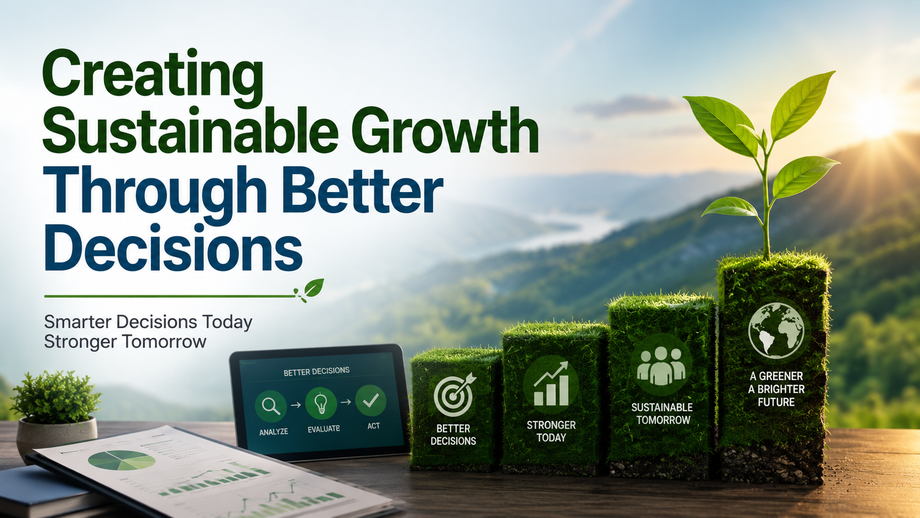
Long-lasting success depends on making thoughtful decisions supported by reliable information. Businesses that regularly evaluate operations can identify patterns, predict future challenges, and respond proactively before small issues become larger problems.
Strategic planning also ensures resources are invested where they create the greatest value. Whether improving customer experiences, strengthening internal processes, or expanding into new markets, informed decisions reduce unnecessary risks while supporting sustainable growth.
Adaptability remains equally important. Organizations willing to adjust strategies based on changing circumstances often maintain stronger competitiveness and greater operational stability over time.
Conclusion
Organizations that prioritize collaboration, learning, innovation, and thoughtful planning create stronger foundations for future success. By encouraging continuous improvement and making informed decisions, businesses become better prepared for changing market demands while supporting employee growth. Ultimately, workforce productivity serves as an important driver of efficiency, resilience, and sustainable organizational excellence.
FAQs
1. Why is employee engagement important for business success?
Engaged employees are generally more motivated, collaborative, and committed to delivering high-quality work, contributing to stronger organizational performance.
2. How does technology improve daily operations?
Digital solutions automate repetitive activities, simplify communication, improve information sharing, and support faster decision-making.
3. Why should organizations invest in employee development?
Continuous learning helps employees build new skills, adapt to industry changes, and contribute innovative ideas that strengthen business performance.
4. What makes effective leadership valuable?
Supportive leaders encourage communication, build trust, guide professional growth, and create environments where teams perform confidently.
5. How can businesses achieve sustainable growth?
Sustainable growth comes from strategic planning, continuous improvement, informed decision-making, efficient resource management, and adaptability to changing business conditions.
Comments