

Can Workforce Analytics Redefine the Future of Business Performance?

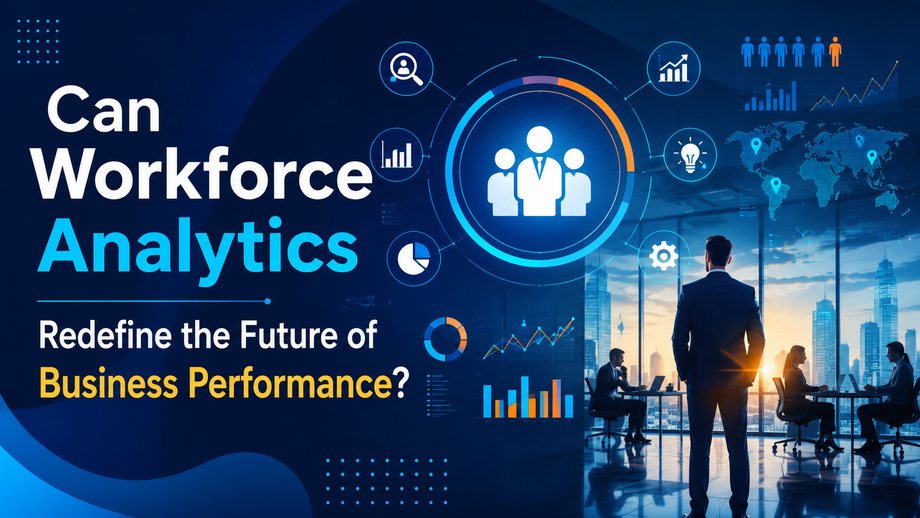
Every successful organization depends on informed decisions rather than assumptions. That is why workforce analytics has become an essential part of modern business strategy. Companies are no longer relying only on experience or intuition when managing employees. Instead, they are learning how meaningful workplace information can reveal hidden opportunities, identify challenges before they grow, and support continuous improvement. When organizations understand patterns behind productivity, collaboration, engagement, and performance, they can build stronger teams while creating an environment where both employees and businesses achieve lasting success.
Looking Beyond Daily Operations
Business leaders often spend considerable time solving immediate problems. While this approach keeps operations moving, it does not always address deeper issues that influence long term performance. Sustainable growth requires understanding why certain outcomes occur rather than simply reacting to them.
Organizations that examine workplace trends gain a broader perspective. They recognize recurring patterns, discover areas where resources are underused, and identify processes that create unnecessary delays. These observations help leaders focus on meaningful improvements instead of temporary solutions.
The ability to evaluate information from multiple business activities creates a stronger foundation for future planning. Rather than making changes based on opinions, leaders can introduce improvements supported by measurable evidence.
Turning Information Into Better Decisions
Every organization collects enormous amounts of workplace information during everyday activities. Attendance records, project completion timelines, collaboration patterns, training participation, and performance results all contribute valuable insights when interpreted correctly.
Instead of viewing these records independently, businesses benefit from understanding how different factors influence one another. A department experiencing declining productivity may also reveal limited communication, insufficient training opportunities, uneven workload distribution, and the need for practical teamwork tips to strengthen collaboration and overall performance.
Connecting these observations allows managers to solve root causes instead of treating symptoms. This approach creates more effective solutions while helping organizations improve efficiency without unnecessary disruption.
Meaningful information transforms routine management into strategic leadership because every improvement becomes more focused and purposeful.
Creating Stronger Employee Experiences
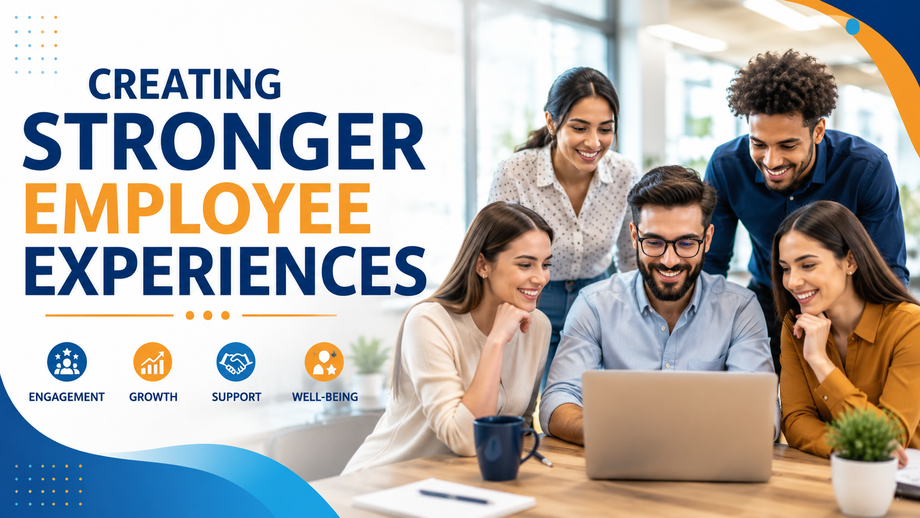
Employees perform better when they feel supported, valued, and equipped with the right resources. Building this environment requires more than occasional conversations or annual evaluations. Leaders need continuous understanding of workplace experiences throughout the employee journey.
Recognizing patterns related to engagement, collaboration, learning, and performance allows organizations to respond before dissatisfaction becomes a larger concern. Employees appreciate workplaces that address challenges proactively instead of waiting until problems become visible.
This supportive approach also strengthens trust between management and employees. When people believe their contributions matter and improvements are based on fairness rather than assumptions, motivation naturally increases.
A positive employee experience often becomes one of the strongest competitive advantages any organization can develop.
Preparing Leaders for Tomorrow
Leadership development should never begin only after a management position becomes vacant. Organizations achieve better continuity by identifying future leaders early and providing opportunities for gradual growth.
Observing consistent performance, adaptability, communication abilities, and problem solving skills helps businesses recognize individuals with leadership potential. These future leaders can participate in mentoring programs, strategic projects, and advanced learning experiences that prepare them for greater responsibilities.
Succession planning becomes more reliable when supported by meaningful workplace insights rather than personal preference alone. This preparation reduces uncertainty while ensuring organizational stability during periods of change.
Developing leaders from within also preserves company culture and strengthens employee confidence in career advancement opportunities.
Improving Organizational Agility
Business environments continue changing because of technological innovation, evolving customer expectations, and economic uncertainty. Organizations that adapt quickly often outperform competitors that struggle to respond.
Understanding workplace patterns allows businesses to recognize emerging challenges before they become significant obstacles. Leaders can apply effective management strategies to adjust staffing, redesign workflows, improve communication, and allocate resources more efficiently, creating a more productive and adaptable workplace.
This flexibility supports continuous improvement without requiring dramatic organizational changes. Small adjustments implemented consistently often produce greater long term results than large disruptive initiatives.
Adaptable organizations remain resilient because they continuously learn from experience while responding confidently to changing business conditions.
Building A Culture Of Continuous Improvement
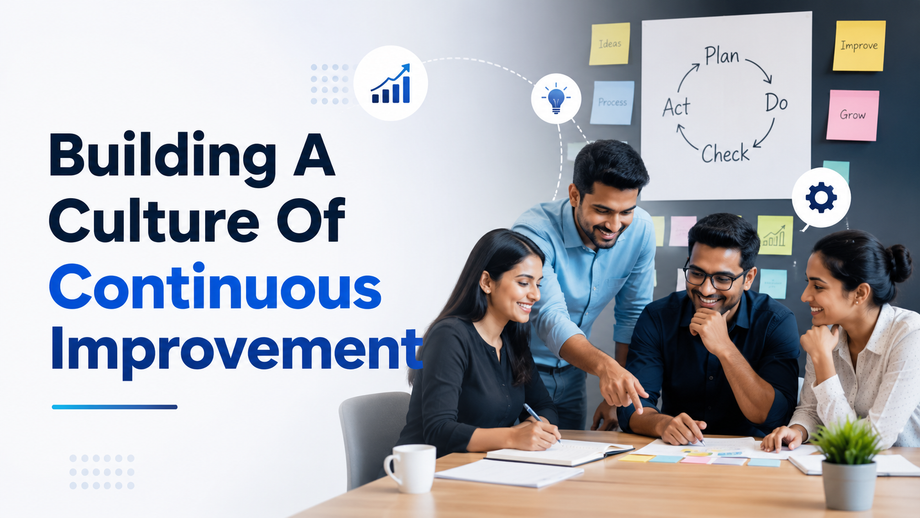
Long-lasting success depends on creating a culture where learning never stops. Organizations that encourage regular evaluation become more capable of identifying opportunities for improvement across every department.
Employees also contribute more confidently when they know their observations influence meaningful change. Open communication combined with measurable workplace understanding creates an environment where innovation becomes part of everyday operations.
Continuous improvement strengthens productivity while reducing unnecessary complexity. Instead of repeating ineffective practices, organizations refine their processes based on real workplace experiences.
This commitment to learning encourages collaboration, supports professional development, and helps businesses remain competitive in rapidly evolving industries.
Conclusion
Modern organizations thrive when every decision is supported by meaningful understanding instead of assumptions. Workforce analytics enables businesses to recognize opportunities, strengthen employee experiences, prepare future leaders, improve operational efficiency, and adapt confidently to changing environments. Organizations that embrace informed decision making today position themselves for greater resilience, stronger collaboration, and sustainable success in the years ahead.
FAQs
Why do organizations rely on workplace insights for decision making?
Organizations use workplace insights to understand operational patterns, improve planning, support employees, and make informed business decisions that encourage sustainable growth.
How can businesses improve employee engagement?
Businesses improve engagement by listening to employees, providing learning opportunities, encouraging collaboration, recognizing achievements, and addressing workplace challenges before they become larger issues.
Why is continuous improvement important for organizations?
Continuous improvement helps businesses refine processes, increase efficiency, strengthen adaptability, reduce unnecessary obstacles, and remain competitive in changing markets.
How does leadership development support long term success?
Developing future leaders ensures smooth transitions, preserves organizational knowledge, strengthens employee confidence, and prepares businesses for future growth opportunities.
Comments