


When mold appears in a rental home, a landlord’s slow response can leave tenants unsure what to do next. Calls may go unanswered, repairs may be delayed, or someone may paint over a stain without finding the moisture source. A clear record can help show what happened, when the landlord learned about it, and whether the problem continued. Tenants do not need to investigate the building themselves. They can preserve ordinary records, make specific written reports, and keep copies of every response and inspection promptly.
Send a Clear Written Notice
The first step is to send a dated written notice to the landlord or property manager. Describe where the mold or dampness appears, when you noticed it, whether it is spreading, and any nearby leak, odor, or damaged surface. Ask for the moisture source to be inspected and repaired, not merely covered. Email or a tenant portal can create a time-stamped record; save screenshots and delivery confirmations. If you spoke by phone, follow up in writing with the date and a summary of the conversation.
Photograph the Condition Carefully
Take clear photographs and videos as soon as it is safe. Capture wide views of the room and close views of stains, bubbling paint, damaged drywall, condensation, or visible water. Record the date and location for each image, and repeat photos if the condition changes. Keep original files rather than edited copies. Do not disturb suspected mold or open walls to collect evidence. A visual timeline can help show whether the condition grew, returned, or remained after a repair visit. Keep the images in date order.
Maintain a Detailed Contact Timeline
Keep a simple timeline of every report, visit, and change in the home. Note when you contacted management, who replied, what they said, when workers arrived, and what work they performed. Save work orders, inspection notices, texts, emails, letters, and receipts for damaged belongings, temporary lodging, or other expenses. After a conversation, send a neutral message confirming what was discussed. This record can help resolve disagreements about notice and delay. Store copies somewhere secure outside the rental unit, such as a personal email account or cloud folder.
Record Inspections and Repair Attempts
If the landlord sends a contractor or inspector, record the visit date, company name, and findings when available. Ask for any written report, moisture reading, work order, or remediation plan. Note whether the leak was fixed and whether affected materials were removed or simply painted. Do not block reasonable access for repairs; keep copies of entry notices and scheduling messages. If the problem remains, report that in writing promptly. Independent assessments may help in some disputes, but understand the cost and purpose before arranging one.
Keep Health and Property Records
If anyone in the household experiences symptoms, seek medical advice and describe the home conditions accurately. Keep appointment summaries, test results, prescriptions, and bills, without assuming mold caused an illness unless a qualified clinician supports that connection. A tenant mold lawyer may review whether the records connect the housing condition to claimed losses. Keep photographs of damaged belongings and retain receipts or repair estimates where possible. Health information is private, so share medical documents only with appropriate professionals or advisers and keep secure copies.
Use Local Housing Resources Carefully
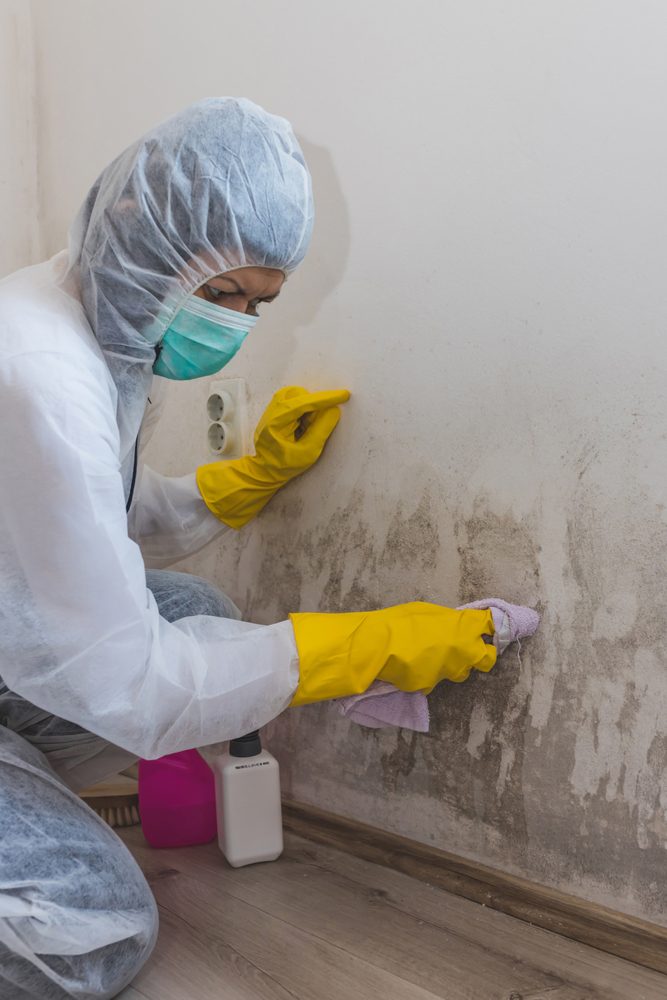
Tenants can contact the local housing or code enforcement department when serious dampness or visible mold is not addressed. Ask how to request an inspection and keep the complaint number, submitted materials, appointment details, and written findings. California guidance encourages renters to report unsafe conditions in writing and preserve photographs and communications. Mold lawyers for tenants can assess the notice trail, repair history, and available evidence. Avoid stopping rent, deducting repair costs, or moving out without legal advice; these choices can carry legal and financial risks.
Conclusion
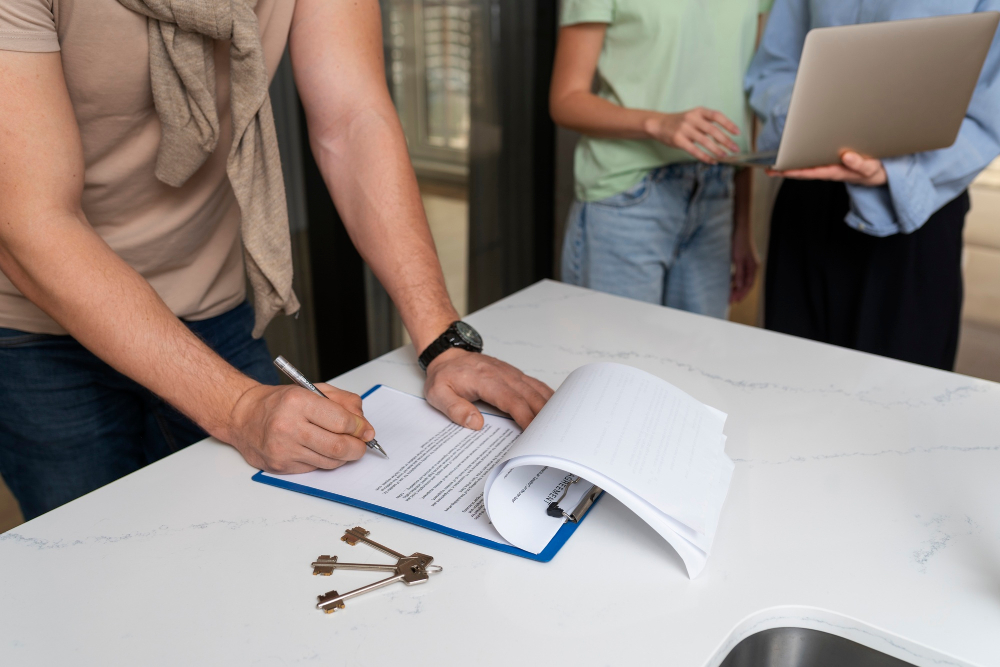
A careful record gives a tenant a clearer account of the problem and helps an attorney assess the next step. Keep notices, images, repair records, inspection findings, medical documents, and expense receipts together by date. Do not exaggerate, alter photographs, or discard messages that seem unhelpful; accuracy matters. California rules and local procedures depend on the property and circumstances, so obtain advice before major decisions about rent or the lease. For guidance on tenant mold claims, visit mehdlaw.com and consider discussing your options with counsel.