


Hidden mold can cause more than an unpleasant smell or a damaged wall. It may spread behind cabinets, beneath flooring, or inside ceilings before a tenant notices it. By the time the problem becomes visible, clothing, furniture, books, electronics, and other belongings may already be affected. In California, a landlord may be responsible when neglected leaks or other maintenance failures create unsafe conditions and the landlord does not respond reasonably after learning about them. Liability depends on the facts, including notice, cause, and proof of loss.
When a Landlord Must Make Repairs
California residential landlords must provide and maintain rental homes that meet basic habitability standards. This duty can include repairing plumbing leaks, roof failures, water intrusion, and other defects that allow mold to grow. A landlord is not automatically liable whenever mold appears, however. The tenant may need to show that the owner knew, or reasonably should have known, about the underlying problem and failed to take appropriate action. The California Department of Real Estate explains that substantial conditions affecting habitability generally require repair, subject to the circumstances.
Why Notice and Delayed Repairs Matter
A tenant’s written notice can be important evidence. Emails, text messages, repair requests, and dated letters can show when the landlord learned about dampness, leaks, musty odors, or suspected mold. If the landlord ignores repeated reports, arranges only a temporary patch, or fails to investigate the moisture source, that response may support a claim. Tenants should keep copies and record dates, conversations, inspections, and repair visits. Prompt action matters because delay can allow contamination to spread and make both the damage and its cause harder to establish.
When a Tenant May Share Responsibility
A landlord’s responsibility may be disputed if the tenant caused the moisture problem or failed to take reasonable steps within the tenant’s control. For example, a court may consider whether a renter promptly reported a leak, used working ventilation, or avoided blocking necessary airflow. These details do not excuse a landlord from repairing building defects, but they can affect how responsibility is assessed. Tenants should follow reasonable lease duties, report problems quickly, and avoid making unsupported assumptions about who caused the mold under the specific circumstances.
Proving Damage to Personal Belongings
To seek payment for damaged belongings, a tenant should create a clear record of what was affected and what each item was worth. Photograph items before moving or discarding them, and make an inventory listing description, purchase dates, estimated values, and the damage observed. Receipts, bank statements, warranties, and older photographs may help establish ownership and value. A qualified inspection can help connect the moisture problem to the affected areas. A mold property damage attorney can assess whether the available evidence supports a claim against the landlord or another responsible party.
Other Evidence That Can Strengthen a Claim
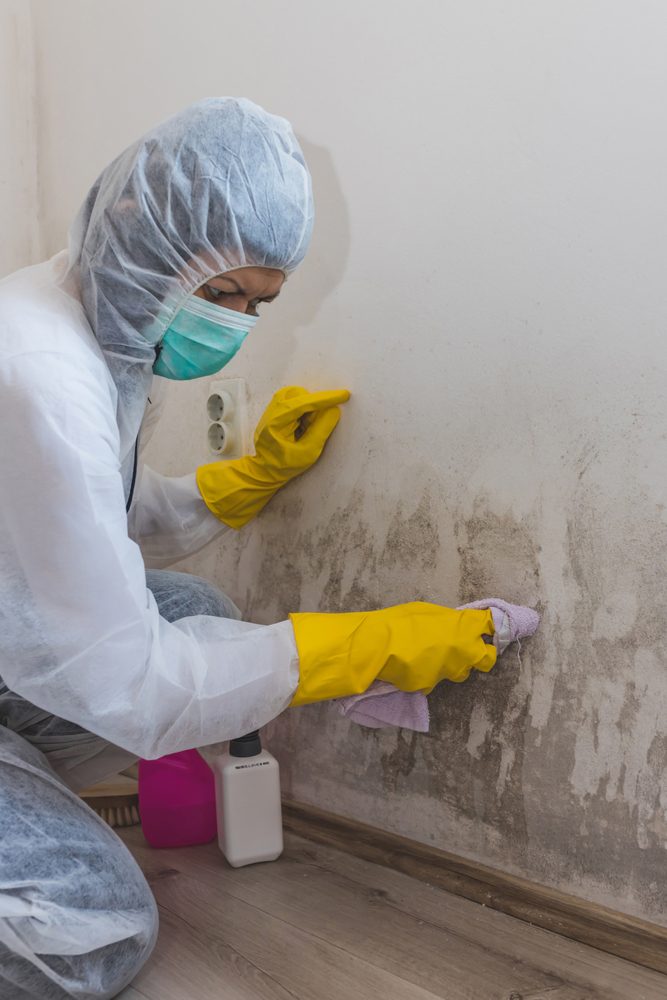
Evidence should tell a consistent story about the source of moisture, the landlord’s response, and the resulting loss. Keep inspection reports, maintenance records, contractor invoices, photographs, and communications in one dated file. If clothing or furniture must be professionally cleaned, retain estimates and receipts. Avoid disturbing suspected mold or attempting extensive cleanup before getting appropriate guidance, since this may affect safety and remove useful evidence. If the belongings are insured, review the policy and notify the insurer promptly; coverage may depend on the cause, exclusions, and notice requirements.
Possible Compensation and Important Limits
Depending on the evidence and applicable law, a tenant may seek the reasonable value of damaged property and other losses connected to the landlord’s conduct. A claim might also involve relocation expenses, rent-related losses, or health damages when supported by appropriate proof. Recovery is not automatic: disputes may concern the source of moisture, tenant responsibilities, depreciation, causation, or whether the landlord had notice and enough time to act. A mold damage attorney can review the facts, identify potential defendants, explain deadlines, and discuss practical options without promising a particular result.

Conclusion
Hidden mold does not make a landlord liable in every case, but ignored leaks and delayed repairs can create serious legal exposure when tenants suffer documented losses. Report suspected moisture in writing, preserve messages, photograph the affected areas, and make a detailed list of damaged belongings. Keep receipts and inspection records, and seek qualified help before evidence disappears. California claims depend on their facts and filing deadlines so early advice can be valuable. Tenants can review the firm’s mold resources at mehdlaw.com and consider a consultation about their circumstances.