

Which Strategy Helps Brands Find Influencers Who Actually Fit?
Learn how brands can find influencers through audience relevance, content quality, campaign goals, pricing, and practical checks that support better partnerships…

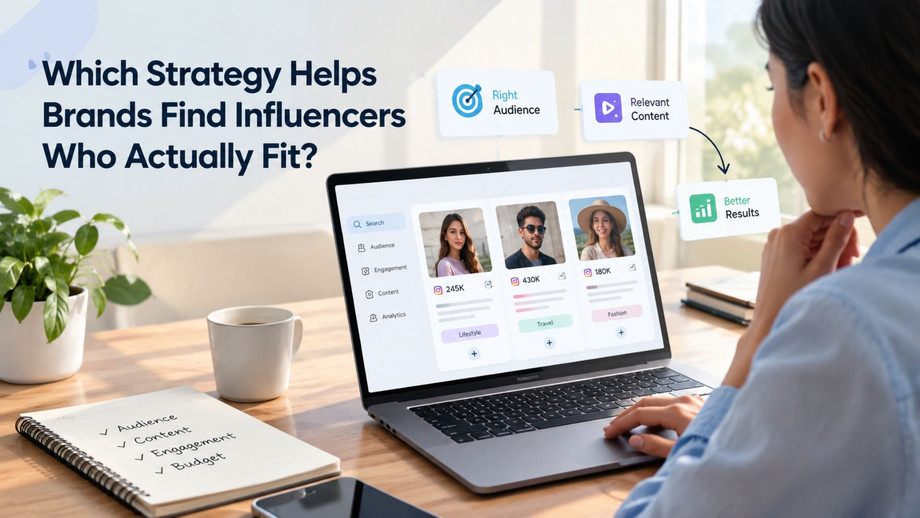
What makes an influencer genuinely suitable for a brand partnership? A large follower count may look impressive, but it does not automatically indicate audience relevance, content quality, or campaign value. In practice, strong creator partnerships usually begin with a clear understanding of the brand’s goals, target audience, budget, and desired outcomes. Brands should also review content consistency, engagement patterns, audience demographics, and past collaborations before deciding. The process becomes more reliable when these factors are evaluated together rather than judged through a single metric. This is where brands can find influencers who align with both campaign requirements and the expectations of the audience they want to reach.
Start With Campaign Objectives
Influencer research becomes more focused when the campaign objective is defined first. A brand seeking awareness may prioritize reach and audience distribution, while a product-launch campaign may need creators capable of explaining product benefits clearly.
For example, a skincare company promoting a new moisturizer could look beyond follower numbers and examine whether a creator regularly produces skincare content, attracts an appropriate audience, and communicates product information naturally. This creates a stronger connection between creator selection and campaign purpose.
Clear objectives also make later comparisons easier. Instead of asking which creator is most popular, marketers can ask which creator has the characteristics required for the specific campaign.
Examine Audience Relevance

Audience fit deserves careful attention because the creator's followers are ultimately the people exposed to the campaign message. Brands should review available demographic information, geographic distribution, interests, and audience behaviour where reliable data is available.
A fashion creator with a highly engaged audience interested in affordable everyday clothing may be more relevant to a mid-market apparel brand than a celebrity whose audience is broader but less connected to the category.
It is also useful to check whether the creator's recent content still reflects the audience profile that attracted the brand initially. Audience interests can change, particularly when creators expand into unrelated categories.
Review Content Quality and Consistency
A creator's previous content can reveal more than a profile summary. Look at how products are presented, whether sponsored posts feel consistent with organic content, and whether the creator provides useful context rather than simply displaying an item. These factors can make influencer selection more informed and aligned with the campaign's goals.
Consistency matters as well. A creator who publishes irregularly or frequently changes topics may require additional consideration before a long-term partnership. Brands should examine several recent posts instead of relying on one successful piece of content.
For example, a fitness brand could review whether a creator consistently discusses training, nutrition, or active lifestyles rather than selecting someone solely because one fitness-related post performed well.
Compare Engagement Beyond the Headline Number

Engagement rate can provide useful context, but it should not be treated as a standalone measure of influence. Brands can examine the quality of comments, recurring audience conversations, shares, saves, and other available indicators depending on the platform.
Generic comments appearing repeatedly across posts may deserve closer inspection. Similarly, unusually high engagement without meaningful discussion can justify additional verification.
Comparing several posts is generally more informative than analyzing a single viral publication. This helps distinguish consistent audience interaction from temporary spikes caused by trends, giveaways, or unusual content.
Consider Cost and Campaign Value
Influencer pricing varies according to factors such as audience size, platform, content format, production requirements, exclusivity, usage rights, and campaign duration. No universal price makes a collaboration automatically worthwhile.
Instead, brands can compare the expected deliverables with the total campaign cost. A lower-priced collaboration may require additional creators to achieve sufficient reach, while a higher-priced partnership may include stronger production quality or broader content rights.
The practical question is whether the proposed deliverables support the campaign objective. Written agreements should clearly establish deliverables, deadlines, revisions, disclosure expectations, usage rights, and payment terms before work begins.
You can also watch: Say hello to Creators Ville
Conclusion
Find influencers effectively by treating creator selection as a structured evaluation rather than a follower-count exercise. Campaign objectives, audience relevance, content quality, engagement patterns, pricing, and previous partnerships can provide a more complete picture of potential fit. The best process is not necessarily the most complicated one; it is the one that consistently checks the factors that matter to the campaign. Brands should document their selection criteria, verify important data, and review creators against the same standards. This approach can support more transparent decisions and stronger, more relevant influencer partnerships.
FAQs
What should brands check before choosing an influencer?
Brands should check audience relevance, content quality, engagement, consistency, past partnerships, campaign fit, and pricing.
How much does influencer marketing usually cost?
Costs vary by audience size, platform, content type, usage rights, campaign duration, and deliverables.
Are smaller influencers better than larger creators?
Not always. Smaller creators may offer niche relevance, while larger creators can provide broader reach. The right choice depends on campaign goals and budget.