

What Is the Ideal Crawl Space Insulation R-Value for Buda, TX Homes?

Determining the ideal Crawl Space Insulation R-Value for Buda, TX homes typically involves selecting R-13 to R-19 for floor insulation or R-10 to R-15 for continuous wall insulation. Because this region sits in Climate Zone 2, the primary goal is to prevent the heavy humidity and heat of Central Texas from entering your living areas. Using the right thermal resistance level ensures your air conditioner doesn't work overtime during scorching summer months.
This guide provides a detailed look at how to select the right materials and thermal ratings for local conditions. Proper insulation keeps your floors warm in winter and prevents moisture buildup that leads to structural decay. Industry experts suggest that a well-insulated crawl space can reduce monthly energy bills by up to 15 percent while significantly improving indoor air quality.
Understanding R-Values in Central Texas
An R-value measures how effectively a specific material resists heat flow. In the Buda area, high humidity levels make this measurement even more vital for the spaces beneath your home. Higher numbers indicate better insulating power, which is necessary when ground temperatures and air temperatures vary significantly throughout the day.
Building codes provide a baseline, but many homeowners choose to exceed these minimums for enhanced comfort. When exploring crawl space insulation services, you will find that different materials offer varied R-values per inch of thickness. This affects how much physical space the material occupies under your floor joists or against your foundation walls.
1. Local Climate Factors Affecting Your Choice
Buda experiences long, hot summers and relatively short, mild winters. This means your Crawl Space Insulation R-Value needs to focus primarily on keeping heat out and maintaining a dry environment. Moisture is a major concern in Texas, as damp crawl spaces often lead to wood rot and poor air quality.
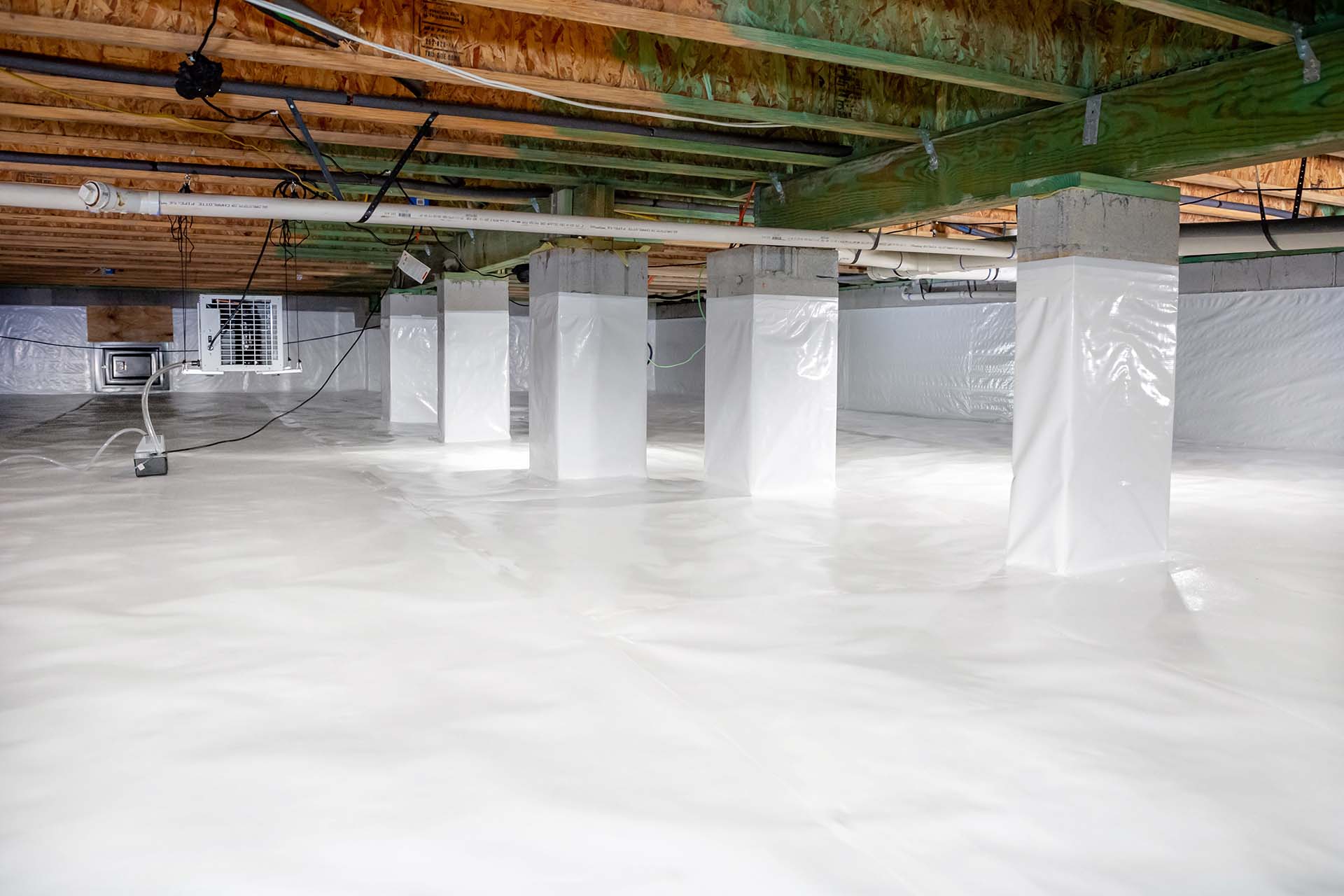
If your crawl space is vented, the insulation must be thicker to combat the outside air flowing freely beneath the structure. If the space is encapsulated, you can often utilize a lower R-value on the walls because the entire area becomes part of the home's conditioned space.
Why Humidity Matters for R-Value Performance
High moisture levels can physically degrade some insulation types, such as fiberglass batts. When these materials become damp, their effective R-value drops significantly. This is why many professionals recommend crawl space spray foam insulation for its ability to resist moisture while providing a consistently high thermal rating.
Condensation Risks
When warm, moist air hits a cool surface like a floor joist, it turns into liquid. Maintaining proper R-values helps keep those surfaces at a temperature that prevents this condensation from forming in the first place.
Proactive Maintenance Tips
Check for standing water before installing any new material. No amount of high-quality insulation can fix a fundamental drainage problem, so ensure your gutters and grading move water away from the foundation before proceeding with upgrades.
2. Comparing Common Insulation Materials
The material you choose determines how easily you can reach your target Crawl Space Insulation R-Value. Some options are more cost-effective upfront, while others provide superior long-term protection against the specific pests and weather patterns found in Hays County.

The Benefits of Spray Foam Applications
Many local homeowners opt for crawl space spray foam insulation in Buda, TX because it acts as both an insulator and an air barrier. It expands into small cracks and crevices that traditional batts might miss. This prevents the "stack effect," where air from the crawl space is pulled up into your home through gaps for pipes and wiring. Selecting the right material is essential for determining whether a vented or encapsulated strategy will be most effective.
- Creates a permanent bond to the structure.
- Will not sag or fall out over time like fiberglass.
- Deters pests like termites and rodents by removing nesting spots.
- Provides the highest R-value in the thinnest application.

3. Recommended Values for Encapsulated vs Vented Spaces
Your insulation strategy changes based on whether your crawl space is open to the outside or sealed off. A vented crawl space usually requires an R-19 or higher in the floor to keep the interior comfortable. However, this configuration often leads to moisture being trapped against the wood.
In a sealed or encapsulated system, the focus shifts to the perimeter walls. Here, a Crawl Space Insulation R-Value of R-10 or R-15 is usually sufficient. This turns the crawl space into a clean, dry mini-basement that protects your HVAC equipment and plumbing from the elements.
Energy Savings and Home Value
Improving the thermal envelope of your home is a smart long-term investment. Modern buyers often prioritize energy-efficient features, and a documented insulation upgrade can be a major selling point. It also reduces the strain on your cooling system, potentially extending its lifespan by several years.
Critical Sealing Tips
Seal all rim joists regardless of the insulation type you choose. The rim joist is the area where the house frame meets the foundation; it is a major source of air leaks that can bypass even the highest-quality new insulation.
4. Factors to Evaluate Before Starting Your Project
Before you hire a crawl space insulation company, you must evaluate the current state of your foundation. Installing new materials over old, moldy, or wet surfaces will only hide problems rather than solve them. You should also consider the height of your crawl space, as tight quarters may limit certain installation methods.
- Current moisture levels in the wood.
- Presence of existing pests or structural damage.
- Accessibility for installers and equipment.
- Location of ductwork and plumbing pipes.
- Local building permit requirements in the city of Buda.
Identifying a Reliable Installation Partner
Finding the right team is just as important as choosing the material. You want to work with a crawl space insulation company that understands the specific soil and weather challenges in Central Texas. They should be able to explain why a specific R-value is appropriate for your home's unique layout and needs.
5. Professional Installation Steps
A standard installation begins with clearing out old, damaged materials. If you choose crawl space insulation services that include a full cleanup, the team will remove debris and sanitize the area. This ensures the new insulation adheres correctly and does not trap lingering odors.
The installation of spray foam or foam boards must be precise to avoid "thermal bridging." This occurs when heat bypasses the insulation through wooden studs or concrete. A professional knows how to overlap or seal these areas to maintain a consistent thermal barrier across the entire foundation.
Financial Incentives and Rebates
Note that some utility providers in the Buda and Austin area offer rebates for home energy efficiency upgrades. It is worth checking with your local electric company to see if crawl space improvements qualify for these financial incentives to help offset your project costs.

Moving Toward a More Comfortable Home
Determining the correct Crawl Space Insulation R-Value is a balance between local climate needs and your specific home goals. In Buda, aiming for R-13 to R-19 in floors or R-10 to R-15 on walls provides the thermal protection needed to handle the Texas weather. By selecting the right materials and ensuring a professional installation, you create a healthier and more efficient living environment.
Carefully evaluate your options and focus on moisture control as much as thermal resistance. A dry, well-insulated crawl space is the foundation of a durable home. Take the time to assess your current setup and consult with experts to find the best fit for your property.
Contact Local Experts for a Custom Evaluation and Free Quote
If you are ready to improve your home's efficiency and comfort, reaching out to a specialist is the best next step. The team at Stellrr Insulation & Spray Foam provides expert guidance on the right R-values for Central Texas properties. You can contact them at (512) 710-2839 or via email at [email protected] to discuss your specific needs. They offer professional crawl space services tailored to the Buda climate. For more information or to request a free quote, visit their location or check their service map at https://maps.app.goo.gl/Kn97GfC6mWUq8gkV8.
How Can You Solve Common Crawl Space Issues?
Does high R-value insulation prevent mold?
Insulation alone does not stop mold, but materials like closed-cell spray foam resist moisture and air infiltration, which are the primary causes of mold growth in local crawl spaces.
Can I install new insulation over my old fiberglass batts?
It is usually not recommended to layer new material over old, especially if the old batts are sagging or damp. Removing the old material allows for a better seal and helps identify hidden structural issues.
How long does crawl space spray foam last?
When properly installed, spray foam is designed to last the lifetime of the home. It does not settle or degrade like traditional fiberglass, maintaining its R-value indefinitely.
Will insulating my crawl space help with allergies?
Yes, by sealing the gaps between the crawl space and your living area, you prevent dust, mold spores, and outdoor allergens from being drawn into your home's air supply.
Is it better to insulate the floor or the walls?
In the Buda climate, many experts recommend encapsulating the space and insulating the foundation walls. This creates a more stable environment and better protects the home's structure from humidity.
Comments