

Why Moisture Damage Starts in the Attic and How to Prevent It

Moisture damage usually starts in the attic because warm, humid air from your living areas rises and gets trapped against the cold roof deck. This process, known as condensation, turns invisible water vapor into liquid that rots wood and ruins insulation.
This guide explains why this happens and how you can stop it before it leads to expensive repairs. You will find expert advice on attic moisture prevention solutions that keep your home dry and healthy.
Properly managing your attic environment is a specialty that requires technical knowledge of airflow and thermal barriers. Reliable attic insulation services for homes focus on these physics to protect the structural integrity of your roof.
How moisture builds up in attic spaces
The primary cause of attic moisture is a lack of proper air sealing between your ceiling and the attic floor. Small gaps around light fixtures, plumbing stacks, and chimney chases allow conditioned air to escape upward.
In the winter, this warm air hits the cold roof and creates frost or water droplets. During the summer, high humidity levels can cause the wood in your attic to "sweat," which leads to mold growth.
Common sources of excess moisture include:
- Leaky ductwork that dumps humid air directly into the attic.
- Bathroom or kitchen fans that vent into the attic instead of outside.
- Inadequate soffit vents that prevent fresh air from circulating.
- Roof leaks that go unnoticed because they are hidden behind old insulation.
Why does insulation matter for moisture control?
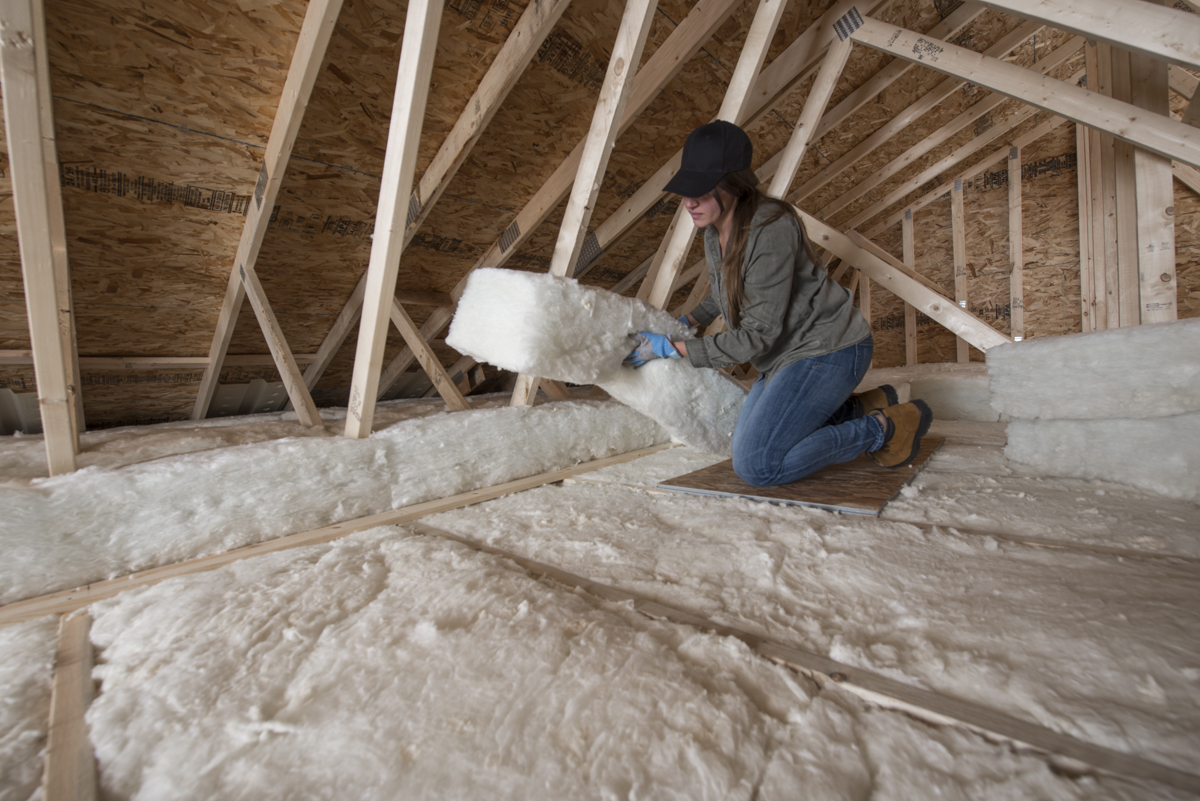
Insulation acts as the primary defense against the temperature swings that cause condensation. When you use a professional moisture control insulation company, they ensure your attic stays at a temperature close to the outdoor air.
Quality insulation materials slow down the transfer of heat, keeping your ceiling cool in the summer and warm in the winter. This reduces the "dew point" incidents where water forms on your attic surfaces.
Market data shows that nearly 90% of existing homes in the United States are under-insulated. This lack of protection makes these homes highly susceptible to humidity-related wood rot and mold.
Comparing materials for humidity management
Selecting the right material is essential for long-term success. Different products handle moisture and airflow in various ways.
| Insulation Type | Moisture Resistance | Air Sealing Ability | Durability |
|---|---|---|---|
| Closed-Cell Spray Foam | Very High | Excellent | High |
| Open-Cell Spray Foam | Moderate | Good | High |
| Blown-In Cellulose | Moderate | Low | Medium |
| Fiberglass Batts | Low | None | Low |
The benefits of air sealing
Air sealing is often more important than the insulation itself. It involves using foams or caulk to plug the "thermal bypasses" where air leaks out of your home.
Without air sealing, even the thickest insulation will not stop moisture from traveling into the attic. Air sealing and insulation work together to create a sealed envelope that keeps your home's humidity where it belongs.
Best insulation for humidity control attic environments
Spray foam is often considered the top choice for attic moisture prevention solutions. Unlike traditional materials, it expands to fill every crack and serves as both insulation and an air barrier.
Closed-cell spray foam is particularly effective because it is impermeable to water. This means it prevents moisture from passing through it entirely, which is a major advantage in humid climates.
- Bonus Tip: If you live in a high-humidity region, ask your contractor about "hot roof" designs. This involves applying foam directly to the underside of the roof deck.
Regional guidance for Texas homeowners
In Central Texas, the intense heat and humidity create unique challenges for attic health. Attic temperatures in cities like Austin can easily exceed 150 degrees during the summer months.
This extreme heat forces your air conditioning system to work harder, which can create a massive temperature difference. This difference often leads to "ghosting" or moisture spots on your ceilings if your insulation is failing.
Local homeowners should prioritize materials that offer high R-values and superior air sealing. This prevents the heavy Texas humidity from entering the attic and causing the roof decking to warp or decay.
What to look for before selecting a contractor
Choosing the right attic insulation contractor services involves more than just looking at the price. You need to ensure the team understands the science of moisture movement.
Before you make a final decision, evaluate these factors:
- The contractor should perform a full inspection of your current ventilation.
- They must check for existing mold or wood rot before adding new layers.
- The company should be able to explain how their materials handle vapor drive.
- Look for providers who offer comprehensive air sealing as part of their package.
- Bonus Tip: Always check if the contractor is licensed and insured for spray foam application specifically. This protects you from liability during the installation process.
How to maintain a dry attic long term
Preventing moisture is not a one-time task; it requires occasional monitoring. You should inspect your attic at least twice a year to look for signs of dampness or odd odors.
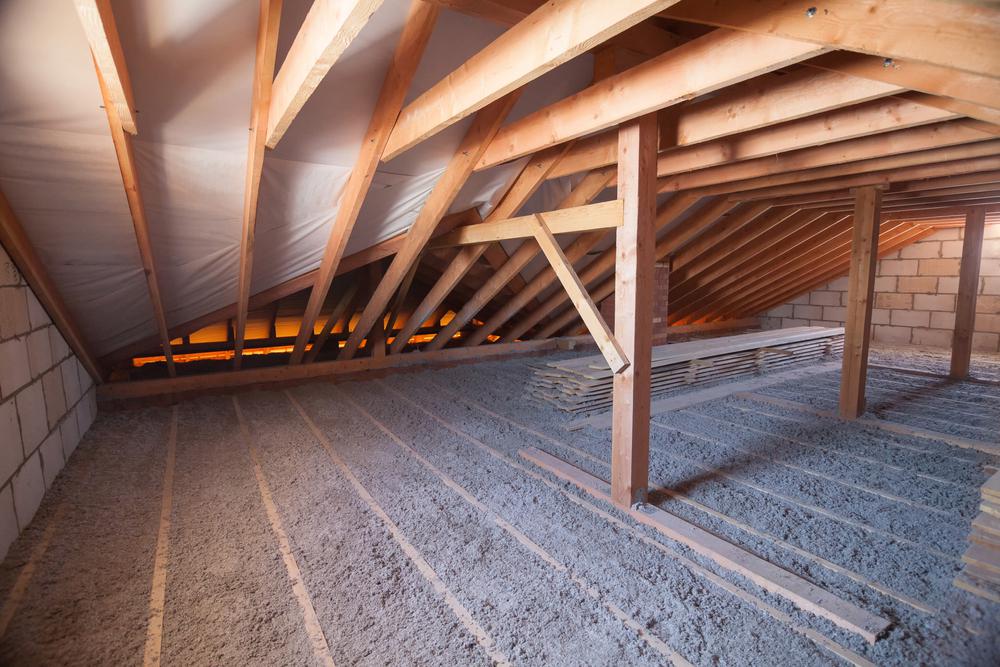
Keep your gutters clean to ensure water moves away from the house rather than backing up under the roof shingles. Also, ensure that your attic vents remain unobstructed by dust, bird nests, or stray insulation.
If you notice a sudden spike in your energy bills, it might be a sign that your insulation has become damp. Wet insulation loses its ability to hold heat and should be replaced immediately to prevent structural damage.
Should you upgrade your attic protection now?
Evaluating your attic now can save you thousands of dollars in future roof replacements. If your attic feels significantly hotter than the rest of your home, or if you smell a musty odor, it is time to act.
Professional attic insulation services for homes provide a permanent fix for humidity issues. By investing in modern materials and proper air sealing, you protect your family's health and your home's value.
Take the time to look at your current setup and determine if it meets modern standards for moisture control. A dry attic is the foundation of a durable and energy-efficient home.
Consult with experts for a permanent solution
If you are concerned about moisture in your home, reaching out to a professional is the best next step. Specialists can identify hidden leaks and suggest the best insulation for humidity control attic spaces
Stellrr Insulation & Spray Foam provides expert assessments and high-quality installation to protect your property. If you are looking for a reliable partner to handle your specific needs, you can contact them at [email protected] or call (512) 710-2839.
They offer tailored solutions for homeowners in the Austin area looking to improve their home's comfort and safety. Visit their office at https://maps.app.goo.gl/Kn97GfC6mWUq8gkV8 for more information or to request a free quote for your project.
Frequently Asked Questions
Can high humidity in the attic cause roof leaks?
It does not cause external leaks, but it creates internal moisture that mimics the damage of a roof leak.
Does new insulation stop existing mold?
No, you must treat and remove existing mold before installing new insulation to prevent it from spreading.
How often should you check your attic for moisture?
It is wise to inspect the space every spring and fall to catch issues before they escalate.
Will a bathroom fan vented to the attic cause damage?
Yes, it dumps concentrated moisture into the space, which leads to rapid wood rot and mold growth.
Can insulation help with wood rot?
Properly installed insulation prevents the condensation that causes rot, though it cannot fix wood that is already decayed.
Comments