

How Long Does a Typical Roof Leak Repair Usually Take

Roof leaks are among the most common issues property owners face, often leading to water damage, structural weakening, and interior deterioration if not handled promptly. When leaks occur, one of the first questions homeowners ask is how long the repair will take. The duration of the repair process can vary depending on factors such as the roof’s size, material, accessibility, and the extent of the damage. Understanding these variables helps property owners make informed decisions and prepare for what to expect. For professional and efficient service, contacting Roof Repair Lancaster PA at (888) 414-6452 is an excellent choice to ensure high-quality Roof Leak Repair with minimal disruption to your daily routine.
Factors That Influence Repair Time
Every roof is unique, which means no two leak repairs are exactly the same. The time required depends heavily on several conditions that impact the repair complexity and labor required. These include the roof’s design, weather conditions, and accessibility. For instance, flat roofs generally offer easier access and simpler repairs, while steep or multi-layered roofs may require more safety precautions and additional time. Weather also plays a crucial role; rain or extreme humidity can delay work because the surface must be completely dry before materials adhere properly.
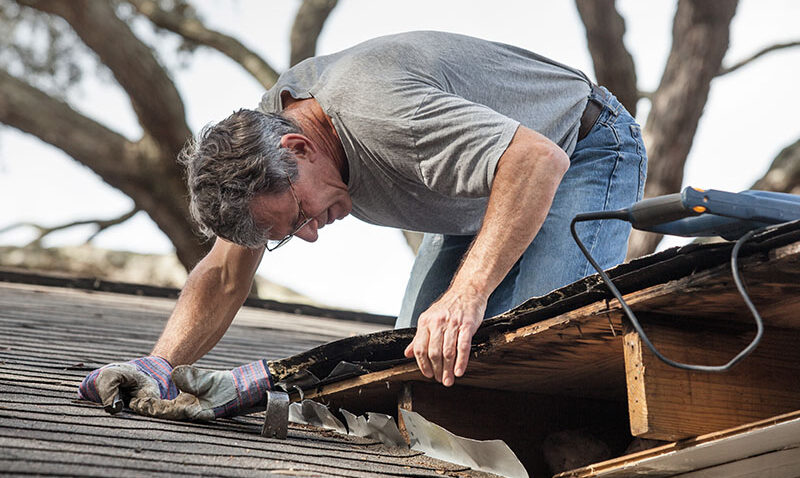
Another key factor is the extent of the damage. A small puncture or localized leak may be resolved within a few hours, but widespread moisture intrusion beneath shingles or flashing may require more extensive restoration. Roofing materials also matter. Metal, asphalt, tile, and slate roofs each demand different repair methods and drying times, influencing how long the overall project takes. Experienced contractors usually assess the damage first and then provide an estimated completion time based on these details.
Inspection and Damage Assessment
The first step of any roof repair is the inspection. This stage determines the severity of the leak and identifies hidden problems. Contractors often check the attic, ceilings, and roof decking to locate the leak’s origin. Sometimes water travels from one point to another before becoming visible indoors, making professional assessment essential. A careful inspection ensures that the repair addresses both surface-level and underlying issues, preventing recurring leaks later on.
This assessment also helps establish a timeline. Once the problem area is clearly defined, roofers can decide whether a minor patch, shingle replacement, or deeper structural fix is required. The accuracy of this step directly affects how efficiently the rest of the project proceeds.
Repair Process Overview
After inspection, the actual repair begins. The process typically involves cleaning the affected area, removing damaged materials, and sealing or replacing compromised sections. If the roofing surface has mold or rot, that material must be removed and treated before applying new layers. Proper sealing with waterproof coatings or adhesives ensures long-term durability and protection against future leaks.
Here are a few general stages most roof leak repairs include:
- Thorough cleaning and debris removal from the affected area
- Removal of damaged shingles or membrane layers
- Replacement or sealing of affected flashing and underlayment
- Application of weatherproof coating or protective sealant
Each of these steps requires attention to detail and time for materials to set properly. Skipping drying or curing time can cause the repair to fail prematurely, so professionals always ensure sufficient waiting periods between stages.
Typical Timeframes for Common Repairs
While every project is unique, most small-scale residential roof leak repairs can be completed in a single day. This includes minor leaks caused by loose flashing or missing shingles. Moderate repairs involving multiple leaks or partial roof sections might take one to three days, depending on material type and weather conditions. Large or complex issues, such as leaks that have spread into insulation or structural components, can extend the timeline to several days or more.
Commercial buildings often take longer because of their larger surface area and specialized materials. Additionally, flat or metal roofs may require additional waterproofing and drying time. Professional teams plan schedules carefully to balance quality with efficiency, ensuring long-term reliability without rushing the process.
Importance of Quality and Precision
Speed is important, but quality is more critical. Quick fixes might appear to solve the problem but often fail under the next heavy rainfall. High-quality workmanship ensures that the root cause of the leak is fully addressed, preventing further damage. Contractors use specialized tools and materials designed to match the existing roofing system for a seamless repair.
A professional approach includes verifying all sealed areas, testing drainage, and ensuring proper ventilation. Skilled roofers also check for early signs of future issues, such as brittle shingles or rusting fasteners, and recommend preventive maintenance. Investing a little extra time for thorough work guarantees better performance and peace of mind.
Preventive Maintenance After Repair
Once a leak has been repaired, it is wise to implement preventive maintenance practices. Regular inspections help detect minor wear before it becomes significant damage. Cleaning gutters, trimming overhanging branches, and checking for loose flashing can all prevent leaks from returning. Homeowners should also keep an eye on attic ventilation and insulation, as these affect moisture control inside the roofing system.
Scheduling a professional roof checkup once or twice a year ensures continued performance and extends the lifespan of the structure. Prevention is always more cost-effective and less disruptive than repeated emergency repairs.
Seasonal Considerations for Repair Work
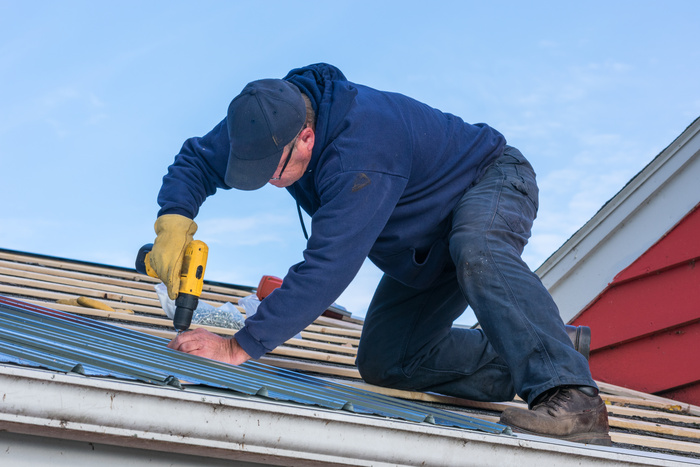
Seasonal weather patterns can influence both scheduling and drying times. Spring and fall are often ideal seasons for roof repairs because of moderate temperatures and reduced rainfall. Summer heat can cause adhesives to dry too quickly, while winter cold may limit the flexibility of roofing materials. Professionals plan around these conditions to ensure optimal repair quality and durability. For property owners in areas with unpredictable weather, flexible scheduling and experienced contractors are essential. Choosing a trusted local company helps ensure that your repair can be completed safely and efficiently despite climate challenges.
Conclusion
The duration of a roof leak repair depends on several key factors including the size of the damage, roof type, and weather conditions. Minor leaks may take just a few hours to fix, while extensive damage can extend the project over several days. Regardless of the timeline, choosing an experienced and reliable service is crucial for long-term results. Roof Repair Lancaster PA provides expert solutions designed to restore strength, safety, and waterproof protection to your property. To schedule your repair or inspection, contact them today at (888) 414-6452 for professional assistance you can trust.
FAQs
How do I know if my roof needs immediate repair?
If you notice water stains on ceilings, damp insulation, or visible leaks during rainfall, it is time to schedule a professional inspection before the issue worsens.
Can I stay at home during roof repairs?
In most cases, yes. For small residential jobs, homeowners can remain inside, although there might be some noise and movement on the roof.
How do professionals locate hidden leaks?
Experts use infrared scanners, moisture meters, and visual inspection techniques to trace water flow and pinpoint the leak’s origin.
What materials are typically used in leak repair?
Depending on the roof type, materials may include sealants, new shingles, flashing replacements, waterproof membranes, and protective coatings.
How can I prevent future leaks after repair?
Regular maintenance, cleaning gutters, checking flashing, and scheduling annual inspections help keep your roof watertight and in good condition.
Comments