

How Does Heavy Hauling Trucking Handle Oversized Loads
Discover how heavy hauling trucking safely manages oversized loads through detailed planning, specialized equipment, and regulatory compliance. This in-depth guide explains the role of companies like Big M Transportation in handling complex logistics, from securing permits and mapping routes to deploying skilled drivers and advanced technology.

Transporting large, heavy, or unusually shaped equipment is a complex process that requires more than just a powerful truck. Companies specializing in oversized transportation must balance safety, compliance, and logistics to ensure every move is successful. Within this sector, heavy hauling trucking has become the backbone of industries such as construction, energy, and manufacturing. Big M Transportation, a recognized name in the logistics field, plays a critical role in helping businesses move oversized loads with efficiency and precision. Their expertise highlights the structured methods and advanced planning required to execute such challenging projects.
Defining Oversized Loads
Oversized loads typically refer to cargo that exceeds standard weight, length, width, or height limits set by federal and state transportation regulations. These loads can include anything from industrial machinery and large construction equipment to prefabricated structures and wind turbine components. Because they are outside the legal limits for typical trucking, specialized permits, escorts, and equipment are required. The sheer scale of these shipments means that preparation and execution must be meticulous to prevent delays and ensure safe transit.
Planning the Route for Oversized Loads
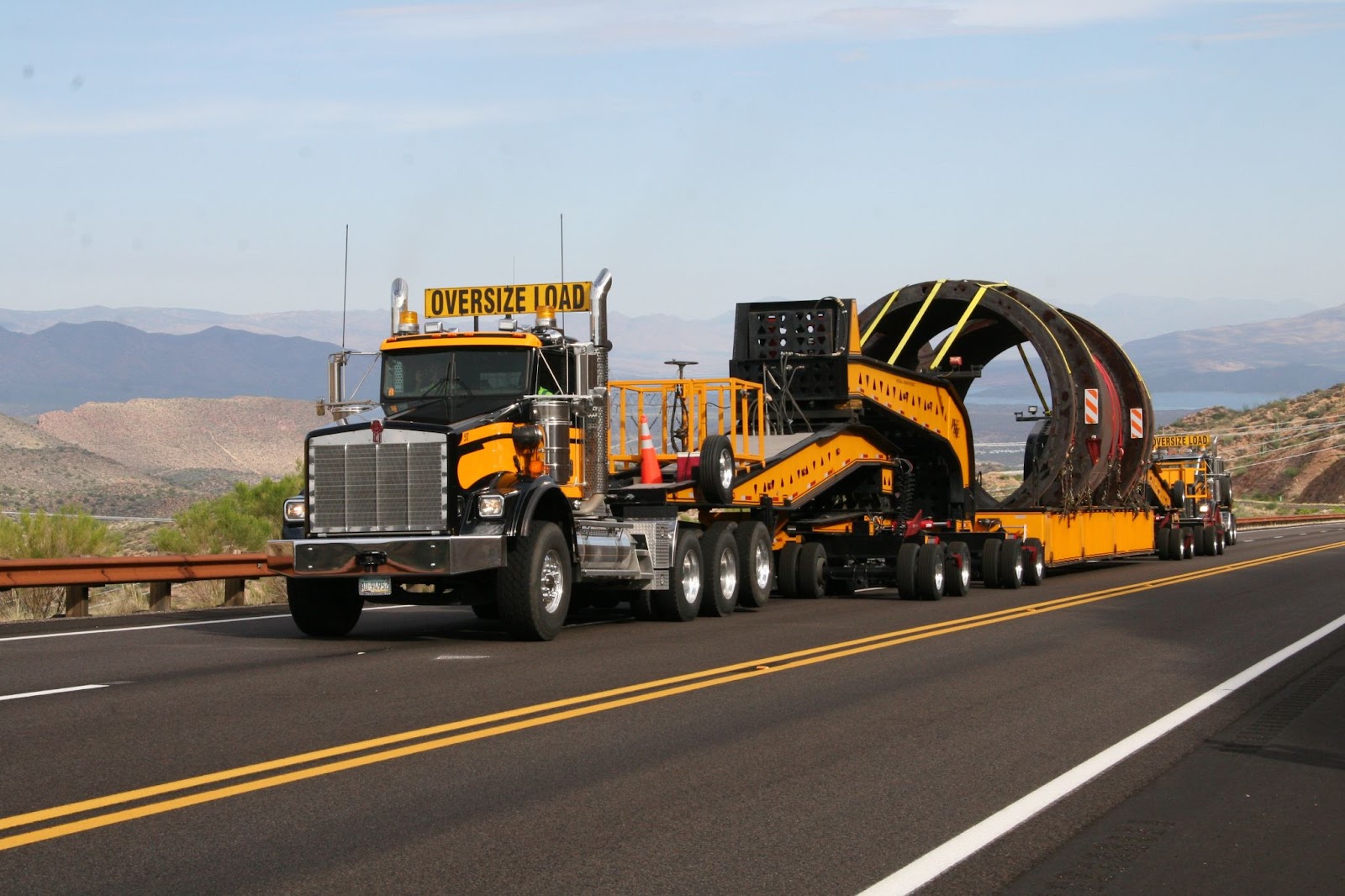
Route planning is one of the most critical steps in heavy hauling. Transporting oversized cargo cannot rely on standard trucking routes, as road restrictions, bridge clearances, and weight limits create obstacles. Mapping out an effective path involves collaboration with state authorities and local municipalities to ensure compliance. Detours may be necessary to avoid tunnels or overpasses, while certain roads may require reinforcement to handle the added weight. By identifying these challenges in advance, companies can minimize risks and keep operations on schedule.
Specialized Equipment in Heavy Hauling Trucking
Moving oversized loads requires more than just a tractor-trailer. Different types of trailers are designed to meet unique hauling needs. Lowboy trailers, for example, provide extra clearance for tall cargo, while extendable trailers can adjust to support long equipment. Multi-axle configurations help distribute weight more evenly, reducing strain on infrastructure. Hydraulic systems on modern trailers also allow operators to adjust height and stability during transit, giving them more control over the cargo’s position. These technological advancements make it possible to handle loads that were once considered impossible to move safely over long distances.
Safety Measures During Transport
Safety is central to every aspect of oversized load transport. Drivers and crews are highly trained to manage the unique dynamics of hauling cargo that extends far beyond a typical truck’s dimensions. Wide loads require additional signaling, flags, and lights to warn surrounding motorists. In some cases, pilot cars travel ahead and behind the load to guide the truck and alert drivers of upcoming challenges. Communication between the driver, escorts, and dispatchers is maintained throughout the journey to ensure real-time adjustments if unexpected hazards appear.
Permitting and Compliance
Each oversized load requires permits that vary depending on the states and regions the truck will pass through. These permits dictate the allowable times of travel, road usage, and escort requirements. Compliance ensures not only safety but also the protection of road infrastructure. Violating these regulations can lead to significant delays, rerouting, and penalties. For this reason, companies invest heavily in regulatory knowledge and maintain close communication with authorities before and during the transport process.
Challenges in Heavy Hauling Trucking
The logistics of oversized transport present unique obstacles that go beyond traditional freight hauling. Weather conditions such as strong winds or heavy rain can pose risks to stability. Urban environments with narrow streets and heavy traffic make maneuvering oversized loads especially difficult. Even rural areas can bring challenges with unpaved roads or weak bridges. Each project must anticipate these issues and have contingency plans in place. Without thorough preparation, delays and risks increase significantly.
Key challenges often include:
- Road and bridge weight restrictions
- Limited maneuverability in urban or rural areas
- Weather-related hazards during transit
- Coordination with multiple regulatory agencies
Role of Skilled Drivers and Crews
Drivers involved in heavy hauling trucking are not only experienced but also highly specialized in maneuvering difficult loads. Their ability to make precise turns, adjust speed on varying terrain, and respond quickly to unexpected events is essential. The crew also plays a significant role in securing cargo, setting up safety equipment, and coordinating with escort vehicles. This teamwork ensures that every aspect of the transport runs smoothly, reducing the risk of accidents or damage.
Industries That Rely on Heavy Hauling
Several industries depend on oversized transportation for their growth and operations. Construction companies rely on heavy hauling for moving cranes, bulldozers, and prefabricated components. Energy companies require it to deliver transformers, turbines, and drilling equipment. Manufacturing plants depend on it for relocating large machinery during expansions or relocations. Without these specialized trucking services, projects would stall, supply chains would suffer, and large-scale development would be hindered.
Technology’s Role in Oversized Load Transport
Modern technology has transformed the efficiency and safety of heavy hauling. GPS route optimization tools allow companies to find the safest and most cost-effective paths. Real-time tracking systems give clients visibility over their shipments. Advanced hydraulic trailers and self-steering axles make maneuvering easier than ever. In addition, digital platforms streamline permit applications and regulatory compliance, cutting down preparation time while maintaining accuracy.
Environmental Considerations
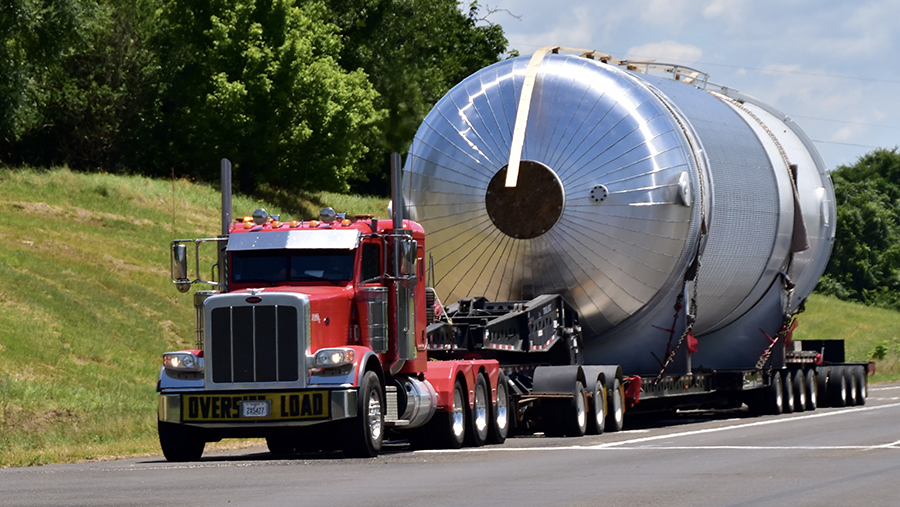
Sustainability is becoming increasingly important in logistics. Heavy hauling companies are adopting eco-friendly practices, including using fuel-efficient trucks, optimizing routes to reduce emissions, and implementing smart load distribution systems. These efforts not only protect the environment but also enhance operational efficiency. By reducing unnecessary mileage and idling, companies can lower their carbon footprint while still meeting the demanding needs of oversized transport.
Conclusion
Heavy hauling trucking is a specialized industry that combines planning, technology, skilled labor, and strict compliance to move oversized loads safely. Big M Transportation exemplifies the expertise required to manage these challenges with precision. From securing the right permits and mapping routes to deploying specialized equipment and trained crews, every step is designed to ensure success. Industries that depend on heavy hauling rely on these methods to keep projects moving forward and to ensure that vital equipment reaches its destination without compromise.
FAQs
What qualifies as an oversized load in trucking?
An oversized load is any cargo that exceeds the legal limits of weight, width, height, or length established by state and federal regulations.
Why do oversized loads require escort vehicles?
Escort vehicles guide the truck, alert other drivers, and provide assistance in navigating obstacles, ensuring the oversized load travels safely.
How long does it take to prepare for an oversized load transport?
Preparation time varies depending on the size of the cargo, permits needed, and route complexity, but it typically involves detailed planning to avoid delays.
What industries benefit most from heavy hauling trucking?
Construction, manufacturing, and energy industries rely heavily on heavy hauling for moving essential machinery and equipment.
What role does technology play in oversized load transport?
Technology supports route optimization, load tracking, and trailer adjustments, improving efficiency, safety, and compliance throughout the process.
Comments