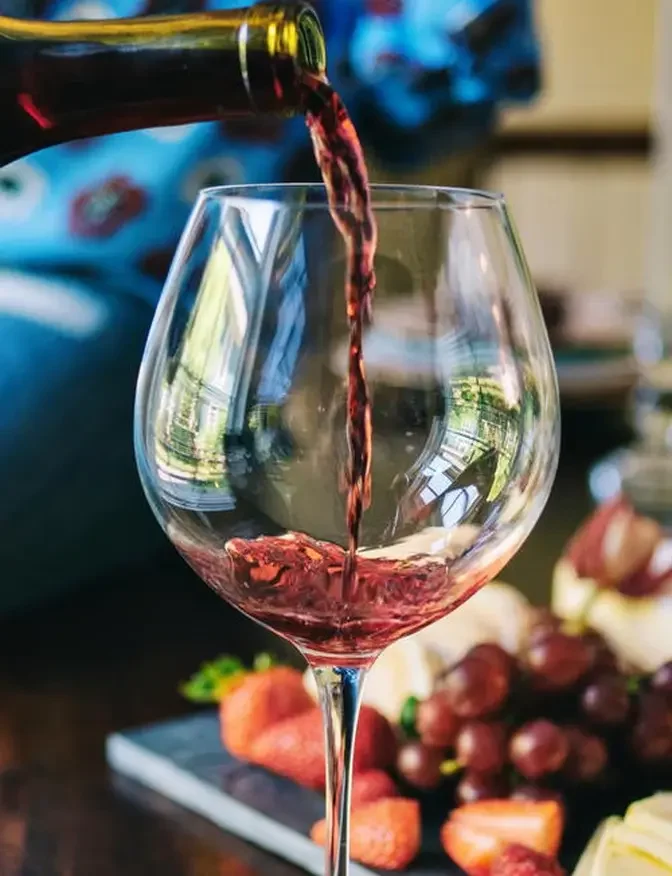
UPDATE! So it's "lee-luh-naa" not Leelanau and "Old Mission Peninsula" not Old Michigan Peninsula! SO SORRY I MISSPOKE! We were surprised by the quality and potential of this burgeoning wine producer: Michigan! Despite its newcomer status, Michigan boasts winemaking traditions dating back to the 1600s, making waves with classic varieties like Riesling, Pinot Noir, and Chardonnay.
Delve into Michigan's remarkable journey as it stakes its claim in the wine world, defying expectations with its stunning natural landscapes and diverse array of grape varieties. Taste the innovation and passion behind each bottle as we explore Michigan's cool-climate wines, from aromatic Rieslings to elegant Pinot Noirs. Join us on this exciting adventure and witness firsthand why Michigan is a rising star in the world of wine. Subscribe for more insights and happy tasting!
There's something magical about wine from a cool climate. They're crisp and elegant with floral
and herbal aromas. We're talking about a region where winemaking traditions date back to the 1600s
with stunning natural landscapes and classic wine varieties like Riesling, Pinot Noir,
and Chardonnay. No, this isn't Europe. It's right here in the United States. Believe it or not,
I'm talking about Michigan and it's staking its claim right now in the wine world. So today we're
going to learn all about Michigan wine and understand a little bit more of why Michigan
is the ideal place to grow wine grapes. There's actually a secret to Michigan's success and it
and we can find out what the state of wine tastes like in a glass. But before we do that,
let's get some context. Michigan sits on the same latitude as Bordeaux. Of course,
this is the Midwest, which is known for harsh cold winters. They're so cold, in fact,
that they can kill grapevines. And this is where Michigan's big secret comes into play.
It's surrounded by the Great Lakes, especially Lake Michigan, which moderates cold snaps,
making it possible to grow over 50 different grape varieties here. There are five official
American viticultural areas in Michigan. Lake Michigan Shore, Old Michigan Peninsula, Fenville,
Llano Peninsula, and the newest AVA, Tip of the Mitt. What's crazy is that Michigan has been
making wine a lot longer than California. It all started when vines were first planted here
in 1702 under the command of Antoine Lamet Cadillac at Fort Pontchartrain. In fact,
you might recognize Antoine's coat of arms. It's the Cadillac logo. And Fort Pontchartrain is now
in modern day Detroit. Today, Michigan is the seventh largest wine grape grower in the United
States, with just under 4,000 acres planted. So what should we be trying from Michigan?
Well, the top wines here include Riesling, Chardonnay, Pinot Noir, Cabernet Franc,
and Pinot Gris. But this is the big question. What are they like? Let's taste some. By the way,
if you want to learn more about Michigan wine, head over to the Michigan Wine Region Guide
at winefolly.com. Here we have a selection of wines from across Michigan. A Pinot Grigio,
a Chardonnay, Riesling, Method Traditional Sparkling Wine, Pinot Noir, and Cabernet Franc.
Let's see what these wines can tell us about the terroir of Michigan. Pinot Grigio. What surprises
me about this wine is it has just 12.8 alcohol by volume. That's pretty low alcohol. And it speaks
to the cool climate that these grapes are growing in. Wow. Good aromatics. This wine has remarkable
acidity. This Chardonnay clocks in at 12% alcohol by volume. That's pretty low for Chardonnay. And
it says it's unoaked, which means they might be following a stylistic design of what you might
find in Chablis in France. The nose of this wine is just awesome. Ripping high acids. These next
two wines showcase Michigan Riesling in two different styles, a dry one and a sweet one.
With such intense aromatics coming out of this wine, I'm almost reminded of Riesling from Austria.
It really speaks to Michigan's glacial soils. Glacial soils can have a lot of texture
and aromatic quality to white wines. Oh my gosh. That has such crazy high acid.
Whoa. This wine is another aromatic powerhouse. I get lime peel, a little apricot, lemons,
a little bit of honey, and a whiff of petrol. I kid you not. That reminds me of Mosel Germany
Riesling. Let's give this wish. Yes, it's off dry. Reminding me of that Prada cat system in German.
Almost like a German Riesling, but with a much more sort of chalky texture on the palate, which
I kind of dig. This caught my eye. It's a Brut level Method Traditionnelle. So it's made in the
Brut style, which means it's dry. And Method Traditionnelle means they're following the same
winemaking method that is used in Champagne. What's crazy about this wine is it's co-fermented.
They take Chardonnay and Pinot Noir and co-ferment them together. Then the wine ages for four years
on the lees. Whoa. That color really speaks to the Pinot Noir used in this wine. There's a lot
going on on the nose. White raspberry, apple, red apple, a whiff of wet rocks, a little bit of
petrol, almost like a gas smell. Jeez. Let's give it a try. I can't tell you
what I'm thinking about this wine because it's so unique for sparkling wine. Maybe it's because
they co-fermented Chardonnay with Pinot Noir. Maybe it's Michigan's terroir and that kind of
chalky texture I get on the palate in this wine. It's shockingly well made and I can taste the
grapes they're using are ripe but the alcohol is low. It's refreshing. It's balanced. It's a
curiosity. Now for some red wines. You have to remember we are in a cool climate so we're not
expecting these wines to be big and bombastic. They're going to have lower alcohol levels,
probably lighter more floral and herbal notes, and they're going to be a little more high acid
on the palate with a more elegant style. If that sounds interesting to you, let's check them out.
This Pinot Noir is coming from the Fenville AVA. The color in this wine is definitely lighter and
makes me think more of a burgundy style Pinot Noir versus something from California. Whoa.
Herbal red fruit notes. It's got fruit but it's definitely more of that unripe fruit.
Our last wine is 95% Cabernet Franc with a little bit of Cabernet Sauvignon. I cannot believe they
can ripen Cabernet Sauvignon in Michigan. It just goes to show how important the lake influence is
to ripen grapes in this region. Smells like they're using some really high quality oak.
It has this really rich red fruit flavors. Cherries and raspberries and forest berries.
Whoa. That is a mouthful of tannin. This is crazy because this red wine right here grows
in Michigan. It has the ripeness. It has low alcohol and it's got the acidity and tannin
structure to potentially age. I can tell by tasting these wines that these producers really
really care about growing their grapes and getting high quality grapes in winemaking.
This region might be new on the world stage but it definitely has some traits that are worth
paying attention to. Low alcohol, high aromatics, herbal and floral red wines, and intense high acid
white wines. After tasting these wines I hope you now have a pretty good idea of what's going on
on the mitt. If you want to learn more the Michigan Wine Region Guide will help you find
great producers and wines. It's all available to you at winefolly.com. And if you'd like to
support what we're doing to help spread the love of wine education and appreciation, subscribe and
turn on notifications so you don't miss the next episode. Until next time, happy tasting. Peace out.