
Cauliflower Farming Documentary | From Tiny Seed to a White Jewel
1 Video View·Nov 28, 2026
0:00 The journey of cauliflower from ancient gardens to modern kitchens
2:48 Preparing the soil, transplanting, and early growth
4:00 The magic of curding and the art of blanching
4:48 Pest management and the critical timing of harvest
6:00 Harvesting, trimming, and the importance of freshness
7:14 Culinary versatility and the future of cauliflower
This video explores the comprehensive journey of cauliflower, from its meticulous cultivation in nutrient-rich soil to its versatile applications in modern cuisine. It details the farming techniques required to produce high-quality curds and highlights the vegetable's nutritional value and various colorful varieties.
Cauliflower is the white jewel of the vegetable garden,
a cloud of flavor hiding among green leaves.
From ancient Mediterranean gardens to pizzas, rice, and curries today,
this humble head has reinvented itself again and again.
Its story begins in a sunny field.
It starts with the soil.
Cauliflower demands rich,
fertile earth full of compost because it feeds heavily.
Farmers build raised beds with lime and manure,
giving the roots the nutrients they need for a big, snow-white curd.
Most cauliflower begins life in a nursery.
Tiny seeds are sown into trays in a greenhouse
where gentle warmth wakes them within days.
Each seedling is guarded from heat and flea beetles
until it grows strong enough for the open field.
Transplanting
is careful
work.
When seedlings grow four or five true leaves,
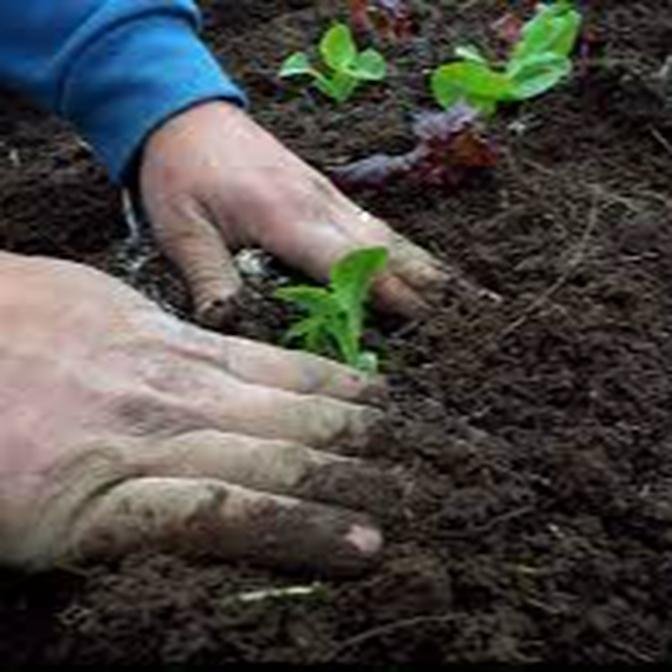
farmers move them into field rows,
spacing each plant wide.
Cauliflower needs room to spread
because crowded plants grow small, loose curds.
Water is vital to cauliflower.
Sprinklers shower the rows regularly
because a thirsty plant bolts or forms a
ricey grainy head. Steady moisture keeps the leaves broad
and the curd dense and
white. Within weeks,
broad blue-green
leaves spread across
the rows. The plants
grow tall and strong in cool weather,
drinking sunlight daily. Farmers watch
closely because strong early growth decides how big
and tight the curds will
become. Then
comes curding.
Cauliflower's
quiet magic.
In the center of the plant, tiny buds cluster into a dome.
Thousands of white florets pack tight.
A well-formed curd feels heavy and solid,
its surface creamy white and even.
Keeping it white
takes a special trick
called blanching.
Farmers fold the broad outer leaves over the young curd
and tie them shut, shading it from the sun.
Without this shade, the curd yellows and turns bitter.
Care continues through the season.
Farmers watch for cabbage worms and aphids,
the small pests that chew leaves and curds.
Many farms use fine netting and natural predators instead of chemicals,
keeping the crop clean.
Maturity
arrives
in 10
to 12 weeks.
When the curds feel firm, the florets are tight,
and the color is snow white, the field is ready.
Wait too long, and the curd loosens and flowers.
So timing is everything.
Harvest
is early
morning
work.
Workers cut each head with a sharp knife,
leaving a short stalk and a few wrapper leaves attached.
The heads go into crates
right in the field,
because freshness starts
at the moment of cutting.
Trimming follows immediately.
The large outer leaves are cut away,
revealing the tight, creamy dome beneath.
A well-trimmed head looks like a jewel,
and buyers pay more for a clean, neat head.
Then comes hydro-cooling.
The heads are washed in ice-cold water,
dropping their temperature fast.
This locks in the whiteness and crunch,
because warm cauliflower browns within hours,
while cooled cauliflower stays fresh for days.
Then comes grading.
Every head is sorted by size, weight, and tightness.
The largest, firmest heads earn the premium grade
for fresh markets, while smaller ones
go to frozen vegetables and processing.
Packed in boxes
and cooled fast,
cauliflower
travels far.
Refrigerated trucks keep it near freezing,
because even a few warm hours spoil the curd.
From field
to store,
the cold chain
never breaks.
In the kitchen, cauliflower shines roasted.
Tossed with spices and olive oil,
the florets crisp at the edges and turn sweet in the oven.
Roasted cauliflower converts even the skeptics.
Crunchy, nutty, and golden.
Cauliflower also stars in soups and curries.
Blended into a silky soup,
or simmered as gobi masala with tomatoes and spices,
it soaks up flavor like a sponge.
Few vegetables are this versatile.
Not all cauliflower is white.
Purple cauliflower brings color to the plate.
Orange cauliflower is rich in beta carotene,
and Romanesco grows in spiraling green cones.
Each variety has its own season and its own fans.
Nutritionally, cauliflower is light and mighty, rich in vitamin C,
vitamin K, and fiber, yet low in calories and carbs.
It has become the star of healthy swaps,
from cauliflower rice to pizza crusts that fool everyone.
From a tiny seed in a nursery tray
to a harvest that feeds the world,
the cauliflower story
is the story of farming itself.
And as the sun sets over the green rows, next season's seeds
are already waiting, because the cauliflower story never ends.