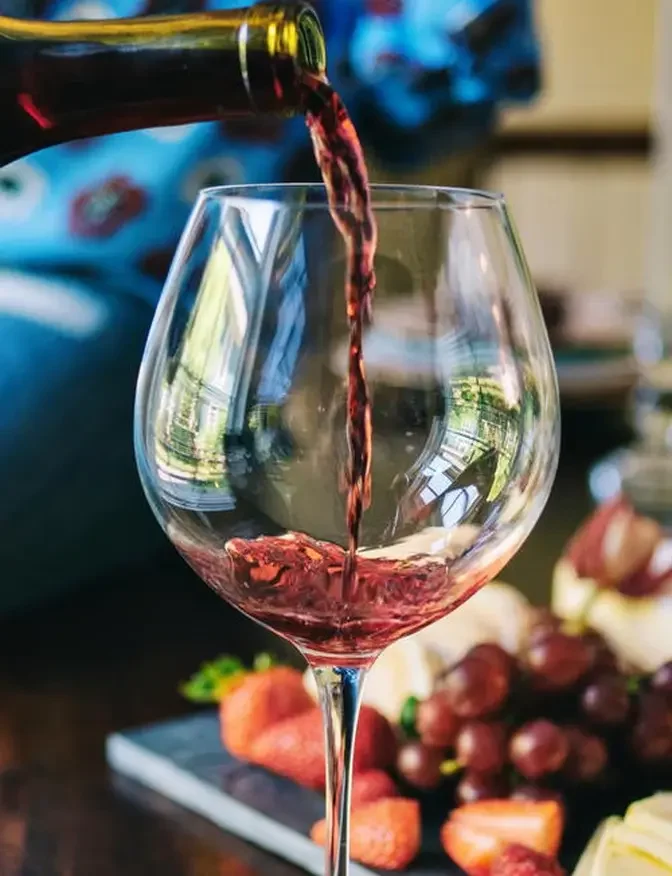
Barolo is more than just a village in Piedmont — it’s the birthplace of one of Italy’s most legendary wines. Known as the king of wines and the wine of kings, Barolo is produced only in the rolling hills of the Langhe, a UNESCO World Heritage site filled with vineyards, medieval villages, and breathtaking views.
In this video, we’ll take you through the heart of Barolo country: exploring the charming town itself, wandering through the famous vineyards, and discovering why Nebbiolo grapes thrive here like nowhere else in the world.
Whether you’re a wine lover planning a trip to Italy or simply curious about what makes Barolo so special, this guide will give you a taste of both the history and the experience.
Video 72 | La Morra, Italy & Barolo in the Piedmont region | Filmed August 2025
00:00 Intro 00:26 Quick History of Barolo 02:06 Castello di Grinzane Cavour 05:29 Lunch in La Morra 05:56 Cantina Mascarello 09:17 Quick Intro to Barolo Wine 10:02 Poderi Macarini 12:23 Dinner at Locanda Fontanazza 12:45 Saturday 13:02 Dosio Vigneti 15:51 Lunch 16:42 Vietti Winery 17:24 Borgogno 18:38 Dinner at Osteria More e Macine 20:00 Final Thoughts on Wine Tastings 20:36 Sneak Peak and Outro
AI Generated·May contain errors
Video Summary
AI Generated
A travelogue exploring La Morra in Piedmont, Italy, focusing on the production of Barolo, the \"king of wines.\" The journey delves into the history of the Nebbiolo grape, visits to historic castles and family-run wineries, and the strict traditional standards that define authentic Barolo, all while experiencing the region's scenic landscapes and traditional gastronomy.
In the hills of Piedmont, there's a little village called La Morda that looks straight out of a
painting. But what's it really famous for? Some of the best wine in the world, Barolo, which is also
known as the king of wines. We're going to be spending a weekend here to sip, swirl, and soak
in all of the views. And trust me, in this region, the scenery is just as intoxicating as its wine.
Let's get sipsy, y'all. All right, before we dive into some serious sipping, let's do a quick
little history check. But don't worry, we're going to keep it fun and light. But if history isn't
your thing, go ahead and skip to this timestamp here. So Barolo today, it's legendary. But back
in the early 1800s, Nebbiolo grapes, which are used to make the Barolo wine, were actually made
into a sweet dessert-style wine. So yeah, not the very bold, complex res that we drool over today.
Enter Louis O'Dart, a French winemaker who teamed up with the Marchese of Barolo and basically
flipped the script. And suddenly, Barolo was dry, powerful, and being poured at royal courts across
Europe, which is how it earned its epic nickname, the wine of kings and the king of wines. Fast
forward to today, Barolo still lives up to that royal hype and hefty price tag that goes with it.
But why? Nebbiolo grapes are notoriously fussy. They ripen late, they hate the wrong soil, and
they only thrive in these very specific Piedmont hills. Add in the legal requirement to age for at
least 38 months, and you've got wine that's rare, precious, and oh so worth it. Now, a quick Italian
language lesson for you. The word Nebbiolo literally comes from nebbia, which is the Italian word for
fog. And it's these chalky, foggy hills that give these Nebbiolo grapes the perfect conditions to
And because the vineyards are so small and fragmented, wines just a few kilometers apart
can taste totally different. Walking through the Lange, you're not just in wine country,
you really are in living history, where generations of tradition and innovation
have shaped every bottle. All right, that is enough talking. Let's go taste some history.
Now, I know that we are here for our big wine tasting weekend. We have four tastings set up,
we made it up here from Bologna in very good time, so we're going to go to a castle that has
an Enoteca in their basement. If you guys have been following us for a while, you know we can't
resist a good castle. We just went castle hopping basically through Slovenia in our last adventure,
and now we're going to go explore this castle here. Castello di Grenzane Cavour is a real-life
fairytale castle right in the heart of the Lange. Built way back in the 14th century, it became
famous as the home of Camillo Benso, the Count of Cavour, one of Italy's founding fathers and a very
passionate advocate for the Barolo wine. He basically put Piedmont wine on the map, and this
castle was his headquarters for experimenting and promoting the region's wines. Today, the castle
houses a wine museum, tasting rooms, and even a library dedicated to the history of Italian
viticulture. Of course, we're here for the fun part, tasting some of the region's finest Barolo
while soaking in the views of the Lange hills. And let's be real, sipping world-class wine from a
castle with this much history? That's the kind of experience that we live for. The castle is
eight euros to visit, and parking is available at the foot of the castle and in the parking lots
on Via Breccio. I knew they loved wine in this region, and there's a lot of roots in wine. I
didn't expect the castle to have as much about the region's wine. It's absolutely amazing. I've learned
so much just walking around and reading the different plaques here. I'm even more excited.
And now, the moment we've been waiting for. I'll tell you, reading about all that wine
definitely makes you thirsty.
Hello. Hi. So this is the first Barolo here in the region. I got a Nebbiolo, so we could compare.
Same grape in both. Nebbiolo, space grape. No, that's really good. So we finished the castle tour,
which as we mentioned, was so incredible. The history of the wine, just the integration of the
wine in the region. We saw a barrel making wood shop. Distillery in there too, so not even just
wine and all the history of the region as well, not just wine stuff. There was actually a map
that showed all the different types of grapes. Now with that being said, we're here to focus
solely on Barolo this trip, but there are literally dozens of wines that come from this region,
so if you're not a red wine fan, there's no shortage. Don't worry. I've had Barolo before,
but like she said, our first here in the region. Much more bold and it is still says 10 something
on my on my watch, so it's a little early in the morning for a bold red, but it's actually very
good. And my Nebbiolo is absolutely beautiful. It is light, delicious. Once we finish these
glasses, we'll be heading to lunch and then on to tasting number one for the day.
This castle also has an open air museum that takes visitors through a vineyard with signage
that you know you're looking at and you can learn more about wine. Super impressed. We really just
are like we knew the castle is going to be great. We knew there was wine. We didn't understand it
was this in depth and I'm so, so happy we stopped. Highly recommend the stop. Lunch was fantastic. We
got the tartar to split and then I got a pasta called Plin with a savory sauce. It was great.
I had a what's called a Tazarin, which is basically like tagliatelle. So kind of like
bologna pasta, but native to this region. So good. And now we are heading to tasting number one
today. So let's go. Cantina Mascarello Michele has been part of the Lange landscape since 1927
when it was founded by Maria Mascarello, a woman running a winery in the 1920s. That's almost
unheard of for that time. It was very bold and Maria set the tone for generations that followed.
Since then, the winery has remained family run for nearly a century, passing through the different
generations and staying true to its philosophy of producing the best small batch, high quality wines
for the individual wine lover. Beneath an 18th century house, massive oak barrels line the
underground halls where Barolo patiently ages, getting ready for its glass. And honestly,
there's no better place to taste it than right here, just above the cellar. For 35 euros per
person, we'll journey through six of their wines, starting from a young white all the way up to the
iconic Barolo Classico. This is phenomenal. We are with Alessandro. So we are tasting,
to my knowledge, six wines, but we are on wines five and six, and we haven't gotten a Barolo yet.
So I think wine number seven will be that. They are a smaller producer. They're only doing 140,000
bottles yearly. So far, everything we've had has been great. We're doing a side-by-side comparison
of Barbera, and Chris is going to quickly tell you what's going on with that. All right. So as Sam
said, we have two different Barberas here, exact same year, exact same grape. This one was aged in,
I believe, the much bigger barrel, whereas this one was in a much smaller barrel. So just different
aging vessels, essentially. This one is definitely more of a crowd pleaser, I would say. So it's a
little bit more drinkable, I guess you could call it. I think that's because it's in less contact
with the wood because it's in the bigger barrel, whereas this one with the smaller barrel is a
little bit more complex, a little bit more, I don't want to say in-your-face, just a little bit
stronger. Both very good, very unique to taste. The same grape, same everything, side-by-side,
just different aging techniques. We just got to taste their Barolo Reserva. Wow. 2018. To be
able to hold a Reserva of a Barolo, five years and two months has to be aged. Compared to the
regular Barolo, a little bit less tannic, to me at least, a little bit more drinkable.
The tasting we reserved was the Classical, as we mentioned earlier. Six wines, we've got nine. We
are also on foot today, so no judgment. This is not a complaint, I just want to say this. If you're
planning a trip to any winery, I mean any winery in Italy, if they tell you it's an hour, assume
it's two. We've had a delightful time with Alessandro. It is 3 30 and I do not think we're
even close to done. Plan for at least two hours at every winery you visit. Stop number one.
Bottle number one.
Shocker. Chris is disillusioned by how many bottles I'm going to buy. You gotta start
drinking them. True. That was fantastic. I love wine tasting. I also love wine tasting. It was a
great experience. I will say like kind of got to compare and contrast. Very neat. I think it was
worth every penny. We bought, I think it's a Barbera. This is the one I described as kind of
the crowd pleaser, the middle of the road. I can't recommend that stop enough. I thought it was great
and the reason we're based in Lamora is because of the epic event that we're going to have on
Sunday. So stay tuned for that. But it's also because it's walkable from one side of the town
to the other is maybe six minutes. We have another wine tasting coming up in about an hour.
All right. So now that we are here, you might be wondering what makes a wine a true Barolo. So
first it has to come from a very specific place right here in the Barolo region of Piedmont,
Italy. If it's not from this tiny corner of the world, it is not Barolo. Second, it's got to be
made with 100% Nebbiolo grapes. And there's no cheating here. No mixing in any other type of
grape. And third, patience is an absolute key. Barolo has to age at least 38 months before it
can even think about hitting the shelves. And 18 of those months need to be in the oak barrels.
If it wants to call itself a Reserva, it's aging for a whopping 62 months. So in short, Barolo
equals Nebbiolo grapes, Piedmont terroir, and a whole lot of time in the cellar. We've rested,
drank lots of water, and we are walking to tasting number two today. Next up, we're visiting Poderi
Marcarini, a family winery in La Mora that has been making Barolo for six generations. It all
started in the mid-19th century with General Sebastiano Marcarini, what an Italian name,
who began making Nebbiolo as Barolo for his own table and as a gift for receptions at the Savoy
Court. Talk about wine with the royal seal of approval. Over the decades, the family helped
shape Barolo as we know it today. From creating the consortium of typical wines of Barolo and
Barbaresco in the 1930s, all the way to pioneering vineyard-specific labeling, the Marcarinis have
always been just a little bit ahead of the curve. Fast forward to the 1990s, and Luisa and her
husband Manuel officially launched Poderi Marcarini, expanding the vineyards and modernizing
production while staying true to the family's tradition. And today, the next generation is
already stepping in, making sure that this Barolo legacy keeps on rolling.
He sat us at this massive table. We need like 10 more friends. I feel so lonely.
So we're going to be doing six wines. We've opted to do one white and five reds. The last three
will be fully Barolo, and we're going to do side-by-side tasting for what they offer here.
We are two for two on amazing tastings. And on bottles.
Chris is so happy. He brought me to another wine region. No, but that was a great tasting. Samuel,
if you're watching this, that was awesome. We had a fantastic time. So we had done, as I mentioned
earlier, the six tastings plus tour option. So the six tasters that we had were one white, and
then we had a Nebbiolo, a Barbera, and then three different Barolos that we kind of tasted side-by-
side. So it was really neat to taste again, kind of the comparison of the different Barolos. One
Barolo was from one vineyard, one Barolo was from a different vineyard, and then one that we tasted
was a blend of both vineyards. And that's the bottle that we got. We think the blend was the
best. But overall, a fantastic tasting. Now we're going to go drop the bottle off back at our
accommodation and then we're going to walk about 15 minutes outside of town for dinner. The good
news about this town is it is very small. So walking on the main road is not so dangerous,
which is a nice little change of pace. Locanda Fontanazza is all about Piedmont flavors. Rich
pasta, savory meats, of course paired with Barolo. This is the perfect place to wrap up our first
evening in the Lange. Good morning. We are off to go find, most importantly, coffee and food. We
had a later tasting this morning at 11 30. It's actually technically in La Mora, but up on a hill.
So let's go get some food so we can head to the tasting. Wine tasting number one today. Let's do this.
Perched on the ridge of La Mora, Dosio Vignetti has roots that stretch back to the mid-1800s.
But the story really took shape in 1974 when the Dosio family transformed this hillside farmhouse
into the winery that we see today. Since then, it's passed through different hands, but what hasn't
changed is a commitment to keeping things authentic, respecting tradition while looking towards the
future. The estate covers about 15 hectares and grows grapes from some of the most famous Barolo
vineyards. Just walking through the vines, you can see how the altitude, the soil, and the sunshine
give each wine its own personality. It's a great reminder of how much the land itself
shapes Barolo. Today, we're doing the Discovering Dosio tour, which starts outside with a little
history lesson in front of the old vineyards, then takes us down into the cellar and refining rooms to
see how their wines are made. And of course, it all ends with the very best part, a tasting of
four wines. This tour is a perfect way for anyone who's just starting to explore the world of wine
because you're going to get the basics on vineyards, winemaking, and aging techniques, all while
some truly exceptional Barolo. We just finished the vineyard tour and the cellar tour. We started
with some bubbles because I love how Italy always likes to start with bubbles. And now we're going
to get into the tastings. Leaving. Look at what Chris is carrying. Baby. Bottle number three,
winery number three. This winery was supposed to be a one-hour tasting. We've been here for
two hours. This is why, as I mentioned earlier, we spaced these out this trip because I've learned
from past mistakes. I loved this tasting. Got to go through the vineyard. We went physically
through the vines. Super cool. Bugs weren't cool. This view knocks your socks off. Honestly,
this might be the best view we've had from a winery with the mountains. And we also learned
that those mountains are from France. They're not even Italian mountains. They're French mountains.
They are from France. Yeah. Shut up. They are French mountains. They are not part of the Italian
mountain range here. But the wine itself, super good. We had so many. I thought this was only four
wines. We drank a lot more than four. How many did we have? It's seven in total. So we had one during
the tour. Kind of like a welcome drink almost. Three different Barolos. One of which is here in
the box. Yeah. Which, by the way, is a 2009. So we're super excited about that. We need to go
find lunch, which is not planned. Now, most of these little towns have between four and eight
restaurants per town. A lot of them feel more formal sit down. And we're kind of like feeling
pizza sandwich right now. Where are you at? That's where I'm at. I'm always there.
So we're going to go find a quick lunch. And then we have about an hour and a half
before our next tasting, which is at three. It's going to be impossible to see this on camera.
This thing is easily... I was going to say eight inches long.
There's just no appropriate way to talk about salami when it's this shape. But we're very
excited about it. We unfortunately had kind of a eat and dash situation. We paid the bill for
clarity. But we needed to eat really quickly. We had roughly a half hour to eat. And now we're
off to the next tasting. This is the last little tasting that we have today. It is at Viet Tea
Winery. I believe we're just doing a tasting. I do not believe we have a tour scheduled,
but I can't remember. So we will find out together. It wasn't our cup of tea. It wasn't our favorite.
It was fine. The vibe is something about the vibe. I don't know. The wine, in our opinion,
having just drank a bunch of it, just it didn't hit the same standard that the other ones did.
Like I said, the wine was fine. Everything was just that. It was fine. Our tour guide was lovely.
Beautiful location. Oh my God. Gorgeous location. 30 euros per person to do the tasting. We got five
wines, cellar tour, tons of history. I don't think from a wine perspective, it would be a
recommendation of ours. Agreed. We are going to go explore potentially one more town. We have
dinner reservations at eight. All right, guys, let's see where we end up. Let's go. We made it
to the town of Barolo, which is the OG town produced to the wine that we have been drinking
this weekend. This town is super small, but we wanted to stop by Barolo because this is where
all the magic started. They've been around for quite some time and the Barolo just proves it
because this is phenomenal. It's great. I'm drinking the Classico. Yeah, the Classico one,
where Chris has one from a very specific vineyard that they have. It's the most delicious and most
elegant, but it's quiet and it's just so good. But it is just an understated thing. It's beautiful.
A little bit tannic, like most of the Barolos, but not too bad. It doesn't overpower.
Those are great. We did not buy a bottle at Vietti, but we did buy a bottle here.
It was really good. They make such good wine. So we have just left Barolo and we're heading back
into La Mora to park for the night and then explore the town a little bit more.
We just watched one of the most beautiful sunsets from our room balcony and now we are heading to
dinner for the evening. This restaurant came highly recommended from our receptionist,
which was great because I had reservations there from when we booked this place.
So Chris got Cotto di Parma and Grotta and he is looking at it so longingly. I mean,
Dinner was awesome. Yeah, that was great. For my first course, I got a local dish. It was veal,
but it came with a tuna sauce. When I think of tuna, I think of the canned tuna from the state
and that's not at all what it tasted like. Mayonnaise heavy, but a little bit of a fish
flavor. Really, really good. It is very traditional for this part of the country.
And then for my main, I got the risotto with mushrooms. So good. And I had some pork. It was
fillet of pork. Delicious. Potatoes, vegetables. Very, very good. It was all very simple,
I felt like, but all very, very good and quick, easy. People were super nice. Beautiful setting.
We're right across the street. So if you can see behind us, this is basically what we had
at dinner. Beautiful. We are just recapping the tastings that we did. We both agreed that it was
our second tasting on day one, which is called. Podere Marcarini, just in town here in Lamona.
We think a lot of what goes into like what makes something your favorite is the experience that you
had. The wine was great and we had a fantastic time with our guide. He really took time to answer
all of our bajillion questions about Barolo. We were also talking about how our other kind of
favorite experience was at our last stop before dinner tonight. It was so good and I had not read
about the terrace. I didn't know they had a rooftop, so that was really unexpected and it
was gorgeous. Gorgeous view. So if you've enjoyed this content, wait, because tomorrow we are going
to do the famous Mangialonga here in Lamora. And if you have no idea what that is, you're just going
to have to stay tuned for a video next week where we're going to walk and drink through some vineyards.
Thank you guys so much for watching. If you really enjoy this wine content, we have a whole
playlist for you for our wine weekends in Italy. So make sure you check that out. Stay tuned for
our Mangialonga video, which will be coming out in a week or so, and you will find that link here.
Thanks for watching, guys. Cheers. Cheers.