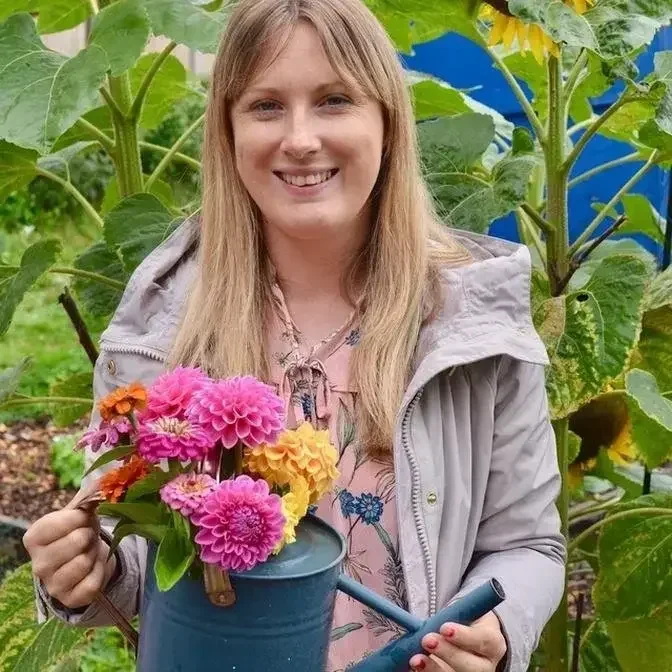
Emma shares the common mistakes she made as a beginner gardener at her South London allotment. She emphasizes that while errors are inevitable, learning from them helps save time and stress. Her advice focuses on pacing, proper planning, and understanding the natural challenges of allotment gardening to ensure a more productive and less overwhelming experience.
Good morning guys, welcome to my channel my name is Emma and these are my allotment diaries where
I share everything I know about my allotment plot here in South London. I'd love for you to
hit that subscribe button if you are new. In today's video I'm going to be sharing some of
the big mistakes that I made as an allotment newbie. Now we all know that mistakes are a
part of life and they're definitely a part of gardening, in fact they're a really important
part because in something like gardening you actually learn more from your mistakes than you
do from your successors and I'm talking from personal experience there. However when I first
took on my allotment plot I had very very limited gardening experience and so inevitably I made
quite a few mistakes, mistakes that I am now paying for six years later. So I thought I would share a
few of the biggest mistakes I made when I first took on my allotment plot as a complete gardening
newbie in the hope that you don't make those same mistakes and hopefully save yourself a little bit
of time and stress later on. So like I said when I took on this allotment I was very new to gardening,
I'd only grown a few things in pots in my rented garden and I really wanted a space that I could
kind of call my own and we had some allotments at the end of the road so I took one on. That's
really when my passion for growing my own food kicked in. I love growing flowers and I love
growing all sorts of things but food, so any vegetables, fruit, that is my absolute favourite
thing to grow so the allotment has just been an absolute dream but not without its challenges.
So one of the first mistakes that I made when taking on my new allotment plot was trying to
take on too much at once, trying to do it all. Gardening takes time and patience and if you
take on a plot which is completely overgrown like a complete jungle which is what mine was,
trying to do the whole thing in one go is just not going to work, trust me. It's so important
to pace yourself and the best way that you can do that is just to work on little sections as you go
and then either cover that section over when you've cleared it or build your structure as you
and plant into it. I still see people come to the allotment, take on a new plot, spend days and days
clearing the entire thing and then not putting in the structure, not covering it over, disappearing
for a week or even two, coming back and it's back to square one. Don't do it that way and it really
breaks my heart when I see the amount of work that some people put into clearing their entire plot
only to find it all comes back to weeds again. Another rookie error is that when I started to
build my allotment structure I did not build a dedicated space for composting. That is a huge
huge mistake. Now it might not be a mistake on your first year or even your second year but by
the time you get to your third year you're going to have a lot of crops that you need to dispose of
and weeds and you just you're really going to need that space. You might get away with it for
a couple of years but at some point all of those finished crops are going to have to have somewhere
to go. So if you can build a dedicated compost area as quickly as possible that's the way to do
it. A third silly mistake that I made, though I did stop doing this very quickly because I learnt
my lesson, was trying to grow things in containers. A lot of crops don't work very well in the ground,
for example carrots or even strawberries sometimes can be a bit of a nightmare when you're putting
them into the ground because they can spread like crazy. On an allotment plot what you need
to focus on is low maintenance. You need to keep things easy and the easiest way to do that is to
grow things directly into the ground. The problem with containers is that they dry out very very
quickly. You need to be here all the time and there's lots of tricks and tips that you will
find on the internet and I tried them all with my containers and let me tell you most of them dried
out. Containers are better I think in your home garden or on a balcony or on a patio but somewhere
where you have access to it most of the time. Of course the beautiful thing about containers is
that they're small, you can put them anywhere, you can grow some carrots on your windowsill in a
container so there's really no real need to have containers at your allotment plot. It's just so
much easier to grow things directly into the ground, they're going to get all that moisture,
they're going to get all of that goodness, all of the nutrients and also you can mulch over your beds
keep all that moisture in when you have heat waves. It's so much easier to look after so big no to
containers. Okay another mistake that I made very early on and probably I would I'm just going to
admit I continue to make is underestimating weeds. I still do this because come the springtime I've
cleared my allotment plot it's all looking fantastic and I just think there's no way this
bed is going to be overrun with weeds. It's so neat, it's so lovely, everything's been cut back,
I've got the little spring bulbs coming up, this is all under control, I've got this. Wind forward
a few months and the weeds are like jungles, they just come out of nowhere. I continue to
underestimate weeds. The best way of handling them and I always say this is little and often
using a hoe over your beds just to try and when they're really young and they don't get too big
on top of you and the roots don't have a chance to really root down. I think allotments are
notorious for really difficult weeds. I have brambles and bindweed here. I know there's
loads of people with loads of different troublesome weeds on their plots and yes they are really
disheartening and difficult. I will never get rid of brambles and bindweed on this plot and I have
made peace with that. I try to pull it out whenever I find it, I try to keep it under control but
ultimately I am going to continue to have bindweed and brambles here forever and that's okay. But
when you are starting anything new, any new bed, any new area, any pathway, do not underestimate
the weeds because they will come back to bite you. This is a really good recent example of me
totally underestimating the power of weeds. So behind all of this lovely bindweed, which is the
worst one by the way because it climbs, underneath this somewhere is a dead hedge which I made over
the autumn winter in the hope of keeping all the weeds away and putting some structure into the
back of my plot and obviously I've massively underestimated the weeds. Try not to make any
of your growing beds too big. You should be able to reach into your bed, into the middle of your bed
without stepping into it. If you make a bed that's too big that you can't reach the middle of, not
only are you going to have to step into it to harvest things and to weed and to plant but also it becomes
a little bit overwhelming, I'm not going to lie. I think personally bigger beds are more difficult to
look after. I think the weeds get too big, I think they require so much more watering, I think when
you mulch over them they require 10 times the amount of mulch as a smaller bed. I think it's
so much easier to have smaller beds. Then if one of your beds finishes and you don't want to grow
into it again you can cover it over, you can just you know shut it down for a few months. I think it's
easier to have a big variety of crops if you've got smaller beds, I think it's easier to handle.
I think there's a lot of advantages to making your bed smaller rather than bigger but the general
rule of thumb is that you should be able to reach into the middle of your bed without stepping into
it. Another huge mistake I made with my first ever allotment plot was not planning my year properly,
not planning my crops. That's actually why I created an allotment planner which I now release
every single year around October time on Amazon. Planning what's going to go into a bed after
something has finished is actually quite difficult and you need to be ready because you obviously
need to sow those seeds and have that stuff, those crops ready to go when your other crops are
finished. So it is quite a difficult complicated thing and it can really get on top of you so
making sure that you plan exactly what's going into your beds, when you need to sow it, when you
need to harvest it and what's going to replace it when it's finished is really essential to keep
your allotment plot productive for as long as possible. You don't have to purchase my allotment
planner to be organised but if you want to it is available on Amazon and a new one will be released
in October for 2027. Can you believe that? 27? What? But just planning what you're going to plant,
when you're going to plant it, especially if you're growing things from a seed as well because they
need time to grow before they can go outside. It just reduces that awkward period where you've
harvested something, cleared a bed and then nothing's in it and it just feels like such a
terrible waste. So it's good to always have something ready to go into a bed and that's
difficult, that takes time and practice and real organisation but I think it's something that
can be overcome with really good organisation and planning. Another mistake that I made was putting
a pond underneath the tree. Now I'm really proud of myself that I did actually think of the wildlife
straight away when I got an allotment plot. I really did think about putting flowers in for
pollinators, leaving some areas wild for insects and hedgehogs and one of the proudest things that
I've done is dig a wildlife pond, however the location that I chose for my pond is not brilliant.
Like I said, when I took on my first allotment I was a complete novice, not just at gardening but
kind of all things outdoory and naturey. I was honestly completely clueless, I was a Londoner,
through and through Londoner. So when I dug my first wildlife pond it was the winter time and
I knew I was putting it under a tree but I was thinking, oh this is getting a lot of sun
and that was because the tree didn't have its leaves yet. As soon as the summer came around
and the tree suddenly got all of its leaves the pond was completely in the shade and that's not
a great place for a wildlife pond to be. So I think that's just general planning but if you
are going to put in any kind of wildlife pond do make sure it's somewhere sunny and that I think
comes back to kind of planning your allotment efficiently. So sheds should really go into an
area that maybe gets a little bit more natural shade, doesn't cast shade over a neighbouring
plot. So it's usually the end that everybody else has got their shed so just sort of look what
everyone else is doing. Greenhouses need to go in the sun, ponds need to go in the sun,
crops that need a lot of sun need to go in the sun and then any beds that have like partial shade
that's where you're going to put things like potatoes and brassicas and some salad crops.
It's just about planning efficiently I think. And the last mistake that I would urge all
first-time allotmenters to avoid at all costs, possibly the biggest one, is do not underestimate
the slugs and snails. Sometimes even now six years in I will plant something out and I will
completely forget to protect it from slugs and snails and they will get your crops. Even if
something survives for two or three days you might think oh I'm safe now, this crop's going
to last forever. No no no, go and put something down because they will find it and they will
eat it. Having rows and rows of new crops destroyed and eaten overnight by slugs and snails is so
devastating. It's disheartening and it will just devastate you. So make sure that you do put the
protection down even if you think you don't need it. I'm telling you right now, you do.
Hope you found this video helpful. Taking on an allotment plot has been one of the greatest
experiences of my life. I love every second of it and mistakes are a part of learning so don't beat
yourself up. I have made so many mistakes and if you want to see them subscribe to this channel
and you will see all of the mistakes that I continue to make pretty much on a daily basis.
But we're all learning, we're all learning together and hopefully just these few tips
will really help you give you a good head start with your allotment so that you don't
get off on the wrong foot. Right hope you've enjoyed the video. Let me know any mistakes
that you might have made on your first plot so we can help out all those new plot owners
out there and I will see you in my next video. Thanks for watching guys, bye!