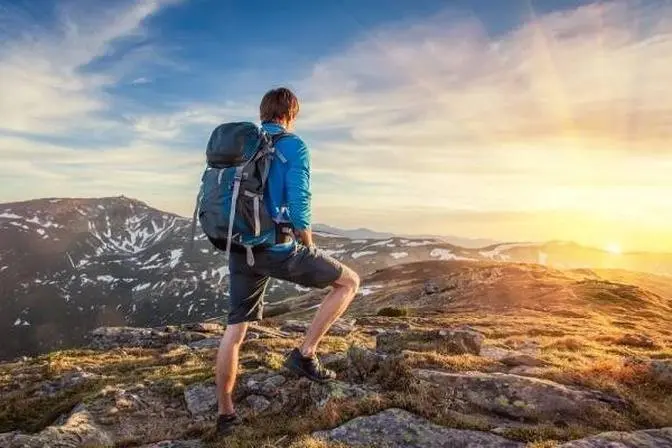
Between endless coastline, impossibly deep gorges, modern cities, and plenty of wildlife, Taiwan is the perfect destination for a week long road trip, visiting off the beaten path destinations, top attractions, and hidden gems.
We'll begin our road trip by driving through Taroko Gorge, a scenic national park known for its temples, stunning vistas, and challenging hiking trails. We'll then head to Hualien, the biggest city in the region, where we'll discover some artistic spots.
The next day we'll set off early, enjoying off the beaten path places along the east coast of Taiwan, making our way towards the Tropic of Cancer landmark. Along this stretch of coastline we'll encounter plenty of wildlife and even enjoy the postcard perfect Sanxiantai bridge and the three immortals island before heading to Chishang, where we'll learn more about the rice growing culture of the region.
We'll then head westwards where we'll visit Fo Guang Shan, one of the biggest temples in Taiwan. For the rest of our trip we'll explore Kaohsiung, one of the biggest cities in Taiwan, home to gems such as the Dragon and Tiger Pagodas and a railway museum. We'll end our time in Taiwan by relaxing on Cijin Island, wandering around and soaking up the ambiance of island life.
AI Generated·May contain errors
Welcome to Taiwan, which is probably one of the most underrated destinations we've ever been to.
We're currently on a road trip around the entirety of the island for the next seven days and we're
going to be bringing you along with us from sun-drenched islands to impossibly deep gorges
and bustling modern cities. In this travel guide, we're going to show you the very best of Taiwan,
including top attractions and hidden gems. And if you're wondering about Taipei,
then we have a whole other video all about it already on the channel.
Today, we're going to be exploring the beautiful Taroko Gorge in the Hualien region. This area
is known for its stunning scenery. Unfortunately, it was badly damaged in 2024 during a massive
earthquake and so a lot of the park remains closed. However, there are a few trails to explore and so
we're going to start by doing the one right next to the visitor center before we can actually end
up driving through the gorge because you can only drive through the gorge at certain times of the
day. The trail should take around an hour to around an hour and a half, depending on your pace.
It is really steep. You're walking up all of these flights of stairs through a lush green jungle.
En route, we've already seen lots of birds and butterflies and while the coverage is quite thick,
you can still make out the mountains beyond. It's really, really beautiful here, though you'll
definitely want to bring a lot of water. We also saw some monkeys on the road coming in,
so maybe we'll spot some in the forest. Even if you only make it as far as the visitor center
when you're in this region and you can't make it all the way up the gorge due to the road closures,
the views from this hiking trail are honestly spectacular and we can really get an idea of the
enormity of the gorge. We've made it almost to the top. We just met a really friendly tourist
on the route who told us that it's around 100 meters to reach the end of the trail.
From there, it's another two to three kilometers down a really steep, slippery slope in order to
reach back to the village. We're going to come back the way we came because we have to get to
the car by 10 so that we can actually drive through the gorge and see more of the attractions in the
park. The Decalin Trail was really beautiful, but I do recommend doing it in the morning because
you'll probably get the best lighting already. We're starting to see that it's becoming a bit
misty around. We saw monkeys, we saw butterflies. Do be cautious though because there's a lot of
monkey poo on the trail and there is the risk of hornets. As I mentioned earlier, as part of the
reopening and restoration process, you can only access the gorge road, which is Highway 8, a few
times a day. Now, when you go through, you have to go through without stopping. However, it's
definitely worth it and even as a driver, I really enjoyed all of the scenery. We're now at the other
end of the roadblock and to be honest, most trails are still closed. There are a few that are open,
but I do still think the National Park is worth visiting because look at this, the views are
simply spectacular. It's one of the most beautiful places we've been in Taiwan.
One of the main spots that's still open to visitors is the town of Tianzhang and this is
just after the roadblock. Here, you'll find normal things like restaurants and even a post office.
There's also an abundance of monkeys, so you do have to be careful with your things. We just saw
a woman get part of her bag stolen and there's even signs everywhere saying about how cunning
them cats are. Anyway, once you get here, I just can't even begin to tell you how stunning it is
in person. I'm sure it's coming across a little bit in the video. We can see a pagoda, a temple
and of course, the power of the water running through the gorge. Stroll across the very, very
large Pudu Bridge and you'll get to the entrance of the Zhangshi Temple, which is crowned by the
Tian Feng Pavilion, which overlooks the rest of the town. It's one of the few things in the park
that you can actually see right now and so we're going to climb up. The devastating earthquake,
which affected Hualien in 2024, resulted in 19 casualties. This was not the only tragedy to
as more significant typhoons followed, which resulted in further damage to the area.
It's really impressive how the National Park has managed to rebuild so much of the infrastructure
here and allow visitors to come back once more. You'll find that if you come at the moment,
we're here in spring of 2026, there aren't that many tourists because a lot of people are waiting
for reopening, but tourism is really needed and it's honestly so stunning. I really recommend it.
Because you can only drive through the parks at certain times, we've decided to leave at a time
where there's one hour time slot to leave rather than just five minutes so that we can go more at
our own pace and we don't have loads of people behind us. Already we're driving over the most
magnificent bridge. On your way out, do keep your eyes peeled because you don't want to miss probably
the most beautiful temple in the whole of the park. That is the Temple of the Eternal Springshine.
Hualien is not just the name of the region, but also the biggest city close to Taroko National
Park. Now as you can see, it's a little bit rainy outside, which to be honest is par for the course
here. It's one of the rainiest places in Taiwan, this area, and that is what makes it so green.
You'll definitely want to come prepared with a raincoat though. It was pretty rainy and so we
had a quick lunch at Rebase, an art cafe which feels like sitting inside an exhibition space.
I feel like you can tell it rains a lot here because of all these arcades,
but there is somewhere else you can go if it's a rainy day when you come to the city. Many places
across Taiwan have cultural parks which are former disused factories and the like that
have been transformed into creative spaces. Hualien is no different and there are a few
galleries here, as well as shops and breweries. The park is actually sat within a former winery
which once produced both red wine and rice wine. It's formed of over a dozen old warehouse
buildings, but as they were in the process of switching out exhibitions, there wasn't a huge
deal of things to see. The east coast of Taiwan is known for its stunning scenery and there are
a few different ways to explore the coast. There's basically two coastal routes which reach
from Hualien down to the south in Taitung and today we are going to drive alongside the sea.
The other way is to go through the East Rift Valley which is lush and green, but we really
want to see more of the sea. We're beginning the day at probably one of the most unique
Starbucks in the world because it's made out of old shipping containers. Now I wouldn't normally
recommend going to a Starbucks because there's so many independent cafes, but they have a lot of
cool merch that represents the shipping containers and it's honestly very unique to be in a cafe
inside a shipping container. Okay so now we've got our coffee for the day, let's head out.
In general, driving in Taiwan is just the same as driving in many other places in the world.
Most drivers follow the rules, stick to the speed limits and the roads are in really good condition.
The only thing to be wary of is wild monkeys and stray dogs.
Our first real stop on the way to Taitung is the Shibi Hill. This is essentially a little trail
up directly from the road. It is mainly steps but from the top I think we'll have a nice scenic view.
Now I have to say this is probably one of the easiest road trips we've ever been on.
There is parking everywhere, at every car park there are also toilets and it's all really well
planned out. You can't talk about the east coast of Taiwan without mentioning the indigenous peoples.
Now there are 16 officially recognized groups and they are an Austronesian people. When you're
driving around you'll find lots of signs referencing the indigenous people as this is of
course their land and there is a real ongoing effort in order to preserve their culture, tradition and
We're around three quarters of the way up and already the views are stunning.
We can see mountains surrounding us and we can hear the sea
either side because this is a little bit of land that juts out to sea.
The summit is pretty peaceful and we can even hear some crickets chirping.
We do have to get on to our next spot of the day though because it does get dark quite early
around 6pm so we've got a few more things to pack in before the end of the day.
Around a 25-minute drive from the previous trail you'll find another free to park car park.
Now you'll definitely want to stop off here because this is the entrance to a walkway which
leads to Ximen Cave. Ximen literally means stone door in Chinese and it's so called because it's
a natural stone archway which resembles a door. Now the area is particularly famous because it
The really cool thing about March Cave is that over thousands of years the sea has carved out
the rock meaning that three sides of the cave are open towards the land and one is open towards the
air and that's not the only thing of interest here because apparently a local guy just told
me that if I sit like this and pretend I'm driving it's shaped like a car. What do you think?
Another opening of the cave, well the ceiling one is allegedly shaped like a heart. The only
thing I would say before coming here is make sure to check tide times because obviously you can only
come to a sea cave when it's low tide because of safety reasons. I think what really strikes me
when I'm standing here beneath mist-coloured mountains and surrounded by rock pools which
are indeed filled with animals like little shrimps, the nature here is definitely a bit different from
what we saw yesterday in Hualien. I can't believe we've only driven a hundred or so kilometres and
yet we're surrounded by a lush tropical forest which is very different from what we've seen
before. This is also a great spot to see local fishermen at work and talking of those it's time
to head to our next spot. If you have extra time then you can actually follow a trail alongside
the coast all the way to Xitiping but we don't actually have the time because of all the things
we have to put in so we're going to head out in the car now.
Xitiping literally means stone steps in Mandarin and this area is also home to the Xiti fishing
harbour. Here you'll find a traditional fishing village. I think there are a few fish restaurants
but they're currently closed and there's obviously all of these gorgeous fishing boats in bright blue.
The Tropic of Cancer landmark denotes the spot where the subtropic ends and the tropic begins.
In Taiwan itself this means that the area we're heading to in the south is more tropical
and this is where fruits such as pineapples and custard apples are grown. If you head here on the
21st of June while the summer solstice then something very special happens if it happens
to be sunny. If you come here at midday due to the position of the earth there is no shadow
underneath this landmark at midday. After we passed the Tropic of Cancer landmark yesterday
afternoon quite late in the day it ended up raining pretty heavily and so we abandoned our
plans and drove to our hotel in Taitung where we woke up this morning and it happens to be blue
skies. Therefore we've decided that the East Coast Scenic National Area is definitely a spot we should
be exploring today so we're going to be exploring some of the areas around Taitung which are
particularly worth focusing on. Now when you look at postcards of Taitung then one of the first
things you'll probably see is the Sanxiantai Bridge. Now this is an eight archway pedestrian
bridge that leads over to an island of the same name. The island is steeped in legend and it said
that three immortals came down to earth and set foot on the island and that is why it's now home
to three peaks. We are super lucky with the weather today because it's even a bit sunny and
we can see blue sky which is not the case often in this region as we saw yesterday and so I'm
hoping we can get some really beautiful footage for you. Although the archway bridge is quite far
from anything else, for example it's around an hour from Taitung, I definitely think it's worth
the effort to come here especially on a sunny day. It's one of the most beautiful places we've been
in all of Taiwan. Ever since we crossed the Tropic of Cancer line yesterday I'm really shocked at the
sheer difference in all of the scenery. The plant species here remind me a lot of our time in
Okinawa, Japan which I guess is not too far away and which we also have a video on. Anyway it's time
to head onto the bridge itself. Often likened to a dragon, the eight arches bridge is over 300
meters long. It was built in the 1980s so I think it was recently renovated because a lot of reviews
from around a year ago said it was closed and it withstands the daily force of the Pacific Ocean
which means that it's quite an impressive feat of engineering. Now that we're on the bridge itself
we definitely have a bit of a different view and we can see just how blue the ocean is. You can
probably hear from the audio and see from my hair but it is incredibly windy here, you wouldn't want
to wear a hat. Sanshantai Island doesn't have any attractions or things to do but it is a very nice
island in the Pacific you can walk around. Now I'm pretty sure it's a tidal island so once upon a time
before they built this bridge people could come out at low tide or on a boat but now you can walk
across the boardwalk, enjoy some local flowers, plants and maybe even spy some birds. This island
I definitely recommend. We only just stepped foot here and we've already seen a skink the likes of
which I've never seen before because it had an orange red belly. The island is larger than I
expected and so if you want to come to this area, see the bridge, walk around the entirety of the
island you'll need two to four hours depending on how often you stop for photos. I've even just seen
that you can climb all the way up at the end point. We just came around the corner and there
are a lot of local fishermen who are actually catching quite big fish. We managed to
talk to them using google translate. They were really friendly and I said oh can we take a video
together and they ended up handing me like this massive fish but they were really nice and they
also said happy lunar new year. Now the real reason we came around the corner was to come
inside this sea cave. It looks to be quite large. It's really dark in here. I was a bit hesitant to
come in here because there was a sign saying watch out for poisonous snakes but it's really
cavernous and quite incredible that this has been carved out by the sea. Obviously you always have
to be mindful of tide times whenever you're near the sea but I really enjoyed getting to see the
wildlife in the rock pools. My absolute favourite was spotting a banded sea krait as well as an
angelfish. While I could obviously stay here all day and keep watching the birds,
enjoying the sound of the sea, we have other places we have to go to today so let's head on out.
Our next stop of the day is the gorgeous township of Qishan which is often regarded to be the garden
of Taiwan because this is one of the biggest rice growing regions in the whole of the island.
Approximately 1,200 to 1,500 hectares of land are dedicated to rice growing in this township alone
and there are two harvests per year. Apparently if you get rice in some of the restaurants here
it's some of the freshest in all of Taiwan. Another spot which is full of rice paddies and
is on the way to Taitung is Lui. Now this area is particularly well known for its two-story
water bridge. Because of the landscape of this area the water doesn't end up in some
of the fields here for the rice paddies naturally and so this ingenious
feat of engineering allows irrigation of the crops.
Today we have switched to the west coast of Taiwan. We made our way from Taitung this morning
all the way to Kaohsiung and we've stopped off on the way at the Fo Guang Shan Buddha Museum.
This is one of the largest temple complexes in all of Taiwan and it's apparently very beautiful.
What makes this temple so special is that there's a central promenade culminating in a giant golden
Buddha. Alongside the walkway you'll find eight pagodas and right at the end next to the big
Buddha there are four stupas. The temple complex is honestly so nice. There are actually a number
of different museums here and you're allowed to film and take photos of all of them. The only
place inside where you can't take photos are obviously in the shrines themselves which you
are still free to enter and admire. We've just come up now to the big Buddha terrace which is
so cool obviously because this is where the big Buddha is located but it also gives us a great
view onto the eight pagodas. Kaohsiung is the second largest city in Taiwan and home to its
largest port. It's very different from the capital Taipei as it's a city that is rapidly changing.
There's lots of innovative projects everywhere, lots of street art, hipster areas and more and
over the next couple of days we're going to be exploring this area including meeting someone
who actually lives here. We're beginning our time here in Central Park because our hotel is right
next to it and it's so called of course because it's centrally located. This is a serene green
space and makes for a lovely juxtaposition with what we're going to see next. Now for our next
stop of the day we actually have to head down into the MRT system which is really well developed.
You can get the metro pretty much anywhere touristic here in Kaohsiung and this will give us
a good idea as to the artistic development of the city over the past decade or two. Let's go!
Thanks to the repurposing of former industrial buildings as well as intentional city-wide
efforts in order to bring more artwork into everyday life, across Kaohsiung you'll find
lots of street art, installations and cutting-edge architecture and design. One such example of this
is the Dome of Light. This took four years to create and represents four different elements
including water, earth, light and fire. One of the most spectacular temples in Kaohsiung
is the San Feng temple which has over 300 years worth of history. It was moved to its present
location in 1971. Now it's renowned for its alleys of lanterns so let's go in and have a
look at how beautiful it is. One thing to note about this temple that we unfortunately didn't
get to see is it is renowned for its beauty at night when all of the lanterns are illuminated
and so if you're able to I definitely recommend going here in the evening.
Pier 2 is a district that is rapidly changing and you might be able to hear in the audio that
there are still construction works going on. Well this area is full of warehouses which were
no longer used for industrial purposes and so they've been transformed into bars, cafes and
galleries. The entire area is filled with beautiful street art and so it's really fun to wander around
on a sunny day such as today. This district is also home to several museums including the Hamaton
Museum of Taiwan Railway where you can ride on a miniature locomotive and you can visit a miniature
train exhibition. It's actually way slower than I expected but what do you think? This whole museum
is really fun. There is a section dedicated to foods on trains, there's another section
dedicated to history but I would say it's probably more geared towards young families
than anyone else although we do personally find it quite fun and now we're going to go see the
miniature trains in action. The first thing that really struck me when it came to the miniature
models is just how detailed they are, perfectly reconstructing entire sections of Kaohsiung and
even imitating day and night time scenes. There are other Taiwanese landscapes depicted too
which was pretty fun as we had seen some of these sites in real life earlier in the week.
We definitely could have stayed here for hours admiring all of the finer touches.
Before we head on to our next stop of the day we've decided to stop for a little coffee break.
This is a small hut next to some of the warehouses and we picked up some coffee,
a chocolate. The owner was super friendly so all in all a good stop off. One of the most iconic
places to visit in all of Kaohsiung, especially at golden hour, is the lotus pond. There are a
few places of interest here but the main things to do are to go inside the pagodas of the dragon
and the tiger. In the past a common tourist mistake would have been to enter via the mouth
of the tiger and this is something the locals wouldn't do because who would enter into the
mouth of a tiger? Now there is luckily a sign to help people avoid doing that so we're going to go
into the mouth of the dragon. The pagodas are each seven stories high that you can only climb
to the sixth floor. You can climb up either of them but I definitely recommend heading up the
one of the dragon because this has the better view onto the rest of the lake. The other benefit of
coming here just before sunset is that not only do you get to see the pagodas during the daytime
and wander around the inside because they do close at night but you can then stay a little after the
When it came to food and drink there was one spot in Taiwan that I definitely wanted to try
and so we walked around 25 minutes in order to reach our dinner destination.
Din Tai Fung is obviously a worldwide chain but one of the best places to get it is of course here
because this is where it came from and if you come to the branch in Kaohsiung you often have
Even though it's a bit on the pricey side I absolutely loved our entire
experience and all of the food. Because most of the dishes are made for sharing
you also get to try a huge selection of things making it a fun evening out.
It's a beautiful sunny day out and so it's the perfect time to head out on a day trip from the
Now this island is 8.5 kilometres long and is known for its sandy beaches and amazing
seafood. It's just a 10 minute ferry ride to get there from Kaohsiung
so we're going to hop on a ferry now.
Almost as soon as you step foot on Shijun Island you'll come to Shijun Old Street which is where
you can rent bikes and rosalies to explore the rest of the island. We have just come in front
of this stunning local temple which is full of intricate carvings. We're now going to head
up to the old fort. So our first stop of the day on this island is coming up to Kaohsiung
Lighthouse which has incredible views over the port. The lighthouse itself was constructed in
1883 and then rebuilt in 1918 and from here you can also get views onto the island itself which
is full of colourful houses. I should mention that today we are very kindly joined by our friend
Rami who lives here and how long have you lived here? I've lived in Kaohsiung now for two months
but before that I lived in Taiwan for two years in Taipei. Right now I'm teaching English here
and just kind of enjoying slow life. And you've been to this island before? I have been here a
few times already yeah. Obviously stamping is a very popular pastime here can you tell us more
about it? Yes okay so I got this stamp book that looks exactly like a Taiwanese passport
from the Chiang Kai-shek memorial hall in Taipei but you can find in other places too
and when you go to like touristic spots you'll often find stamps that you can just go ahead and
stamp them so it's pretty neat pastime. Let's see what the stamp gives us. All right so
oh there you go. It's the lighthouse!
So where are we headed to now? Right now we're headed to an old colonial Japanese era fort.
And then afterwards we'll head back down and get like a rosary and then do the rest of the island
and do the beach and get some coconut water. Yeah sounds good. How did you learn Mandarin?
10 years ago I lived in China for a year under a scholarship to learn Mandarin. It doesn't exist
anymore so I got lucky and came back to Canada there were eight years where I was like just
maintaining my language not really getting better and then when I moved to Taipei it was just sort
of like day-to-day living and now that I'm in Kaohsiung where like the level of English is less
than it is in the big big city like I'm getting to use a lot more and even starting to learn a bit
of Taiwanese which is really cool. So what does this say? So this says something along the lines
of like military installation do not go in if you go in injuries at your own risk or you can
just look at warning and be like I get the message. Chihu Fort was originally built during the Qing
dynasty in the late 19th century though it's best known today as a landmark from Taiwan's
Japanese colonial era. I think it's so nice to walk around with someone who can actually
read a lot of the characters because I feel like we're getting more cultural context that way.
Yeah and like there's so many tidbits like when she starts scratching beneath the surface
these characters are the characters for happiness xi and there's two of them so
and it's like double happiness typically you'll find them a lot in like marriages
like similar to those kind of little paper posters they'll have them there.
Night markets are really common to just sort of like go for a night out and they'll typically
have like a lot of food that you won't otherwise find a lot of stinky tofu a lot of seafood also
for example this one is a day market there's also like the distinction between day and night markets
and you'll usually find them sort of in touristy areas like this and for example you can get like
coconut juice a small one is for 100 the big one is for 150 which one do you want?
A small one.
They're all Taiwanese and what he's saying is that
he'll probably ask you to drink a bit of it so it doesn't overflow.
That's what I was doing just now.
Thank you very much.
I like all of the games too that's like really novel
to be able to play all of these different kinds of games you wouldn't see anywhere else.
So I'm not getting the big prize anymore.
It's been such a nice excuse to play these games having you here.
Almost because I would never play them usually because I'm like there are always scams.
Sometimes the vendors will sell coconut from Vietnam but this one like made it a
point on their signage to even say like those are only Taiwanese coconuts so those are local.
I feel like it tastes way nicer than a coconut water that you'd buy in the supermarket.
It's a bit like more savory.
Yeah 100% and like the way you're consuming it just adds so much to it
like it would be so much better than just drinking from plastic bottle right?
And now at the beach too on a tropical island.
Yes.
It's just the best.
Hello.
I feel like we're really getting the island vibes like it's all really laid back.
Everyone's really friendly.
Oh it's like super chill.
What made you decide to move to Taiwan?
Like I mentioned I studied Mandarin in China for a year and during winter break
I decided to travel around the area.
When I came back to China like I told myself like I really want to go back here
and it took me eight years but then I had the opportunity to come and study in Taipei
at the National Taiwan University and when I finished I kind of felt that
pace of life over there was a bit too quick for me and too career focused
and I just want something slower where I can like get to interact with people
and learn more about the culture.
And I traveled around the island after I graduated
and Kaohsiung just stuck out as a place that like is big enough to not be boring
but also where people are just so friendly
and like you notice that how people interact with you here is different from the north.
We've made it all the way to the end of the island
which I'm not sure we were meant to take the Rosalie bike to
but now that we're here we can see all of these traditional fishing boats and lots of dogs.
After enjoying a beautiful sunset on the island
it was then time to head back to the mainland by boat in order to go for dinner.
We ended up going to Yancheng First Public Retail Market
which is a recently revitalized space
featuring lots of different mini cafes and bars in an indoor market area.
We even got to meet a very popular cat
who probably wanted to taste our food more than anything else.
I have to admit that before coming to Taiwan I knew very little about this island nation
other than the fact that it's located in East Asia
and it's also a huge technology hub.
For example the camera gear that we're filming on right now was made here.
However over the course of the past week what we've seen
is an incredible destination filled with natural wonders,
futuristic cities and very friendly people
and I really regret not booking more time here
though that just means that we'll have to come back.
Thank you so much for watching
and don't forget to like and subscribe for more travel content.
See you next time!