
Duck Farming Investment: How to Make Money with Free Range Ducks
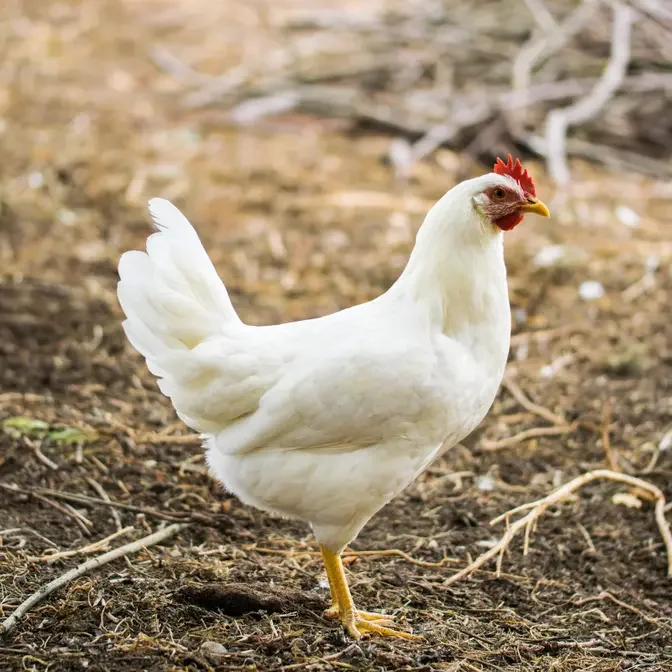
AI GeneratedMay contain errors
Today, we're diving into a unique and profitable investment opportunity,
free-range duck farming. In a developed market, where consumers increasingly value ethical and
sustainable food, raising ducks on pasture can be a smart business move. Free-range ducks are
a low-maintenance, high-yield alternative to traditional poultry, offering multiple revenue
streams. Before you invest, understand the benefits. Unlike factory-farmed birds, free-range
ducks thrive outdoors, which reduces your costs and increases your potential profit.
Low-maintenance, ducks are naturally hardy and more resistant to common diseases. They require
less intensive care and simpler housing. Reduced feed costs, free-range ducks are efficient
foragers, eating insects, slugs, and weeds, which lowers reliance on expensive commercial feed.
Higher-value products, ethically raised free-range duck meat and eggs command a premium price
in local markets, restaurants, and specialty stores.
Every profitable business starts with a plan. Choose your breed. Select a breed that aligns
with your goals. For egg production, Khaki Campbells or Indian Runners are top layers,
producing up to 300 eggs a year. For meat, Pekin ducks are a classic choice, due to their fast
growth. Muscovy ducks are dual-purpose, offering both meat and eggs. Start small. Begin with a
small flock of 50 to 100 ducks to test the market and refine your process.
Housing and water. Ducks need a predator-proof shelter for night and protection from the
weather. Access to clean water for swimming is crucial for their well-being and natural behaviors.
Health and biosecurity. Implement a strong biosecurity plan to protect your flock.
This includes regular health checks and good sanitation practices.
There are multiple ways to generate income from your free-range duck operation.
Premium eggs. Free-range duck eggs are a niche product that sells for a high price at farmers'
markets and to bakeries. Their rich yolks are highly sought after.
High-quality meat. Free-range duck meat is a delicacy, and you can sell it directly to
consumers or to high-end restaurants. Direct-to-consumer sales through a farmstand or
online can significantly increase your profit margin.
Ducklings and breeders. After establishing a reputation for healthy birds, sell ducklings
or mature breeding pairs to other farmers. Natural fertilizer. Package and sell nutrient-rich
duck manure to gardeners and organic farmers. This waste product becomes a valuable income stream.
Profitability depends on efficient management and smart marketing.
Analyze your costs. Track your expenses carefully, especially feed costs, which can be up to 70%
of your production costs. Utilize the duck's foraging ability to minimize this.
Market your brand. Build a brand around the free-range, ethical, and high-quality nature
of your products. Use social media to share your story and connect with customers.
Conduct market research. Before you start, research your local market. Are there restaurants
or stores that would be interested? What are consumers willing to pay?
Scale gradually. Starting small minimizes your initial investment and allows you to grow as
you gain experience and a customer base. Free-range duck farming offers a rewarding
and profitable opportunity for those seeking a sustainable and ethical investment.