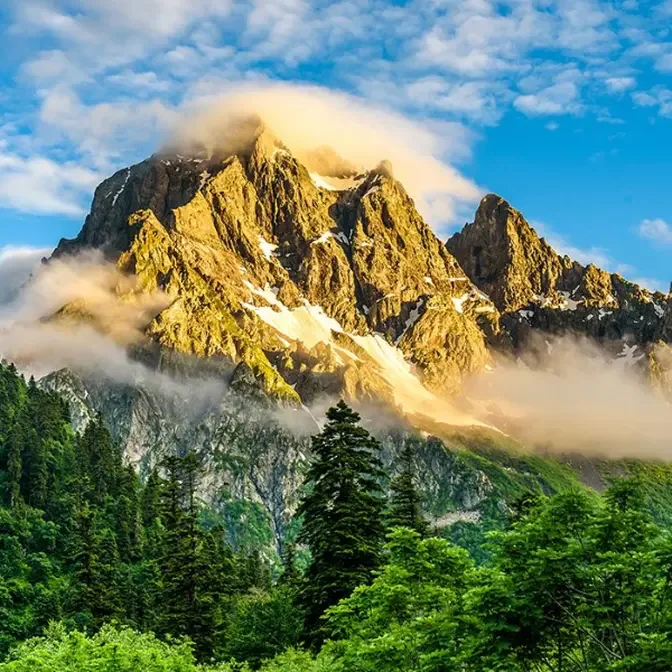
Looking for an exciting adventure to explore the Earth's polar regions? Join us in this fascinating video as we take a deep dive into the North Pole and South Pole and uncover the unique differences between these two extreme environments.
In this informative video, we will explore the geography, climate, wildlife, and people living in these regions, and compare and contrast the stark differences between the North Pole and South Pole. From the freezing temperatures to the stunning auroras, there is so much to discover about these fascinating regions.
So, get ready to pack your bags and embark on a thrilling journey to the polar regions with us. Whether you are a nature enthusiast or just curious about the world we live in, this video is sure to offer you an exciting and educational experience that you won't forget. Don't forget to like, share, and subscribe to our channel for more exciting content!
AI Generated·May contain errors
Video Summary
AI Generated
This video explores the fundamental differences between the North and South Poles, highlighting that while they may seem similar, they are unique in terms of geography, climate, wildlife, and accessibility.
Welcome to this exciting video where we explore the differences between the North Pole and the
South Pole. At first glance, you might think that the poles are identical, after all, they are both
located at opposite ends of the Earth, right? However, as we'll discover, there are many
differences that make these two polar regions completely unique. Before we get started,
if you're new to the channel, be sure to hit that subscribe button and turn on notifications so you
Firstly, let's talk about geography. The North Pole is located in the Arctic Ocean and is
surrounded by landmasses like Canada, Greenland, and Russia. On the other hand,
the South Pole is located on the continent of Antarctica and is surrounded by the Southern
Ocean. This geographic difference makes a big impact on the climate, wildlife, and overall
experience of visiting each pole. Speaking of climate, the North Pole and South Pole have
vastly different weather patterns. The North Pole experiences an Arctic climate, which is
characterized by long, dark winters and short, cool summers. Meanwhile, the South Pole experiences
an Antarctic climate, which is known for its extremely cold temperatures and high winds.
In fact, the coldest temperature ever recorded was at the South Pole, where it dropped to a
staggering minus 128.6 degrees Fahrenheit, minus 89.2 degrees Celsius. Another major difference
between the North and South Poles is the wildlife that calls each place home. The North Pole is home
to animals like polar bears, arctic foxes, and walruses. These animals have adapted to the harsh
climate by growing thick fur and blubber to keep warm. Meanwhile, the South Pole is home to animals
like penguins, seals, and whales, which have adapted to the icy conditions by developing flippers and
streamlined bodies to help them swim and survive in the water. But perhaps the biggest difference
between the North and South Poles is the human experience of visiting each place. The North Pole
is relatively accessible and can be reached by ship, plane, or even on foot, if you're brave enough.
In contrast, the South Pole is extremely remote and can only be reached by a challenging journey
by plane or ship, followed by an arduous trek across the frozen terrain. As a result,
visiting the South Pole is a once-in-a-lifetime experience that only a select few get to enjoy.
Finally, let's talk about some of the fascinating stories and discoveries that have come out of the
poles. The North Pole has a rich history of exploration, with famous names like Robert
Perry and Roald Amundsen being among the first to reach this remote location. Meanwhile, the South
Pole is where the heroic explorers of the early 20th century like Ernest Shackleton and Robert
Scott ventured to in order to discover the secrets of the continent. Both poles have been the site of
scientific research for many years, and continue to reveal new discoveries about our planet and
the universe beyond. In conclusion, the North Pole and South Pole might appear to be identical at
first glance, but as we've discovered, they are vastly different in terms of geography, climate,
wildlife, accessibility, and human experience. Whether you're an intrepid explorer, a wildlife
enthusiast, or a lover of history and science, there's something to discover at both of these
polar regions. So why not start planning your own polar adventure today? That's it, we've reached
the end of the video. If you made it this far, you're one of the best people out there. Before
you go, make sure to give us a like to let us know you enjoyed the video. And if you have any
questions that pop into your head in the middle of the night, feel free to leave them in the comments
below so we can answer them for you.