

Josef Strauss - Dornbacher Rendez-vous-Polka, Op. 107 (1861)
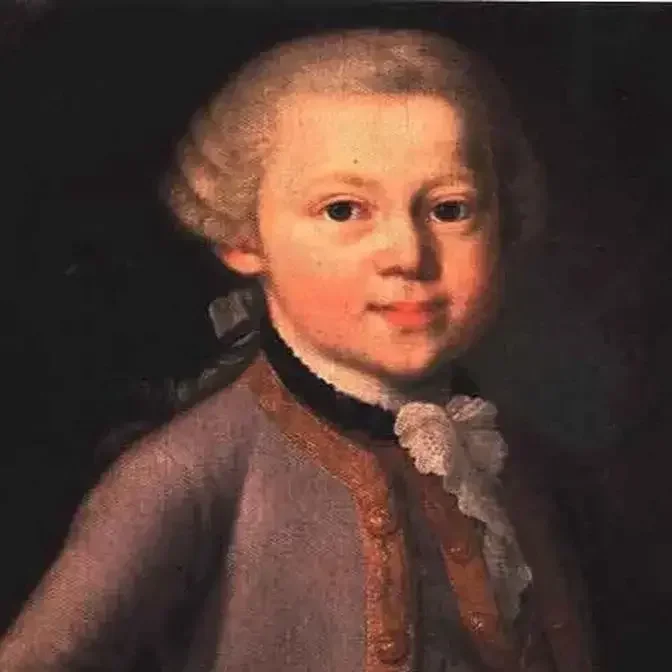
Josef Luckhardt Strauss (20 August 1827 – 22 July 1870) was an Austrian composer. He was the brother of Johann Strauss II and Eduard Strauss. His father wanted him to choose a career in the Austrian Habsburg military. He studied music with Franz Dolleschal and learned to play the violin with Franz Anton Ries.
Please support my channel:
https://ko-fi.com/bartjebartmans
Dornbacher Rendez-vous-Polka, Op. 107 (1861)
Slovak State Philharmonic Orchestra conducted by Walter Hilgers
Dornbach is a district of Vienna. In 1892, the formerly independent municipality was incorporated into the 17th district of Hernals in Vienna, together with two other western suburbs of the capital. Today, Dornbach is one of 89 Viennese cadastral municipalities. Nobles and wealthy citizens built villas and/or summer houses in Dornbach. In 1861, a bath was also built in Dornbach, which existed until 1920, and the introduction of a horse-drawn tramway on 4 October 1865 also connected Dornbach with Hernals and Vienna in 1866.
Josef Strauss wrote 283 works with opus numbers. He wrote many waltzes, including: Sphären-Klänge (Music of the Spheres), Delirien (Deliriums), Transaktionen (Transactions), Mein Lebenslauf ist Lieb' und Lust (My Character is Love and Joy), and Dorfschwalben aus Österreich (Village Swallows from Austria), polkas, most famously the Pizzicato Polka [It] with his brother Johann, quadrilles, and other dance music, and also some marches. The waltz The Mysterious Powers of Magnetism (Dynamiden) with the use of minor keys showed a quality that distinguished his waltzes from those of his more popular elder brother. The polka-mazurka shows influence by J. Strauss II, where he wrote many examples like Die Emancipierte and Die Libelle.
Josef Strauss was sick most of his later life. He was prone to fainting spells and intense headaches. During a tour in 1870, he fell unconscious from the conductor's podium in Warsaw while conducting his 'Musical Potpourri', striking his head. His wife brought him back home to Vienna, to the Hirschenhaus, where he died on 22 July of that year. A final diagnosis cited only decomposed blood. There were rumors that he had been beaten by drunken Russian soldiers after allegedly refusing to perform for them one night. A specific cause of death was not determined, since his widow forbade any autopsy. Originally buried in the St. Marx Cemetery, Strauss was later exhumed and reburied in the Vienna Central Cemetery, alongside his mother Anna.