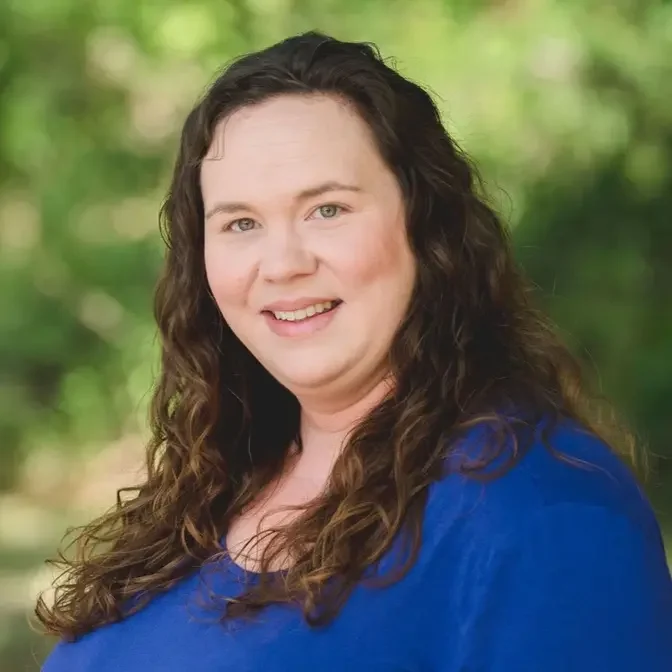
Getting fit while homeschooling full time looks different than most fitness routines. In this video I’m sharing my weight loss journey, my current strength training routine, and the habits that help me stay consistent as a busy homeschool mom. I also talk about the shift from losing weight to maintaining it and my goal of building muscle before 40.
⚠️ 𝐅𝐓𝐂 𝐃𝐢𝐬𝐜𝐥𝐚𝐢𝐦𝐞𝐫 Most of the products featured on my channel have been purchased by me. If I have products sent to me for review or if I partner with a company (e.g., as an affiliate), I will disclose it in the video and/or description. Amazon affiliate links are provided for your convenience and your purchases on Amazon may contribute a small amount to my channel. All opinions and reviews that I share are ALWAYS entirely my own.
Hey everybody, welcome to the Walkway. I'm Jessica. Today's video is going to be all about homeschooling
full-time while getting fit and healthy. This is a journey that I have personally been on for the last
four years, so this is something that I have personally experienced. I've gone through every
step of it and we're just going to kind of chit-chat all about all of the things I've
done in the past, what I'm currently doing, and I'm going to be answering some of your questions. So
if getting healthy and fit while homeschooling full-time is something that you are passionate
about, buckle up because we are going to dive deep. Okay, first let's start with a little bit
of a backstory. I began this journey in 2022, which was right around January, so we are talking
right around the four-year mark at this point. I was 280 pounds and a size 26-28. I'm going to say
ish on all of that because I was already kind of on the journey for about two and a half months
before I ever stepped on a scale. I didn't know what I actually weighed. I didn't want to know.
It was just one of those things that scared me. And as far as clothes went, I hadn't shopped in
a very long time, so I'm sure my sizes probably were not realistic either. But basically, we're
going to just say for all intents and purposes, by the time I actually cared enough to pay attention,
I was weighing in at about 280 pounds and I was a size 26-28. I'm also 5'4", in case you're
wondering. So that was very, very large for my frame. I was exhausted. I was absolutely exhausted.
I had knee surgery when I was 14. I had recently watched my mom go through a knee replacement.
The pain and everything that I watched her do was something that I never want to have to go
through. But I was like literally thinking to myself, you already have bad knees. You had
surgery when you were 14. You're putting way too much weight on your knees as it is already.
And then we got sick, very sick over the holiday break. And I like literally couldn't walk across
the house without being winded. Between my mom's knee surgery and me being so sick that I could
hardly walk, I knew that it was time that I did something. And so I did. I did not overhaul
everything overnight because I had tried to do that in the past and it had blown up in my face
every time. I started with very, very small baby steps and I didn't even tell anybody that I was
like going to be doing anything. Because I knew if I failed, I would disappoint everybody. So I
didn't say a word. I simply quit drinking soda and started drinking water. I had been sick,
so it wasn't like a big deal. Nobody really said anything or noticed. I just was kind of like,
that doesn't taste good anymore. And so I just swapped that. Like that's all I did for at least
a month as I just drink more water and less soda. After that, I started asking Kevin if we could go
on walks. The weather was really great. It was coming into like early spring, February, March.
And so it wasn't anything crazy. Like it was like around our block. We don't really live in a
neighborhood kind of thing, but it's like maybe a quarter mile. And we would just do that in the
evening as a family. Short, sweet, again, nothing drastic, nothing that really made anybody question
anything. After that, I started incorporating more fruits and vegetables. I didn't really
change what I was eating per se, but I made sure that I had more fruits and vegetables with my
meals. Like with dinner, instead of just a potato, I was like, hey, can we have some green beans or
broccoli or carrots or whatever? And I would eat even portions of that instead of just eating like
twice the amount of potato I would have eaten before. And then slowly, eventually,
after about six months of me just kind of like making these little teeny tiny improvements on
my own, I hired a coach who happened to be a really good friend that I had met here online.
We both homeschool only children. So I knew that she would kind of like know the logistics of my
life. And she would be realistic with the time that I had and not expect more than I could give
because I was like, look, I work full time from home. I'm homeschooling an only child. And she
knew that because she did all the same things. So I hired her. She had me learn to count macros and
eat based off of macros. So she does macros for me. And I very much was it if it fits, you can
eat it. Like if I wanted a Reese's cup, I would make that Reese's cup fit. And she was totally
in support of that. She never judged me for that. And I really think that was a big part of how
and why I was able to stick with it for so long because I never denied myself anything. If I
wanted it within reason, I would have it and I would make it fit my macros for the most part.
And she was absolutely okay with that. She had me start doing bodyweight exercises because I mean,
I had a lot of weight. So we did things like I did things like squats, incline pushups. And when
I say incline pushups, I mean, like I was standing straight and pushing up off of a wall. That was
my incline. That was the best I could do for a very long time. And like step ups, and my step
ups were like one step to like six inches. But that's what I did. Eventually, I fell in love
with strength training. I like I don't love it. Nobody loves working out. If they tell you they
love working out every single time they work out, they're lying to you. There are times I love it,
but I never loved doing it all the time. But I fell in love with feeling strong. I like feeling
strong. I had never felt strong in my own body like ever in my entire life. And I like feeling
strong. I like hitting PRs. I like lifting heavier. Eventually, after a few years after
Kevin realized I was pretty serious about this, we built a home gym in a shed. Best thing we
ever did because the closest gym to us is over 37 miles away. So that was never going to be
convenient. And we were able to insulate it and put an AC heater unit thing in it because before
that we were working out on our porch, which meant in the winter in the summer, I was very unlikely
to work out I did sometimes but it was a fight like it was even more of a struggle. And that
made it a little bit easier for us. I attempted running, running was something that was not for
me. My niece said no, they didn't like it. I never ever hit the runner's high that they say you get
and never happened for me. So I quickly changed to cardio being just simply walking with weight,
which is rucking, or rebounding because those were both low impact for my knees. Those are two
ways that I really like to get my heart rate up. But I didn't do that until probably at least two
to two and a half years into my journey because simply walking and strength training was more
than enough cardio because I was that out of shape. You just have to do it. You're going to
have to figure out a way to set time aside for yourself and know at least in the beginning
that taking care of yourself is not selfish. Self care is not selfish. It's going to make
you a better mom. It's going to make you a better homeschooler in the end. It's not going to feel
like that at first. But I promise if you will just set aside the time to do it, it will like
even now there are times when Emily will be like you didn't work out today, did you because I'm
okay. So I just need to know that eventually you're going to see the fruits of your labor.
It just might not happen at first. So you're going to have to just just do it. Just schedule
it with yourself. The only way I will get my workout done, whether that's the walk,
whether it's strength training, whether it's rebounding, whether it's working is to do it
before we homeschool for a couple of reasons. Number one, if I don't get up and do it first
thing, then the day is going to go sideways. We're going to get into a homeschool project.
It's going to last long. It's going to be dark outside. It's going to be dinner time. I'm going
to be tired. Something is going to happen and I'm not going to get it done. I mean, occasionally,
occasionally I might actually work out five or six p.m., but it is very rare in nine times out
of ten. If I don't do it first thing in the morning, I am least like so much less likely
to do it. So I had to get up 20 to 30 minutes earlier. I made my workout short. Kristen knew
that that was my coach. She helped me make them short. I was like, look, I have 20 or 30 minutes.
This is what I'm willing to dedicate, make it work. And we did. Working out first thing in the
morning protected my workout from the homeschool chaos. It meant that it was protected. It meant
that I was getting it done before the day kind of started, before everything hit the fan, before
project started, before we went down rabbit trails and deep dives. And I got lost in it
because homeschool is also my job that tends to take over the rest of the day, right? We're doing
homeschool, which leads into my work time, and that kind of all just became the whole rest of
the day. So doing it first thing in the morning protected that. Eventually, I learned that doing
it first thing in the morning made me a better person. It gave me more energy. It adjusted my
attitude. I came into homeschool like ready to work, ready to shine. I was better equipped mentally
and emotionally and physically to handle whatever the day, but mostly homeschool threw at me,
especially, Emily, as we came into between and teen years with the hormones and the emotions
raging. I was more balanced. I was more level kill, and I was ready for whatever happened that
day. If things went off the rails, I was more equipped to handle it. Before, I was definitely
not equipped to handle it. I honestly cannot imagine having come into the middle school years
in the same mental, physical, and emotional state that I was in previously. Had I not
prioritized myself, I could have seen our relationship struggling in our homeschool
so much more because giving myself that 20 to 30 minutes in the morning saved us. It saved my
sanity, and it saved our relationship. Hands down, there's no doubt in my mind. So learn to find a
make time for yourself because I promise it will return tenfold if you do. Another way that I
maintain my health and my fitness while homeschooling full-time is to meal prep. If I
don't meal prep, I'm not going to eat. That sounds bad. I don't forget to eat. I just get busy, and I
don't do it. Do I make sure Emily eats? Absolutely. Will I skip lunch to read aloud or to get a math
lesson done or to do whatever? Every single time. It will never fail. But if I spend an hour on
Sunday meal prepping for the week and making sure that I have smoothie ingredients prepped so that I
can drink a smoothie at least while I read aloud or whatever it is I'm going to have for lunch that
day, if I have it prepped and all I have to do is grab it and eat it, I will make sure I am eating
a healthy meal every single day. Otherwise, I will either not eat, skip it all together, or I'm
going to grab the quickest, most convenient thing I can find, which is probably going to be junk
food. Like bag of chips? Yes, sign me up. Trail mix as a healthy alternative? Yes. But we both know
that that is not the best thing that you should be doing. So take 30, 45 hours, 60 minutes,
however long it takes you. Sometimes it takes me about 30 minutes depending on how much I meal
prep and because sometimes my meal prep will literally be like if I'm really in a hurry, I can
take deli meat and cheese and make roll-ups and throw some pretzels in like a little container,
put it in the fridge, and I know that I have something that's high protein, finger food that
I can eat while we're doing homeschool, some carbs to give me energy, and I'm good to go. Like I can
make something small like that and it'll take me less than 10 minutes to meal prep it. If I'm really
busy, I can set aside at least 10 minutes to know I'm going to have something somewhat healthy for
meals for myself. So again, you're going to have to set aside that time to know that you're getting
something in. And if you're meal prepping for your kids already because that is one of the most
underrated sanity time saving hacks ever is to meal prep for your kids so that they can just
go grab their little thing out of the fridge whenever they're hungry. It's homeschoolers
because I don't know if you know this, but homeschoolers, they eat a lot like constantly
around the clock all the time. So meal prep for them as well. Like make however many boxes that
will fit in your fridge for them and just make yourself a set too so that you can grab one as
well and have something healthy for your body, for your energy to maintain so that you don't
hit that afternoon slump that I know we all hit when we're homeschooling. Another thing that I do
is I keep a water bottle or cup with me all the time. Get a cute one. Get something that doesn't
spill for heaven's sakes because you do not want it to spill on your planner or your curriculum or
whatever. It will break your heart. Don't ask me how I know that. But find something that you can
keep with you that's easy. I mean I have a 32 ounce. That is about my favorite size at this
point. 40 ounce is just too much to lug around. It's too heavy. It's not convenient. It's big.
It's awkward. 32 ounce is my favorite. I like the hydro jugs because the straws will like pop up and
then they close and they don't spill at all. That is my new favorite, favorite cup ever. I own like
six of them in really, really cute colors. I'm weird and I coordinate my cup to my phone case.
So right now my phone case is red and my cup is also red. It makes me happy. And if it makes me
happy, I am more likely to carry it around, which means I am more likely to drink more water.
So find a way to do that yourself. Again, we are quick to make sure that our kids have the food
that they need and that they have the water that they need. But we tend to always forget ourselves.
So find a way to make that happen. To just be smart about it so that you're carrying your
water around in a way that's not going to jeopardize your planner and your curriculum.
And then last but not least, is to find a way to sneak in neat movement. So those non,
like that non-activity, like your actual non-exercise activity. For me, for a long time,
I would read pacing back and forth, like when I would read a lot of pace back and forth in the
living room. Or I would stand when I was doing lessons with Emily instead of sit, just because
standing exerts more energy. You can kind of, you know, wiggle back and forth. You can, I don't know,
do jumping jacks, whatever your kids can handle. Now I have an under the desk bike. I've had an
elliptical and a bike throughout the years. The bike is my favorite. My knee, I would say,
likes it better. My knee gets a better workout from it. But, and I use that now when I read aloud
because I started to, the more thicker novels I started reading with Emily, I feel like the font
gets smaller and smaller. And pacing with small font makes me a little woozy. And so now I sit,
but I have an under the bike desk. So I just sit on the couch while we do our whole basket time,
which means that I'm pedaling for about 45 minutes a day. Now, does that count as my workout? Is that
like, oh, I did that. I'm done for the day. No, that to me is just extra. It's a way to get in
more movement when I would otherwise be sedentary. So I am using that during read aloud times. I'm
using it when I'm on the computer. If you have a ability to do a walking pad, that would be great.
I can't walk and type at the same time to save my life. I'm not graceful enough for that. I've
tried, it doesn't work. But whatever you can do to sneak in extra movement, whether that is just
standing while you read aloud instead of sitting, or if it's pacing, or if it's, you know, swaying
back and forth when you're preparing meals, whatever it is that you can do to sneak in a
bit of extra movement, because I know that as homeschool moms, we tend to be sitting a lot
during lessons. Do that to sneak in the movement. You'll be thankful for it. Okay, so we've talked
about kind of a little bit of my background, what I did. We've talked about the things that are the
most important while homeschooling full time. So now let's talk about what I am currently doing.
Some of the things that I'm currently doing are I am strength training three times a week minimum,
three to four is the sweet spot for me. Three is my minimum, four is normally my maximum.
I've done five days a week, that's too much life happens, and I miss one, and then I always feel
guilty. Currently, if I'm in a busy season of life, I will do three full body workouts, because
at least then I know I hit everything one, you know, three times. If I'm not in a super busy,
and I'm able to get four in a week, I'm doing two upper body and two lower body, typically
a upper push and upper pull. And then two like days, both with some glutes, but one more quad
focused and one more hamstring focused. And that is kind of my sweet spot for strength training.
It's what I go back to over and over and over. Other than that, my goal is always somewhere
around 8000 steps a day. I mean, would 10,000 be great? Yeah, do I hit that sometimes? Yeah,
but I'm also realistic. A lot of what I do is sedentary. I'm sitting a lot when I'm homeschool,
I'm sitting a lot when I'm working. 8000 is my like minimum that I like to hit. Obviously,
10 is 10 to 12 is what I would hit if we like specifically go for a walk, or a rock, but eight
is my minimum every day. For cardio, I do know, like high intensity cardio, I do nothing that
has high impact or high intensity, it's not happening. rebounding and rocking are my two
favorites because they are low impact, they're not going to hurt my knees and my ankles, I don't feel
like I'm going to die physically after them. So that is my favorite there. As far as nutrition,
I am typically prioritizing protein, and mostly whole foods. I am not currently eating in a
deficit. I'm also not currently tracking. I have come out of a deficit. I am working on maintenance,
which is probably who has been a very, very big shift for me. We'll talk about that a little bit.
But I'm not tracking my food. After three to four years of tracking. I want to break if I'm being
honest. I've also learned a lot about foods and portion sizes. And I feel very confident
that I can maintain the weight that I have lost without having to track. So I'm not tracking
what I'm doing instead is just prioritizing protein, making sure that I'm having protein
in every meal, making sure that I'm eating the protein off my plate first. And then making sure
that I'm having whole foods with that. So you know, fruits, vegetables, that kind of thing.
And obviously, still drinking as much water as possible. Okay, after four years of making an
effort to live a healthy fit lifestyle, let's talk about some of the things that have gotten easier.
And then I want to talk about some things that have gotten harder. So things that have gotten
easier. The first one is the food noise. The food noise has gotten quieter. And it has taken me a
long time to get there. Like that is not something that happened overnight.
But then, and if you are not somebody who struggles with food noise, you won't understand
because it almost is an addiction. Like it is such a hard thing to explain. I couldn't have
even understood it or explain it to myself. When I was in the thick of it. It was only when I was
coming out of it that I started to realize that like this wasn't normal for everybody.
But the food noise that I love that I live with that I dealt with on an all the time everyday
basis, feels like somebody has turned the volume down on it. And I think that is because
my relationship with food in general has gotten better. I learned how to use food as
fuel for my body and not as something for emotional and stress eating and just because
it felt good or it tasted good in the moment. And that was like, that was something that took
me years to do. And so what's also gotten easier, obviously, is my relationship with food, it's a
like, I no longer label foods as good and bad. There are foods that make me feel better. And
there are foods that make me feel worse. And there are foods that I should eat in moderation,
because eating a lot of them will make me feel worse. But they're not good and bad, right? Like,
I can have cookies and not feel guilty about it. And that was, that was a very, very big struggle
for me for a very long time. But that has gotten a lot easier for me. For example, Kevin and I can
go on a date night, I can eat fried foods, I can eat whatever I want, I can even have a drink.
And I can come home and I can know that if I get on the scale the next day, it's going to be
elevated. Because that's what happens. It's extra, you know, sodium and it's inflammation and all
these things. And it doesn't hurt me physically, mentally and emotionally anymore like it once did.
What else has gotten easier is that drinking water is automatic for me, I may not always
hit 100 ounces or a gallon a day. But drinking water is just an automatic thing. Like that is
my go to drink. When I go places, I order water, extra, extra lemon because most restaurants tap
water is gross. So I have to have like a whole bowl of lemon, but I no longer order a soda,
or even him haul around like there would be a lot of times I'd be like, I really don't want
now it's just a water with lemon, please. When I go to the you know, when I go to the fridge to make
my drink, it's a water. I mean, sometimes it's flavored, but it's pretty much water like that
is my default automatic drink. It's not there's not even any thought process happening anymore.
So while I may not drink a gallon a day, for the most part, the only fluid that I am drinking
is water. I'm planning ahead has gotten a little bit easier. So for a long time, it was like
a struggle knowing that I was going to be gone from the house and then I would leave the house
and then I would wish that I had brought food with me or I wish I had meal planned on Tuesday
when I was skipping lunch again, or whatever it was. But I feel like it has gotten easier because
once you do certain things for so long, they become habits and habits obviously make things
easier. So planning ahead, and those habits are just like almost ingrained. Now, I know I'm going
to work out three or four times a week, like there's no questioning what I'm going to do.
Even if I haven't sat down and written out my workouts, like for the most part, I've done the
workouts so much I can probably muscle memory do them in my sleep. I know if I'm going to be
gone from the house for hours and hours and hours, at the very least, I need to grab a protein bar
because I'm going to regret it if I don't. If I have to swing through fast food because I don't
have another choice, I'm going to feel like crap and I'm going to wish I had brought a protein bar
instead. Nine times out of 10, we travel with a gallon of water in our car. Like that seems weird,
but we're bougie about our water. We only like Zephyr Hills. I don't want to have to drink
water from anywhere else if I don't have to. Like I will be happier if I drink Zephyr Hills
because I like that. It makes me happy. So we travel with a gallon of water or sometimes gallons,
depending on how long we're going to be gone. These are all things that are automatic now,
though. Like we don't even have to think about them. The planning ahead has just been come
ingrained in our family. Like it just happens. And then the last thing that has become easier
is being more active. Obviously, that is part habit, but it's also part it is easier to move
my body. And I don't just mean in a way that's like because I work out, like my body is physically
smaller. I weigh less. It hurts less to move my body. So for example, if Kevin and I would go on
a date night before, like four years ago, he would drop me off at the door because walking from the
car to the door would physically hurt me. Like I would be in pain. It was hard for me to do that.
Now we go on a date night and I'm like, hey, can we go like to downtown St. Augustine or CityWalk
in Orlando? And instead of just going to one place, I'm like, let's do a crawl. Like we'll
eat an appetizer here. We'll walk for a little while or eat something else here. We'll do you
know, like if we're going to eat, let's add movement. And with it, I'm the one suggesting
that, like I'm the one wanting to do that because it's easier for me now. It doesn't hurt me to do
that. Physically moving my body is easier. And so I'm finding just anything that requires movement
has become easier, like getting in the floor to wrap Christmas presents and getting out of the
floor. Or like I said, walking more, going for the distances, not needing to stop as often. Like
it's just, it's easier in general to do those things. Okay. Now let's talk about what is still
hard. Even after four years, these are the things that are still harder things that I still
personally struggle with. The first is being consistent. When life gets busy, it, you would
when life gets busy, when we have a lot on our schedule, when it is like crunch time for work,
when everything is getting nuts, it is still so hard for me to struggle with consistency.
I don't know why after four years, when things get really, really busy, I still will revert back to
not working out, drinking soda, unfortunately for the caffeine to stay awake and moving and
doing the things I need to do. Um, eating prepackaged crap because it's quicker and easier.
And the thing is I can convince myself of all of these things, right? It's quicker. I need
the caffeine. I don't have the time to work out, but at the end of the day, I feel like crap.
I'm tired. I can't move as much like all of these things. And I know this. And the minute I finally
get unbusy and get back to everything, I feel so much better. And I promised myself every single
time, you're not going to do this next time. But when I get busy, when life gets hectic,
when I get stressed, I still revert back to the non-consistent bad behaviors. And so that is
something that is still really, really hard for me to struggle with. I only struggle with it about
two, like two to three times a year, maybe. And I mean, it's when times like get really,
really, really stressful, like really crazy, but it is still definitely a struggle for me.
The other thing that I still struggle with that is still hard is protein. Yes, I prioritize it,
but I swear it will never become easier to eat the amount of protein you're supposed to eat day
in and day out. I can tell you that water is an automatic thing. Protein is still not. I still
have to make an effort to reach for it. Meat is not my favorite thing. There is nothing that you
can tell me that is high in protein that I crave or I desire or I want. Carbs, I could eat carbs
all day long. Fruit, eat fruit all day long. Vegetables, I could probably eat vegetables all
day long. If I have a choice, like if you were just like go to a buffet and eat anything you're
craving or you want, it will never be a high protein anything. That is something I have to
force myself to do, which is why I say that even though I'm maintaining,
I'm still trying to prioritize protein because that's not something that comes naturally.
Kevin and Emily, those two are carnivores. If I was to tell them we're having a salad for dinner,
they're like, yeah, on the side with what? They could go on a carnivore diet and they would be
happy. They would both eat steak and bacon and eggs and live the rest of their lives.
Thrilled. Me, not happening. It's just not happening. There is no protein that I crave.
I'm never going to be somebody who's like, I want a steak. I want a burger. I want, no,
I want fruit. I want carbs. Give me potatoes. Just give me all the potatoes and give me all
the fruit. The rest of it, you can keep to yourself. I don't want it. I don't care.
So eating the amount of protein that I need is still hard. It's still a struggle. It's still
going every day at every meal because there's never one that I want. That is still something
I have to make a consistent effort at all the time. Also, I find it really hard to make time
for recovery. That seems silly because I'm quick to be like, if I'm busy, it goes away.
But when I'm not busy, taking the time off to recover, having a rest day is still a struggle
for me because rest days just like, I feel like I need to be doing something. So having a rest day
is still just a struggle. And that's a mental thing. That's something I will probably struggle
with forever because I feel like I spent years resting. Now I need to not rest. And so that's
its own mental battle that I will have to fight forever. The last thing that is still really,
really hard for me, one that I really struggle with is the discipline when the motivation is
gone. Like it is always so easy to be on fire and doing the things that you need to do to be
healthy and fit while you're homeschooling full-time and juggling all the balls when you're
motivated. When that motivation fades and you're relying on discipline, I don't know that I'll ever
not struggle with that. I mean, obviously I have somewhat built the habits. I know what to do. I
know the motivation is going to fade. I have to count on the discipline and be disciplined to get
it done. But that is still such a struggle. Like I really prefer when I'm motivated because it's so
much easier than when you have to revert back to being disciplined and making yourself do it.
Anyway, that will probably always be hard. Okay. Now let's talk about the biggest shift and my
goals for the next like year ish. I think it could be longer than that, but that's what we're going
to talk about now. The biggest shift for me lately in my health and fitness journey, since we're
going to be personal about all this, has been going from becoming fit and healthy and losing
weight and eating healthier and all of that to now maintaining. For one, even admitting out loud
that I am now fit and healthy feels weird because I spent so many years, like literally almost 40
years, not being fit and healthy that being like, you're here, you've arrived, has been a weird
call to even say like, you're done. That in itself was like, I just, I can't explain it. It's a very,
very weird mental transition. And then I've spent four years like chasing something. Like it felt
like I was running a race. I wasn't necessarily always chasing a lower number in scale or a
lower number in pants. Although those were things that happened along the way, but I was chasing
something, right? I was chasing the healthier and the fitter version of me. And part of me knows
that this is something that I will do for my whole life. But another part of me is like,
your race is done. And now you did, like you've crossed the finish line. Now you just have to
like, walk it off for the rest of your life. And that is a very, very weird transition to go from
being somebody who's chasing something to just being like, okay, now I just have to maintain
what I've won. It's weird. Maintenance is mentally different. It's physically different.
Going from eating a certain amount to being like, you can eat more than this, and it's okay to eat
more than this. Being okay if the scale fluctuates more than it normally has in the past. Not
tracking anymore. Like I've done all of these things for years. So it has been like a very,
very big transition for me. And like, it's been a mental, I don't want to work to be smaller
anymore. I want to be stronger now. And that's, I don't know, that's just different. It's something
that is my goal for 2026. I want to basically maintain the weight that I've lost. I want to
maintain the health and fitness that I have built. But I also want to recomp. I want to stay at the
body fat loss that I have. I don't necessarily care if my weight itself stays where it's at.
But I don't want to gain any more body fat. But I do want to work on gaining muscle. And that is
one of the reasons why I've come out of the deficit and hit maintenance. Because I know that
I need more calories to be able to build more muscle. And so that is my main goal for at least
the next year is to maintain my loss as far as my fat loss, not necessarily the scale number.
But I want to maintain the fat that I've lost while still building muscle. And so I want to
become not the smallest version of me, but the strongest version of me. In 2027, I will turn 40.
And so basically, my goal kind of going into all of this was always to be the fittest version of
myself at 40. And that is why that's my goal for the next year is I'm going to work on coming out
of the deficit, eating at maintenance, building muscle while maintaining the fat loss that I have
already lost. Okay, last, I'm going to answer some rapid fire frequently asked questions,
ones that you guys have asked me over and over and over again on social media. So hopefully,
this answers everything. If you have more, leave them in the comments, and I will do my best to
get to them. How much weight have you lost? I started at 280 pounds ish. Again, I'm currently
weighing in at about 148 ish. So I have lost approximately 130 pounds, I went from a size 28
to I'm currently I'm wearing somewhere between a size 579, like somewhere between a five and a nine
or six and 10. Depending on the brand and whatever, that's where I'm at clothes wise.
How long did that take? It's taken me four years. And the crazy thing is, the closer you get to the
goal, the harder it becomes. So like the first year, I did the least and lost the most. I think
I lost almost 40 pounds the first year. And like I said, that year was the year that I just barely
switched soda for water. Like I literally did the least and lost the most. The second year,
I lost 10 pounds less than I did the first year, but it took more effort. The third year, again,
I lost a lot less, but it took a lot more effort. And then the last year, same thing, I lost
a lot less, but it took a lot more effort. And so that's not something else that's really hard
is to be like, wait, I lost so much that first year, and it barely took anything for me to lose
is I had to be okay with that. So the more that you lose, the closer you get to your goal,
the harder and harder it's going to become. So know that going in, but it's just going to
continue to take more and more for you to get there if weight loss is your goal.
How many calories did I eat? Did I track macros and how much protein did I eat? Okay. I approximately
ate somewhere between 1,700 and 1,900 calories pretty much the entire time. I would almost
always eat closer to my maintenance calories the week of my period. It was always ravenous. And so
I was always just okay with the fact that maintenance just meant I didn't lose weight
that week. And I would almost always give myself an extra two to 300 calories that week. Yes,
I tracked my macros for the most part all the time. Listen, I fell off the wagon. I think there
was twice that I literally put back on almost 20 pounds in the four years. It was bad. It was
horrible, but did it? It happened. It is what it is. So did I track my macros and eat my calories
and hit my protein? Yes, most of the time. Was it perfect? Absolutely not. My protein was typically
between 120 and 150 grams. There were times when I was very, very serious and was hitting closer
to 175, but 120 to 150 was much more realistic. Do you do cardio? Yes, my cardio has always been
walking, rucking, or rebounding. I did run for a little while. We did a 5k every month for a year.
That was a family goal. That is not something that I did for cardio. That was just because it was a
family goal and my goal was to improve my time. And by improving my time, I mean I went from like
an 18 minute mile to a 14 minute mile. I was not a fast runner by no means.
Do you take supplements? Yes, a few. I actually pulled them out to show you guys. The first thing
that I take currently is the GNC vitamin pack. This is for the 30 plus because this is convenient.
You guys, I'm all about convenience. Basically, this one little package is all of my vitamins for
the day. I don't have to worry about multiple things, buying multiple things. I just buy this
box. It has a stress support complex, a cell protection complex, a beautiful skin support,
a bone health blend, and a multivitamin. It has a little bit of everything in it. Like I said,
I don't have to think about it. I buy this and I just take that a day. Other than that, I typically
do an LMT electrolyte packet once a day. Specifically, I never skip this if it's in
the summer. But normally, I try to get one a day and in the summer, I'll sometimes even do two a
day. My favorite flavors are the watermelon and the orange. Kevin likes the grapefruit. I don't
love grapefruit, but I will occasionally drink that one. I'm also doing the Better Hormones.
I like the caffeinated version. The one I do is strawberry lemonade.
I don't get caffeine in a lot of other places, so I like that I can have this early afternoon
and it helps pick me up. I actually look forward to this because of that caffeine,
so it gives me a reason to drink it. I've been doing this for about four months now.
I want to say it helps with the hormones, but I also have endometriosis and polycystic ovarian
syndrome and I'm entering the perimenopausal era. Maybe it's helping, maybe it's not. Who knows?
The hormones are all over the place either way, but it definitely can't be hurting. Again,
it's a way for me to get caffeine in. Then I also do creatine and collagen pretty much every day.
Normally, I just mix this with something else. If I'm having an LMT or if I'm having the Better
Hormones or whatever, I'll just throw a scoop of collagen and creatine in with it. I do at least
five grams a day of this and then one to two scoops a day of the collagen. Vital is the one
that's the easiest for me to find at Costco and Sam's. Same thing, this is the creatine we get
from Costco. Those are the supplements that I take on a regular all-the-time basis pretty much daily.
How do you stay consistent as a homeschool mom? I treat my workouts like an appointment. They are
scheduled. I can't miss them. I do that before we even start homeschooling so that they're done and
out of the way. I keep my workouts as efficient as possible, meaning that I will either have them
short so that I'm in and out or I do full body so that I know, okay, I'm in here a little bit
longer but I've hit everything. Then for cardio, I like for my bang to be as big as possible,
like the biggest bang for my buck, which is why if I'm walking, I put a weighted vest on to get
more out of it. Then same thing with rebounding. I feel like I'm getting more out of that and that
is a really big mood changer and enhancer too. Sometimes even if it's the middle of the homeschool
day but I need to shift my mood, I will go jump on the rebounder really quick. Same thing for Emily,
Allison, her out there. She needs to shift her mood too. Then just like I said, having a plan,
treating it like a schedule. It's non-negotiable. I wouldn't cancel an appointment if I had it with
somebody else so I'm not going to cancel the appointment on myself. What was the biggest
mistake that I made? I don't know that anything that I did was a mistake because everything
was a lesson that you learn along the way. I think probably the biggest mistake was trying to rush it,
being too hard on myself when I fell off the wagon or when I would try to get back on the
wagon trying to go back to doing everything all at once and then that would never work and I would
fall off again. Trying to do too much, trying to rush it, being too hard on myself, not giving
myself enough grace. I think when I would remember to do baby steps, small things and give myself
grace, I always made more progress. I think realizing that this isn't a quick fix, this is
a lifelong thing changed my perspective and that helped a lot. How do you handle cravings?
First, I make sure that I've done something with protein so I know that I'm full and then I will
try to give myself something within the realm of that craving. If I'm craving something sweet,
can I get an apple? Can I have some grapes? Then if I still really want whatever it is I'm craving,
I'm just going to have it for whatever reason. For example, if it's a Reese's and yes,
we keep Reese's in our house because that's Emily's favorite treat and I've had some protein
so then I know that I'm actually not just hungry and I've drank some water and I had a handful of
grapes or whatever so it's not just me craving sugar but I actually want the Reese's, I'm just
going to eat the Reese's because it's not going to be the end of the world. If I'm truly actually
craving that snack, I'm just going to eat it. I don't make up for it the next day, I don't work
out extra, I don't do any of that, I just eat whatever it is I'm craving within reason. Same
thing with a bag of chips. However, what I don't do is take the whole bag, open it up and sit on
the couch or the TV like I used to do. I will take whatever I'm craving, I will make it a reasonable
portion, take it out of the bag, put it in a bowl or something and I will have a reasonable portion
size. That helps a lot. I get to have what it is I want without eating a ridiculous amount that I
didn't need of empty calories. I think it's probably the you eat what you want but you also
make sure you eat what you have. I saw somebody do that one time, they made a plate and they're
like, okay, I want some chips so they put some chips on their plate but they're like, but I need
some protein and something healthy. Then they put, I think it was some lunch meat and fruits and
vegetables on the plate or whatever, raw fruits and vegetables. Seeing it like that was like,
okay, you can still have what you're craving but make sure you're also eating what your body
actually needs and not just what it is you're craving. That's kind of how I treat it. You can
have what you're craving but also still eat what your body needs which is like the protein and
healthy carbs and healthy fats. What does a typical day of eating look like? Typically,
I have something light before I work out. I'm not somebody who can work out fasted so that might be
applesauce, rice cake with peanut butter, dates with butter, with salt. That sounds gross but
it's really good. A small thing of yogurt with granola, something that's enough for me to work
out. Not fasted but not so much that'll make me sick. Typically, after that, I have a protein
smoothie when I come back in. For lunch, it's normally something light, some sort of chicken
salad or chicken dip or lunch meat with cheese, something kind of light. I'm not a big lunch eater
so I like something that looks refreshing and easy to eat. Normally, it's something that I've
meal prepped, something I can just grab out of the fridge and go with. Then dinner is almost
always a protein with a vegetable of some kind, typically also potatoes because I really like
potatoes. Sometimes, we'll do rice or pasta but I don't really normally eat. Not because I don't
eat it but I don't really care for rice at all. If we have rice, I just eat double veggies.
If we have pasta, sometimes I'll just do a veggie pasta because to me, it doesn't really
taste any different. Again, it's not that I don't eat pasta. If I just go to Olive Garden,
I'm eating pasta. I would just rather save my calories for something else. Then I always,
always, always have dessert. That's a non-negotiable. Typically, I try to have a
high-protein dessert, so a protein bar that I personally think tastes like candy or a protein
pudding or a Yasso bar or something like that, like the ice cream bars. I like having dessert
every night. I look forward to it. That's never going to change. Also, I feel better if it has
some sort of higher protein in it. Then when I wake up in the morning, I don't feel as nauseous.
If I don't have protein before bed, then I feel nauseous in the morning from low blood sugar,
probably. I like to have some sort of high-protein dessert. That's what a day looks like and it
looks a lot like that every day. Let's see what other questions. Do you ever binge or overeat?
Yes. I do that a lot. I don't do it a lot anymore. I did it a lot in the very beginning.
I had to heal my relationship with food, you guys. I need you to hear that. My relationship
with food was broken. It was very, very bad. Yes, the first two to three years is when it
was the hardest for me. I binge-eat a lot. I gave into cravings. I fell off the wagon a lot.
Well, there was two things. The first thing is I read an analogy somewhere
because I was really bad about like, oh, I gave into my craving and I ate a Reese's. We're just
going to keep this as an example. Then because I gave into my craving and had a Reese's or the
chips or whatever, it was like, well, I've messed up this whole day. Then, oh, I messed up this whole
day. I might as well just give up for this whole week and not track this whole week. Then if I
didn't track, I would just do whatever. I would fall off the wagon. Anyway, I had seen an analogy
somewhere that was like, if you were to get a flat tire, you wouldn't be like, screw it and
stab the other three tires. That really resonated with me. I made it very clear to Emily and Kevin
how much it resonated with me. They would even occasionally reel me back in by saying, do we
have a flat tire? They were never mean about it. They were just always like, did we get a flat
tire? It would be enough to remind me to reel myself back in. It was okay to go off, but we
get back on track. Then also the other thing that resonated with me was just because you have a bad
day or a bad week or a bad month or whatever, the only way you fail is if you don't try again.
Because if you quit, if you quit, you fail. Otherwise, there was no such thing as failure.
It was just the process. That was another thing that really resonated with me and helped me to
keep going when I did binge or overeat or do those things. I never, ever made up for it,
though. I didn't overeat or binge today and then deprive myself tomorrow or double workout or
whatever. I never did that. That was one thing that I was just like, I'm never going to do that.
I never wanted to punish myself for eating. Also, since we're talking about not punishing
ourselves for eating, something else that I really, really struggled with throughout that,
especially the first three years as I was healing my relationship with food,
is that I don't know if you noticed, but everything in our culture comes back to food.
Everything. Somebody gets promoted at work, let's have a meal. We're celebrating something,
a birthday, a holiday. It's always food. Everything. You go on date night, let's have
dinner. Everything revolved around food. That was so frustrating. Even for me personally,
I had a really good week. I lost 10 pounds, whatever you would want to reward yourself
or treat yourself. It was like everything came back to food. I had to start learning to
change my relationship with food. Sometimes I would even eat before I would go to places so
that I wouldn't be tempted to eat a bunch of junk when I would get there. Also, I started shifting
things. I would be like, hey, we're going to have Thanksgiving, but when we get done eating
Thanksgiving meal or whatever, can we go for a walk afterwards? Because I knew that my sister
and my mom were also on health journeys as well. I'm like, hey, can we go for a walk after? They
would. They would absolutely do it. Little things like that that would make me feel better about it,
for example. My dad's family is really big into archery. It's like, okay, we're going to have
this big Memorial Day feast, but then we would also do an archery tournament after. I started
flipping things in their head. I started making suggestions like that. For example, Kevin and
I, we got on a date night. We're going to eat, but normally we will go somewhere that requires us
to walk to the restaurant and walk back to the car, mainly because we both enjoy doing that.
We both feel better after we've eaten a big meal to walk it off. Little things like that
helped me change my relationship with food because I was like, everything comes back to food.
Then I also had to find a way to reward myself or treat myself or find something to look forward
to that wasn't food-based. That's when I came up with my Get Fit Bucket List, which I will link
that up here and in the comments or in the description in case you don't know what I'm
talking about. It was basically a huge list of fun things that I looked forward to and wanted
to do that my weight and my health had prevented me from doing in the past. It was a way to reward
myself for getting fit and being healthy that didn't revolve around food because that was such
a struggle for me because it seemed like everything was food-based. Then everybody
wanted to comment on it like, oh, you're still on your diet. I was like, no, this isn't a diet.
This is a lifestyle change. This is a whole other thing. Then the final frequently asked
question is people ask me all the time, what was the hardest part? I will say absolutely,
hands down, the hardest part of the journey is mental and not physical.
Hands down, it was not the work that I had to put in or the changing what I ate. It was none of that.
It was the mental work that you don't even realize you are going to get in or have to put in when you
start the journey. It is the changing your relationship with food. It is looking at food
differently. It is changing your habits and your lifestyle and changing everything mentally.
To become something you've never been, you have to do things you've never done. That also means
you have to become somebody you've never been before. To be a fit and healthy person, you have
to become a fit and healthy person. Mentally, that was not who I was. I had to mentally become a
healthy and fit person mentally and struggle like I said with a relationship with food.
The body dysmorphia, the looking in the mirror, the people telling you that you look so good,
but you not seeing anything different. Even now, you guys, I've lost 130 pounds. I am like
literally half of the person I was before. I still can stand in front of a mirror and pick
my entire body apart. I still struggle to see it a lot of the times. I still have to put a
picture side by side before I can be like, oh yeah, you really have made a difference. I still
look in the mirror and struggle to see it. It is hard mentally. Just all of it. To even film this
video and be able to say I'm a fit and healthy person now, it almost felt like imposter syndrome
because I still do not feel like a fit and healthy person. It's weird to say those things about
myself because I spent so long not being them. Or like I said, I still look in the mirror and see
a 280 pound version of myself. It's very difficult. The mental battle, the mental
hurdles, the mental challenges are probably hands down the hardest part of it all. I don't think
people talk about it. I don't think you realize it going in because you're like, oh, this is a
physical journey. Oh, this is about food. This is about movement. This is about all these things.
Buckle up buttercup because it is just so much mental, if not more than anything else. You have
to talk your mind into it. You have to convince your mind that you're capable. You have to convince
your mind that it's okay to be hungry or you have to convince your mind that that green vegetable
looks as good as that chocolate that you really want or whatever. You have to convince yourself
that you can do it and you're going to stick with it and that you're going to form the discipline
when the motivation leaves and to get back on track when you fall off and just all of the things
like it is as much mental work as it is anything else, if not more. The last thing I want to say
before I go is if you are a full time homeschool mom and you're on a fitness and health journey,
or you're trying to maintain your fitness and health while homeschooling, I just want to
encourage you that it is absolutely worth it. Not only is it going to make you a better mom,
better person, a better homeschooler, it is also helping to shape your kids.