
The Star That Could Swallow Our Solar System: The Mystery of Stephenson 2-18
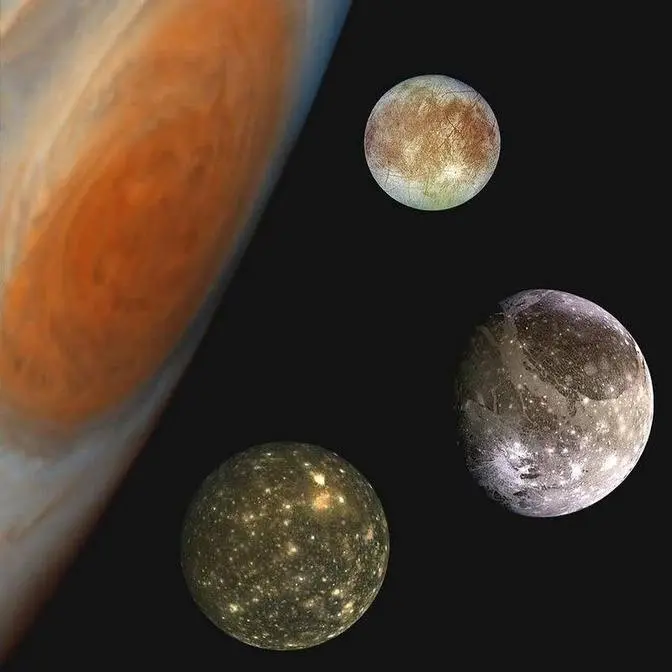
In the vast, terrifying scale of the cosmos, our Sun is but a grain of sand on an infinite beach. We have spent centuries cataloging the heavens, yet nothing prepared us for the discovery of a titan that challenges the very physics of stellar formation. This is the story of The largest star ever discovered in the universe, a red hypergiant that stretches the boundaries of imagination and reality. Known as Stephenson 2-18, this celestial behemoth is so massive that it could contain nearly 10 billion Suns within its volume.
When we contemplate the existence of The largest star ever discovered in the universe, we are forced to rethink our understanding of how stars are born and how they die. Located approximately 20,000 light-years away in the constellation Scutum, this monster sits at the theoretical limit of stellar size. If placed at the center of our solar system, The largest star ever discovered in the universe would engulf the orbits of Mercury, Venus, Earth, Mars, Jupiter, and even Saturn, its outer atmosphere reaching into the cold reaches of the outer solar system.