
Franz Schubert - Violin Sonata, D. 574 (1817)
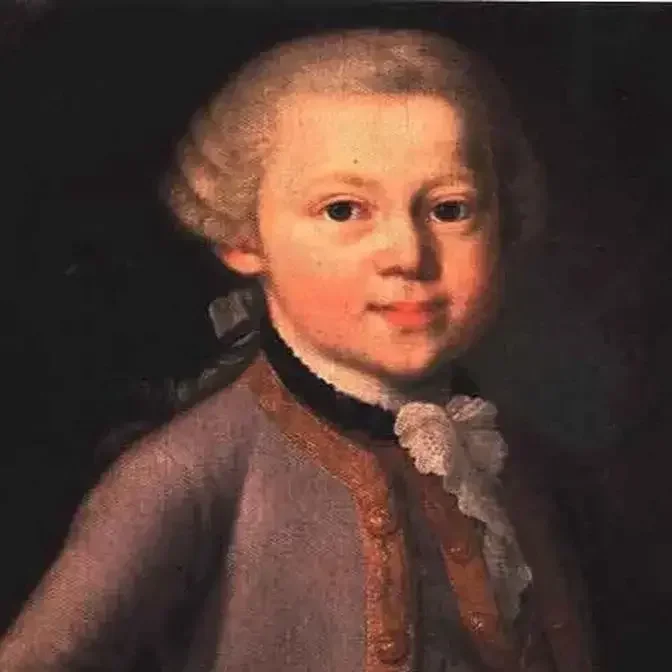
Franz Peter Schubert (31 January 1797 – 19 November 1828) was an Austrian composer of the late Classical and early Romantic eras. Despite his short lifetime, Schubert left behind a vast oeuvre, including 600 secular vocal works (mainly Lieder), seven complete symphonies, sacred music, operas, incidental music and a large body of piano and chamber music. The Piano Quintet in A major, D. 667 (Trout Quintet), the Symphony No. 8, D. 759 (Unfinished Symphony), the three last piano sonatas, D. 958-960, and his song cycles Die schöne Müllerin and Winterreise are some of his most important works.
Please support my channel:
https://ko-fi.com/bartjebartmans
Violin Sonata in A major, D. 574, Op. 162 (1817)
1. Allegro moderato (0:00)
2. Scherzo. Presto (6:22)
3. Andantino (10:30)
4. Allegro vivace (14:37)
Henryk Szeryng, violin and Ingrid Haebler, piano
Description by James Reel
Not published until 1851, this work of Schubert's early maturity fully deserves the designation "duo" appended by the publisher; unlike Schubert's earlier works for violin and piano, this sonata makes the keyboard a full partner and displays the composer's increasing confidence in writing for piano.
The first of the four movements is an Allegro moderato, in which a few bars of amiable piano introduction become the ambling accompaniment to a low-key, songful violin theme. Soon both instruments offer a much more animated treatment of this material and then a new idea that is essentially an elaboration of the opening piano figure. After an exposition repeat, Schubert subjects these themes to a brief development and standard recapitulation.
The Scherzo (Presto) is a rollicking piece in which a little piano fanfare launches a scurrying violin figure. The music lurches through some surprising key changes, often coming to a full stop before continuing with quite different material. Embedded between the E major outer sections of this movement is a playful C major trio, featuring highly chromatic writing for the violin.
These high spirits dissipate in time for the Andantino, a mostly lyrical dialog that drifts from C major to D flat and ultimately A flat, with a few piano trills, violin double stops (nothing to intimidate the amateur domestic players for which this sonata was probably intended), and brief, extroverted outbursts along the way.
Finally comes the Allegro vivace, in which the spirit of the earlier scherzo returns, complete with a short, leaping motif to get the movement off to a joyful start. Again, the music is full of hesitations that signal new harmonic and melodic directions; Schubert packs substantial adventure into this movement's four minutes.