
João de Sousa Carvalho (1745-1798) - Te Deum (1792)
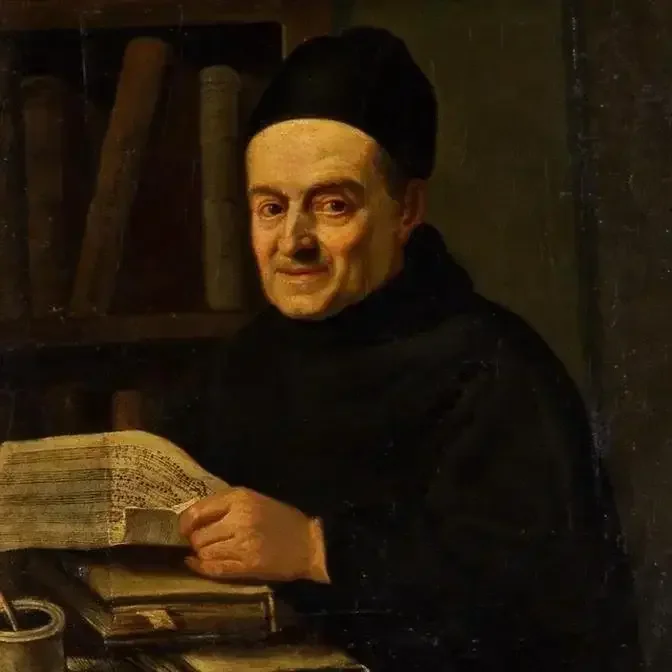
Bom aniversário João de Sousa Carvalho! 🙏🏼🥂
Composer: João de Sousa Carvalho (1745-1798)
Work: Te Deum (1792)
Performers: Naoko Okаda (soprano); Brigette Fοurnier (soprano); Michel Brοdаrd (bass); John Elwеs (tenor); Choeue et Orchestre Gulbenkian de Lisbonne; Michel Cοrbοz (1934-2021, conductor)
Te Deum (1792)
1. Te Deum Laudamus 0:00
2. Tibi Omnes Angeli 2:31
3. Sanctus 9:38
4. Te Gloriosus 12:18
5. Patrem Immensae Majestatis 20:08
6. Sanctum Quoque 22:49
7. Tu Patris 29:06
8. Tu Devicto 37:15
9. Judex Crederis 44:09
10. Te Ergo Quaesumus 47:29
11. Salvum Fac 50:57
12. Per Singulos Dies 58:48
13. Dignare Domine 1:02:06
14. Fiat Misericordia 1:08:30
Painting: Domingos Sequeira (1764-1849) - Alegoria às virtudes do Príncipe Regente D. João (1810)
HD image: https://flic.kr/p/2dKoz3A
Further info: https://www.amazon.com/dp/B0007Y2B5G
Listen free: No available
---
João de Sousa Carvalho
(Estremoz, 22 February 1745 - Alentejo, 1798)
Portuguese composer and teacher. On 28 October 1753 he began music studies at the Colégio dos Santos Reis in Vila Viçosa. A royal grant enabled him to enrol on 15 January 1761 at the Conservatorio di S Onofrio in Naples, where he studied with Cotumacci. In 1766 his setting of Metastasio’s La Nitteti was performed in Rome. On returning to Portugal he joined the Irmandade de S Cecília at Lisbon on 22 November 1767. In the same year he was appointed professor of counterpoint in the Seminário da Patriarcal, where he later served as mestre (1769-73) and as mestre de capela (1773-98) and taught such noted musicians as António Leal Moreira, Marcos António Portugal and João José Baldi. In 1778 he succeeded David Perez as music teacher to the royal family. Upon retirement from the Seminário da Patriarcal he owned extensive properties in both the Algarve and Alentejo. Carvalho was the foremost Portuguese composer of his generation, and one of the finest in the country’s history. His numerous elaborate church works in the style of Jommelli display a thorough control of counterpoint and structure, with keen, assertive melodic writing in the fast movements. He is equally distinguished as a composer of opere serie and serenatas, of which 14 by him were performed at the royal palaces of Ajuda and Queluz.