
Beethoven - Violin Sonata No. 5, Op. 24 "Frühlingssonate" (1801)
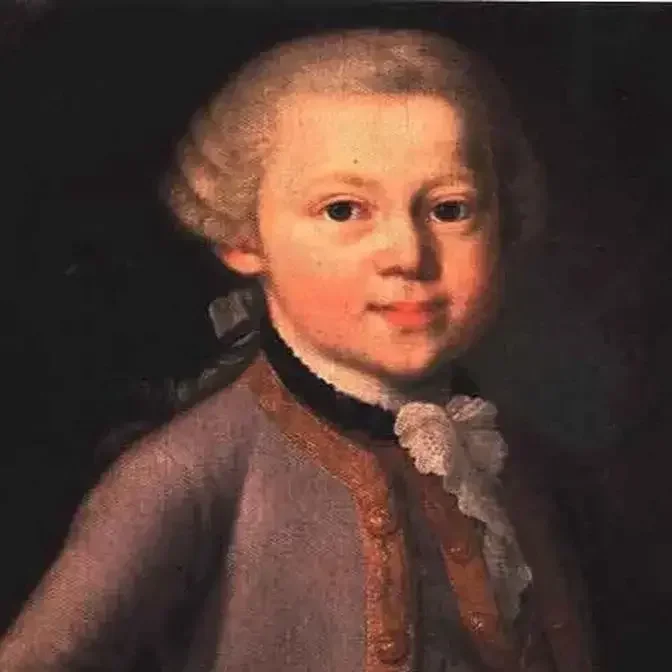
Ludwig van Beethoven (baptised 17 December 1770 – 26 March 1827) was a German composer and pianist. A crucial figure in the transition between the classical and romantic eras in classical music, he remains one of the most recognized and influential musicians of this period and is considered to be one of the greatest composers of all time.
Please support my channel:
https://ko-fi.com/bartjebartmans
Violin Sonata No. 5 in F major, Op. 24 "Spring Sonata" (1800-1801)
Dedication: Count Moritz von Fries (1777–1826)
1. Allegro (0:00)
2. Adagio molto espressivo (9:45)
3. Scherzo. Allegro molto — Trio (15:07)
4. Rondo. Allegro ma non troppo (16:17)
Henryk Szeryng, violin and Ingrid Haebler, piano
Rec. 1978
The sonata was dedicated to Count Moritz von Fries, a patron to whom Beethoven also dedicated two other works of the same year—the String Quintet in C major, Op. 29 and the Violin Sonata No. 4—as well as his later Symphony No. 7 in A major.
Beethoven initially intended to pair this work with his Violin Sonata No. 4, Opus 23, and the two sonatas complement each other in both key and character. However, the two were not published together and thus have different opus numbers. The reason for the separation is unknown.
Description by James Reel
This, Beethoven's fifth violin sonata, was the first to break away from the Classical three-movement sonata format. It was a tentative breach, though; the new Scherzo is barely more than a minute long. The work breaks with the eighteenth century in other ways, particularly in the relaxed lyricism that suffuses each movement.
The opening Allegro begins with one of those generously lyrical themes, sung by the violin over delicate keyboard accompaniment. A second theme group is busier and more clouded, but the soft sunlight soon returns in the curvaceous opening melody. In the development section, Beethoven uncharacteristically gives equal attention to all his themes, but he casts the opening tune in a minor key, maintaining an unsettled (though never violent) feeling throughout the section. The slow movement, Adagio molto espressivo, shifts to the key of B flat and a deeply pensive mood. The piano first presents the nostalgic melody, upon which the violin then meditates for a while. The two instruments then engage in a gentle dialogue based on this theme. The witty third movement, Scherzo & Trio, Allegro molto, begins and ends with a brief stop-and-start tune, with the violin deliberately out of sync with the piano. In the middle comes a very brief, skittering passage for both instruments. The final movement is far more substantial. A rondo marked Allegro ma non troppo, it begins in a pleasant, rather courtly Mozartean style. This refrain returns in various guises, though never significantly altered; in between are minor mode passages of some agitation and modest drama, although the sunny disposition of the main theme wins out in the end.