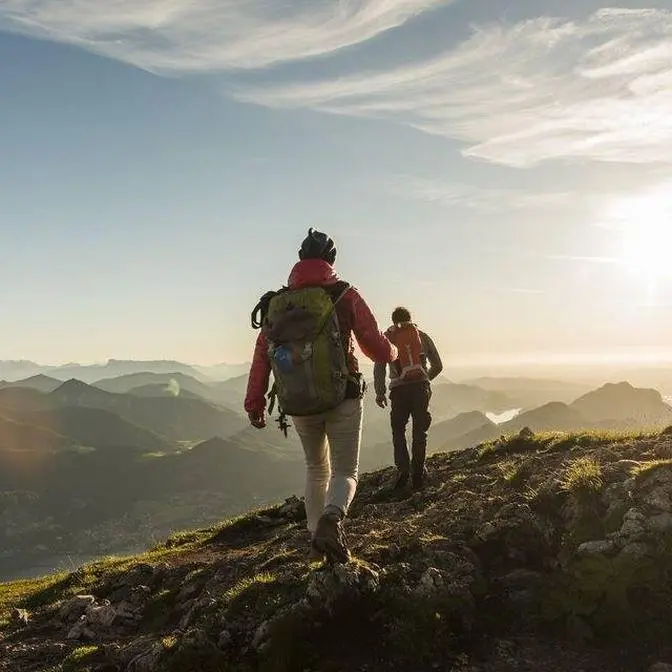
In this video, I tell you what it's like thru-hiking in Europe. What are the main differences between thru-hiking in North America vs Europe, what are the wild camping rules, explain rifugios (mountain huts), give safety advice, and other important things. If you ever want to thru-hike in Europe, then this is the video that you should watch.
▼ THRU-HIKING POSTERS (MADE BY ME & MY GF) Shop hiking trail posters here ➜ https://trailgoals.com/ (10% discount code: oscarhikes) Instagram ➜ / trail.goals
Towards the end, I also share some popular long distance hikes in Europe, like: 1. Camino de Santiago (9 routes, 4400 km / 2730 miles) 2. Rota Vincentina (230 km / 143 miles) 3. GR11 (840 km / 522 miles) 4. GR10 (866 km / 538 miles) 5. HRP (800 km / 497 miles) 6. GR20 (180 km / 112 miles) 7. Walker’s Haute Route (225 km / 139 miles) 8. Alta Via 1 (120 km / 75 miles) 9. Alta Via 2 (160 km / 99 miles) 10. Alpe-Adria Trail (750 km / 466 miles) 11. Tour Du Mont Blanc ( km 170 / 106 miles) 12. GR5 (2290 km / 1423 miles) 13. Traumpfad (550 km / 342 miles) 14. Via Alpina (5 routes, 5482 km / 3406 miles) 15. Rennsteig (169 km / 105 miles) 16. Rheinsteig (320 km / 199 miles) 17. Rothaarsteig (154 km / 96 miles) 18. Eifelsteig (313 km / 194 miles) 19. Pieterpad (498 km / 309 miles) 20. Via Romea Francigena (2000 km / 1243 miles) 21. Via Transilvanica (1400 km / 870 miles) 22. West Highland Way (155 km / 96 miles) 23. South West Coast Way (1014 km / 630 miles) 24. Pennine Way (431 km / 268 miles) 25. The Ridgeway (139 km / 87 miles) 26. Kungsleden (450 km / 279 miles) 27. Padjelantaleden (137 km / 85 miles) 28. Long Lofoten Crossing (160 km / 100 miles)
In case you're wondering, yes that is an actual photo of me from my GR11 thru-hike that I did
back in 2021 eating a completely normal thru-hiking breakfast. So what's this video about? Well,
if you like watching a lot of hiking stuff on YouTube then you've seen a lot of people
thru-hiking the PCT, the CDT, the AT and other big thru-hiking trails in North America. So
naturally you might think that the thru-hiking community in Europe isn't that big. But that
couldn't be further from the truth, because there are a lot of people here in Europe that do long
distance hiking and there are a lot of thru-hikes in Europe that deserve much more attention.
The wild camping rules in Europe are different for each country and each region, so I definitely
encourage you to do your own research. And I definitely don't want to encourage you to break
any rules, especially because I'm a YouTuber and I shouldn't encourage you to break any rules,
at least publicly. As far as I know you're legally allowed to camp pretty much anywhere in Scotland,
Norway, Sweden, Finland and Estonia. Then there are a few countries that allow camping in a lot
of areas but not all of them, like Latvia, Lithuania, Romania, Switzerland and England.
And unfortunately in the rest of Europe wild camping is banned on paper, but in reality most
people do it anyway, including me. Damn, that's pretty good. When you're wild camping in Europe I
would avoid doing it in natural parks, especially if they're very popular. I would set up the tent
very late in the evening and take it down early in the morning and also set it up in a somewhat
hidden place. Having a tent in green or gray colors definitely helps with this. Also keep in mind that
building fires in survival shelters is prohibited in pretty much most of Europe and if you do that
you're more likely to get a big fine. And one last thing that I wanted to mention about wild
camping in Europe is animal s**t. The mountains here are usually filled with sheep, goat, cows, horses and other
animals that the farmers usually come to check up every day. This means that 50% of the time
you're sleeping, eating or sitting in animal s**t. I'm actually probably sitting in animal s**t right now.
In Spain, Italy and France the mountains are filled with free mountain huts that most locals prefer to
stay in over building their own tent. They're called refugios or something like that depending
on which country you're in and they're usually an old farmer's house that's cleared out. Maybe there's
a table there, a few bunk beds and anyone can stay there for free. To give you context, while through
hiking the GR11 for 36 days I passed by maybe 50 or more of these free mountain huts. That said,
always be prepared that not all of them will be open, not all of them will be always free and not
all of them are in a good enough condition to sleep in. I personally prefer to pitch up my own
tent and do wild camping but staying in a refugio can be a very good way to meet with some of the
local hikers in the area and also you don't have to worry about any wild camping rules. Generally
I found out that I'm not using my water filter nearly as much when I'm hiking in Italy or Spain.
That's because there are a lot of free-flowing water taps called fonts. If you're passing through
a city, even a smaller one, chances are that it has one, two or three of these fonts where you can get
free drinking water. They're also scattered across the mountains to use for farm animals. That said,
I would still recommend you to bring a water filter because the water isn't always drinkable
from these fonts and sometimes they run dry. In regards to food, you won't find nearly as much
processed foods in the smaller shops when you're resupplying. So if you're trying to resupply in a
small town, chances are that there won't be any dried meals or similar products. Instead,
you usually have to mix your own dinners. I actually have an upcoming video about lightweight
hiking recipes that are good for your health so keep an eye out for that. There's also a much
lower selection of nuts, dried fruit, bars, candy and so on. One meal that you can find in pretty
much any local small store is a baguette filled with a lot of cheese. I eat this big baguette
every morning because you can make it very easily, it's very tasty, it has a lot of fat and a lot of
calories. In most of Europe, except for Romania and north of Scandinavian countries, there isn't
any danger of bear attacks. There are only a few bears scattered across the rest of Europe and
usually you don't have to worry about them because they're very shy and chances that you'll encounter
one are extremely slim. But there are a few other dangers though like wild boars and shepherd's dogs.
In general, wild boars are pretty safe, they usually run away from you but if you encounter
them on a trail close by, if you scare them and they're with their newborn babies, the mother
will probably attack you. They have very sharp teeth, they weigh a few hundred kilos and a wild
boar attack can sometimes even be fatal. And if you keep leaving food in your tent then it's probably
only a matter of time until a pack of wild boar try to get in during the night. So to avoid this
encounter you have to hang your food in a tree similar to what you do in North America in bear
country, at least 50 meters away from your tent. Since I started doing this I haven't had any
encounters with wild boar. You also have to watch out for shepherd dogs, especially the big white
ones. A lot of farmers here don't really care about other hikers, mountain bikers and other
people that are in the mountains, so they use aggressive and untrained dogs to herd their sheep.
Sometimes you'll have to take a pretty big detour by going through bush or some hills to avoid a
pack of animals that are left alone with five or six of these big aggressive shepherd dogs. Most of
the time though they're very friendly and cute, but some of them are aggressive and you have to
watch out for that. If you meet an aggressive shepherd's dog, do not be aggressive towards him,
speak calmly, do not face in the other direction and slowly back away. Do not do any sudden
movements and do not show any fear and you'll probably be fine. Be prepared that unless you're
hiking in England, obviously nobody will understand English. People here sometimes even have a negative
attitude when you start speaking to them in English, especially in Italy, Spain and France. If
you're through hiking in Europe, especially in these three countries, I would say that it's
pretty much mandatory to learn at least a few phrases to be able to resupply and to talk to
other people. But overall though most people here are very open and friendly, it's just that it's a
bit hard to communicate with them if you don't understand the language. There definitely are
quite a few European countries that could be considered quite expensive, but even though
that's the case, you can still do it on a very low budget if you're very conscious about where you
spend your money. For example, if you don't stay in any hotels, mountain huts, don't eat out in any
restaurants, cafes and limit the nights that you spend in campsites and do more wild camping and
cook your own food, then probably the cost won't be too high. For example, me personally, I spent a bit
below 1000 euros to do a 36-day through hike in northern Spain and that includes all the train
tickets and plane tickets as well. I've personally done a lot of research on different through hikes
in Europe because together with my wife we make posters of various through hikes across the world
and to do this we need to do a lot of research on which of these trails are the most popular ones.
On a side note, if you want to check them out go to trailgals.com and by entering the code
OSCARHIKES you'll get 10% off. Anyway, here's a list of some of the most popular through hikes
in Europe. In Spain, Portugal and France the most popular through hike definitely is Camino de Santiago
which actually consists of many different routes that go all across these countries. In Portugal
there's also Rota Vincentina which is a very popular coastal through hike. In Spain and France
there's GR11 which I did, GR10 and HRP which all basically cross the Pyrenees mountain range
sideways. GR11 mostly goes through Spain, GR10 mostly through France and the HRP goes somewhere
in the middle through both of these countries but it goes higher in elevation and it's in general a
more remote trail. There's also a really popular through hike called the GR20 which goes across
the French-owned Corsica island. Moving on to the Alps, there are actually quite a lot of options
like the Walker's Hot Route, the Via Alpina 1 and the Via Alpina 2, the Alpe Adria trail, the Tour
du Mont Blanc which everyone knows, the GR5, Trompfad and the Via Alpina trails. The only downside
to hiking in the Alps is that it's much much more popular there, more people through hike there
and you're more likely to get caught if you're wild camping. Germany is a completely different
beast because it's littered with many through hiking trails like the Rennsteig, the Rehnsteig,
Rothaarsteig, the Eiffelsteig and many many others and I know that I'm butchering all of
these names. Other notable trails in Europe include the Pieterpad that goes through the Netherlands,
the Via Romea Franzigena which goes from the UK to Rome and the Via Transylvanica trail that goes
across Romania. The UK, just like Germany, also has an extremely large through hiking community
and some of their most popular trails include the West Highland Way, the Southwest Coast Trail,
the Pennine Way, the Ridgeway Trail and many others. Up in the north you'll find the Kungsleden
and the Padjellandleden which both go through Sweden and also the Long Lofoten crossing which
I did which isn't really that popular but I think it deserves a spot here just because of how
beautiful this trail is. Remember that these trails are just the most popular ones in Europe.
There are also way way more through hikes in Europe that are less known, maybe less well marked
but also extremely beautiful and should be on anyone's bucket list. Thank you for watching,
I hope you enjoyed this video and I'll see you next time. Bye!