
Ajysyt The Sacred Goddess of Birth and Fate in East Asian Mythology
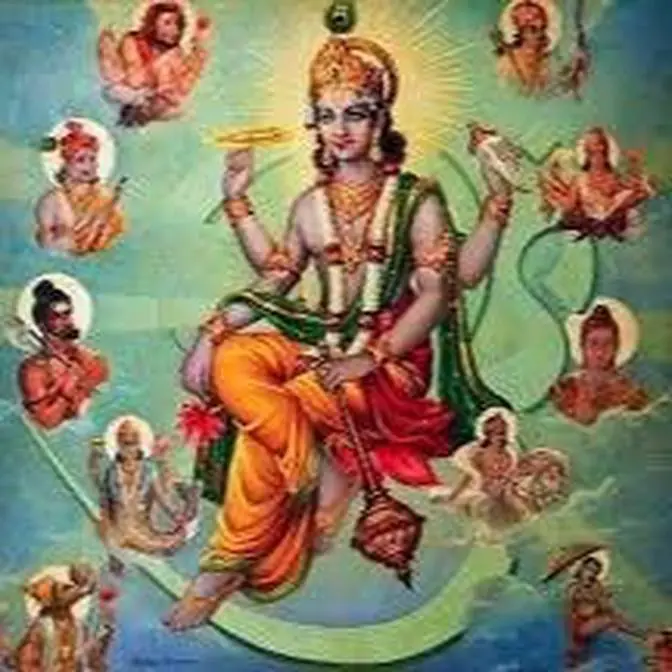
Aegisit, also known as Aeisit or Aesit, is a revered figure in Siberian and East Asian
mythology, particularly among the Turkic and Yakut Sakha peoples. As a goddess of birth,
fate, and motherhood, she embodies nurturing care, the sacredness of life, and the profound
connection between humans and the divine. Her mythology highlights her role as a protector
of children and families, as well as a mediator of destiny, making her a central figure in the
spiritual traditions of the region. Aegisit's name is often translated as Mother of Creation
or Bearer of Souls, reflecting her role in the cycle of life and her sacred connection to child
birth. She is considered the one who brings life into the world, guiding souls from the heavenly
realm to their earthly forms. This association with the beginning of life grants her a deeply
maternal and protective aura, revered by those seeking blessings for fertility,
safe childbirth, and the well-being of children. In Yakut mythology, Aegisit is described as
residing in the upper realms of the universe, a place of purity and divine energy. From there,
she oversees the journey of souls, ensuring that each is given to the right family. Her presence
is invoked during childbirth ceremonies, where midwives and mothers call upon her for a smooth
and safe delivery. Her name is often spoken with reverence, as she is believed to watch over
infants and their mothers, protecting them from harm and ensuring their future prosperity. Aegisit's
role as a goddess of fate ties her closely to the concept of destiny. In her capacity as the
Mother of Fate, Anishes, she is said to write the future of each soul on the forehead of the newborn,
marking their path in life. This act underscores her role as a mediator between the divine and
human worlds, shaping the trajectory of life while allowing for human agency and the influence of
free will. Aegisit is often depicted as a radiant figure, exuding warmth and compassion. Her imagery
typically emphasizes her nurturing qualities, with symbols of fertility, life, and continuity
surrounding her. In artistic representations, she is sometimes portrayed with a flowing robe,
holding a child or a vessel symbolizing the womb, further highlighting her association with birth
and the sacred feminine. The rituals dedicated to Aegisit are rich with symbolism and cultural
significance. These ceremonies often involve offerings, chants, and prayers to honor her and
seek her blessings. Midwives and women in labor would invoke her name, believing that her presence
could ease pain and ensure the safe arrival of the child. These practices reflect the deep spiritual
connection between the community and the divine, as well as the respect and gratitude toward the
forces that govern life. Aegisit's mythology also extends to her role as a guardian of children.
Protective nature is celebrated in stories where she intervenes to save infants from harm or
illness, reinforcing her role as a compassionate and vigilant deity. This aspect of her character
makes her a symbol of hope and reassurance for mothers and families. The influence of Aegisit's
mythology reaches beyond the Yakut and Turkic cultures. Her themes of motherhood, fate, and the
sacredness of life resonate with universal human experiences, making her a figure of broader
symbolic significance. Parallels can be drawn between Aegisit and other maternal goddesses
in global mythology, such as the Greek goddess Demeter or the Hindu goddess Parvati, highlighting
shared cultural archetypes that celebrate the power of creation and nurturing. In modern times,
Aegisit continues to inspire and influence cultural practices, art, and spiritual traditions.
Her story serves as a reminder of the sacredness of life and the importance of honoring the divine
forces that guide and protect humanity. As a symbol of birth and destiny, she invites reflection
on the interconnectedness of all beings and the cycles of life that sustain existence. Aegisit's
legacy endures as a testament to the enduring power of mythology to illuminate profound truths
about human life and the divine. Her story celebrates the transformative power of motherhood,
the sanctity of creation, and the resilience of the human spirit.
Through her nurturing and protective presence, Aegisit remains a beacon of hope
and inspiration, connecting generations to the sacred rhythms of life.