
7 Days in the AMAZON Rainforest with my camera
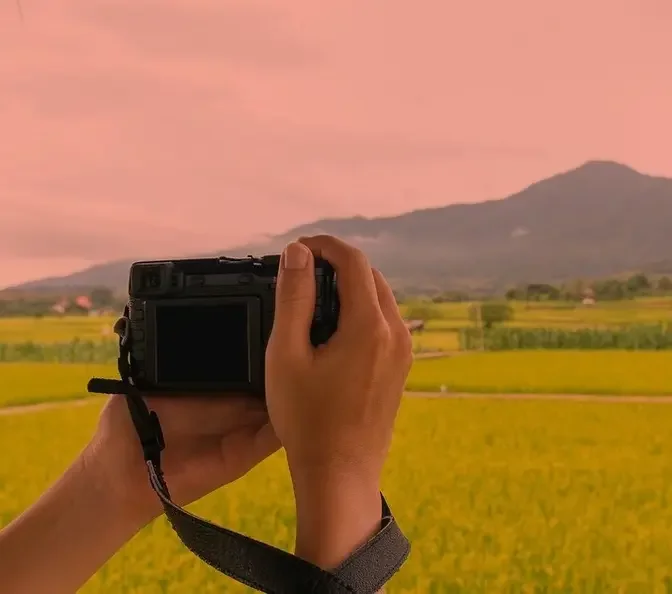
#PhotoCamera, #LandscapePhotography, #PhotographyExpert, #NatureShots, #ScenicViews, #OutdoorPhotography, #CameraGear, #LandscapeExpert, #TravelPhotography, #WideAngleShots, #PhotographySkills, #NaturalBeauty, #CameraTips, #PhotographyMastery, #LandscapeLovers
The Amazon rainforest is the most biodiverse place on earth, home to over 10% of all known
species. But while there are thousands of species, many live in low numbers, spread
across the rainforest. I've travelled to Tambopata in Peru, with the aim to capture
the Amazon rainforest. So this morning we've had a bit of a slow start. I did see a rufous
hermit hummingbird, which was really nice, but we've now come to a culper blind, and
a culper is a salt lick, and hopefully we might see some parrots or macaws come to lick
the salt. But anything can happen, so we'll just have to wait and see.
Early in the morning we watched red and green macaws descend on a clay lick.
These colourful parrots visit in large groups.
They eat the clay to supplement essential minerals, especially sodium.
It helps balance their diet of unripe fruits and seeds.
I've been lucky enough to spend over 7 months living in rainforests, but somehow I've never
had luck photographing tamarins. Until now. A group of saddlebacked tamarins suddenly
appeared right in front of the lodge. They're small, insect-eating primates, and incredibly
fast. So we've just had an amazing encounter with a group of saddlebacked tamarins, and
we're going to follow them into the forest, and hopefully get some more shots. Let's go.
At first, they vanished into the trees. But then we heard them. Sharp, high-pitched squeaks,
as they called to one another through the forest.
Ah, missed it.
That's so quick.
And then, a few curious individuals came closer, and for just a few minutes, we were surrounded.
We just had the most amazing encounter with the saddlebacked tamarins. We went into the
forest, and we were surrounded by maybe 5 individuals, and they were so relaxed, literally
just 1 or 2 metres away from us. And they were looking for insects, and it was just
so nice to finally see them up close. We had a lovely encounter, so I'm super happy.
As we continued our walk, we spotted a collared trogon, and the tiny, rufous-breasted hermit hummingbird.
But soon, the sky darkened, and it started to rain. There's nothing quite like a thunderstorm
in the rainforest.
This video is sponsored by Outdoor Photography Guide, and I'd wish I'd known about this
resource sooner. It's basically an online resource full of video tutorials, step-by-step
guides, and Q&A sessions, all focused on outdoor photography. And what I really love is how
specific some of the videos are. There are whole tutorials on safari at sunset, shorebird
photography. It's not just the basics either. Whether you're just starting out with outdoor
photography, or you've been doing it for a while, there is something for everyone. And
if you're into other types of photography, like macro, landscapes, and aerial photography,
they've got that covered as well. Plus, they're constantly adding new videos, and there are
live sessions, so you can ask questions and get advice from professional photographers
in real time. If you want to check out the first 1,000 of my subscribers, to click the
link in the description, you'll get a full year of premium membership for just $1.49.
So grab it whilst it lasts.
This afternoon it rained for the first time whilst we've been here, and it's amazing how
much it's changed the forest. It's so vibrant and colourful. All the dry leaves are now
super saturated, and it just looks... A tree just fell. Let's go.
After the storm, we were lucky to spot the ivory-billed aracari,
and a flash of colour from the paradise tanager.
The biodiversity here is staggering. That's because the Amazon has had millions of years
to evolve, creating layers upon layers of life, with countless species filling every niche.
After a wet and quiet afternoon, the sun finally broke through at sunset.
As the light faded, we headed back to the lodge, and just before dark, we found a group
of squirrel monkeys darting through the trees.
So tonight I'm joining a bit of an exciting activity. So Rainforest Expeditions run something
called Wired Amazon, which is their citizen science project, and one of the individual
projects is called Discovering New Species, and there are so many species of moths which
haven't been discovered yet. So tonight, as soon as it gets dark, I'm going to be joining
Mila, and we're going to go into the forest to check out a moth trap.
We headed to the moth trap, set in the forest, and Mila told me about the project.
This is the Discovering New Species project. This activity we have to do at night because
in this way we are going to attract many insects, mainly moths, and they are going to feel attracted
because of this light. Basically the moths use the moonlight to navigate through the
rainforest, but in this case they are confused because they are seeing this light. Here we
are going to collect many samples as possible, and then tomorrow in the morning we have to
process all these moths, and then these samples we have to send them to Lima, to the Natural
History Museum, because there is working entomologist, who is Juan Grados. He is the leader researcher
of this project. And then he has to send these samples to Guelph University in Canada, because
they are going to be in charge to study the DNA barcode. So through this information we
can know which one of those ones can be the new one. Of course we want to discover them
because sometimes we can get some specific species in some specific place. So when we
get endemic species, it is really good in a way when we want to protect a specific area.
And do you like moths?
Yeah, of course. To be honest, at the beginning when I started here, I never imagined that
I could love the moths. They can be colorful, pretty.
They are sort of like me.
Condensation here, inside the camera. Although the picture is clear when I take it, when
I look through here, it's all like cloudy.
After several days in the rainforest, the humidity started to get to my gear. I used
a lens cloth to wipe away the condensation. Not a permanent fix, but enough to keep shooting.
Just staying at the lodge gave me so many photo opportunities. The rainforest can be
incredibly dark, and the forest around the lodge is much brighter. So I carried my camera
everywhere. You never know when you might see a monkey or a toucan.
One afternoon, whilst I was sitting in the hammock, a white-throated toucan flew in and
began eating bright red fruits just a few meters away.
So we are now leaving the Peruvian Amazon. It has been the perfect amount of days, I
think. We've stayed six nights, and we've got to a point where everything feels damp.
One camera doesn't work because of humidity. So we'll be going to the town for a few days,
and then we're actually going to a rescue centre for baby monkeys and other rainforest
animals. Also, if you want to stay here at Posada Amazonas, I actually have a 20% discount
code, which will be linked in the description, and come to the rainforest. It's great.
Thank you for watching, and I'll see you in the next video. Bye!