
DISCOVER EUROPE - INSANELY CHEAP Destinations in Europe
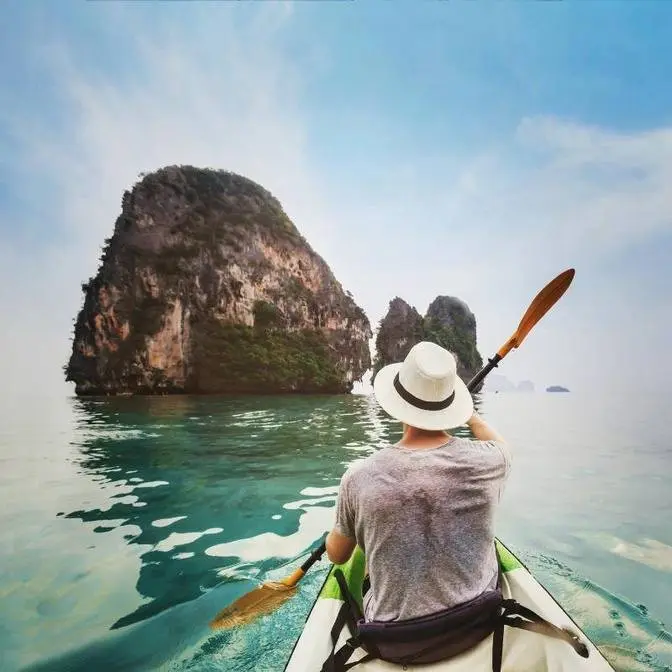
#Travel
Discover the 10 insanely cheap destinations in Europe for budget travel, from the underrated charm of Serbia to the diverse natural beauty of Bulgaria. This travel documentary features top affordable attractions, unique experiences, and hidden gems across Europe. Whether you’re planning a trip or love discovering new destinations, this travel video takes you through the Europe's most affordable travel destinations.
By https://www.youtube.com/@discoverydestination
Europe welcomes over 700 million travelers each year with some of the most affordable
attractions that make it a premier travel destination. These budget-friendly locations
offer an accessible way to explore Europe while making the most of your travel budget.
From the underrated charm of Serbia to the diverse natural beauty of Bulgaria,
here are the insanely cheap destinations for budget travel in Europe. Make sure to
subscribe to Discovery Destination for more travel videos like this.
Moldova
Moldova is a landlocked country in Eastern Europe. While it may not be one of the most
visited places in Europe, it offers quiet, scenic locations and historical landmarks
worth exploring. One of the country's most well-known sites is Orhjelveci.
Set in a quiet valley, this open-air complex features ancient cave monasteries carved into
cliffs, the ruins of old fortifications, and views of the Vraut river below.
In the center of the country is Chisinau, the capital, which combines older Soviet-style
architecture with modern life. Here, the cathedral park is home to the Nativity Cathedral and the
Triumphal Arch. Nearby, you'll find the National Museum of History and the National Museum of Art.
Elsewhere in the city, a small bronze statue of the Little Prince stands as the smallest
public statue in Moldova. Outside the capital, several monasteries offer peaceful settings
and striking architecture. Tipova Monastery is carved into a tall cliff and is one of the largest
cave monasteries in Eastern Europe. Kapriana Monastery, located in a forested area, is one
of the country's oldest religious sites, while Sarhana Monastery is a quiet retreat near a
waterfall. To the northeast, Soroka Fortress stands on the banks of the Dniester River.
Built for defense, its round structure and thick stone towers have been preserved as a
glimpse into Moldova's past military history. If you're interested in nature, the Kodru Forest
Reserve offers walking trails through old-growth oak forests. It's the oldest protected forest in
Moldova and a peaceful spot for a quiet hike. Farther north, Nazlavsija offers wide views of
the Dniester River and surrounding green hills. Nearby, Suta de Movile is a stretch of open land
dotted with small mounds. These hills are believed to have formed from the ancient sea floor,
giving the area a distinctive look that remains mostly untouched.
Slovakia is a small country in Central Europe known for its quiet natural beauty and well-preserved
historic sites. One of the most famous regions in Slovakia is the High Tatras, a mountain range along
the northern border where you'll find steep peaks and scenic trails. If you're not hiking the high
paths, you can still enjoy the area by walking around Strepské Pleso, a calm glacial lake with
peaceful views. Just south of the Tatras, Slovak Paradise National Park offers a more rugged
experience. The trails here take you through rocky gorges where you might climb ladders or
cross wooden planks suspended over narrow canyons. In the western part of the country, Bratislava is
the capital city. Its most recognized landmark is Bratislava Castle sitting above the Danube River
with white walls and a square shape. Inside the castle, exhibits walk you through the country's
past while the grounds around it offer open views of the city. Not far from Bratislava, the Danubiana
Muhlenstein Art Museum focuses on contemporary art with indoor galleries and an outdoor sculpture
garden along the water's edge. In northern Slovakia, Orava Castle stands high on a rocky
cliff above the Orava River. This well-preserved fortress has rooms you can walk through and a
dramatic setting that makes it one of the most visited castles in the country. Further east,
Spiš Castle spreads across a large hilltop and is one of the biggest castle ruins in central Europe.
Built in the 1100s, you can explore this site and a nearby museum gives more background on its history
and use. In central Slovakia, Bojnica Castle is known for its pointed towers and detailed stonework.
The rooms inside are filled with carved furniture, old paintings, and decorations while the gardens
outside offer a quiet space to relax. The town of Banska Štaunica, also in central Slovakia,
was once known for gold and silver mining. Nearby, the Open Air Mining Museum shows what life was like
during the town's more active years. Volko Línek, a small mountain village, stands out for its wooden
homes painted in soft colors. The narrow roads and closely packed houses give you a clear view of
rural life as it once was. To the northeast, Bardejov is a well-preserved town with a large
central square and colorful buildings around it. In several northern and eastern regions of Slovakia,
you'll also find wooden churches that were built without nails that have stood for centuries.
One example is the wooden church of Fronsek, where the inside walls are decorated with simple
but colorful designs. Montenegro
Montenegro is a small country in southeastern Europe. It's a great place if you enjoy a variety
of outdoor experiences. Kotor is one of the most visited towns in the country. Inside the old town,
you'll walk through narrow alleys lined with quiet squares and stone buildings. A climb up the Kotor
wall leads to the fortress of San Giovanni, where you get wide views of the Bay of Kotor. While in
town, St. Tryphon's Cathedral stands out with its Romanesque architecture and long history dating
back to the 1100s. The Bay of Kotor itself is calm and surrounded by steep mountains. A boat tour here
gives you a different view of the area. One of the most popular stops is Our Lady of the Rocks,
a small man-made island with a church and museum. Nearby, the town of Perast features Baroque-style
buildings and overlooks two small islands just off its coast. If you want to swim, the Blue Cave
is a popular spot where sunlight reflects off the water, creating a glowing effect inside the cave.
Heading inland, Durmitor National Park offers a more rugged setting. The Tara River runs through
the park and cuts into Tara River Canyon, the deepest canyon in Europe. You can raft or kayak
along the river or go ziplining near the Durebit Sektara Bridge for sweeping views from above.
Further south, Lovcen National Park is filled with thick forests and mountain trails. At its highest
point is the Negosh Mausoleum, dedicated to one of Montenegro's national leaders. Reaching the top
involves a climb up stone steps, but the views of the surrounding mountains make it worth it.
Not far from here is Ostrog Monastery, one of the country's most visited pilgrimage sites,
built into the face of a vertical cliff. Inside, you'll see religious artwork and relics
preserved over time. If you prefer a quieter setting, Rijeka Srnojevica is a riverside town.
The town is known for its peaceful surroundings and a horseshoe-shaped bend in the river that's
become one of the park's most recognizable views. Lipa Cave is the only cave in Montenegro with
guided tours. The inside stays cool year-round and features walkways lined with stalactites and
stalagmites and tall rock formations. In the eastern part of the country, Prokletije National
Park is known for its remote and steep mountain trails. Also called the Accursed Mountains,
the area includes quiet valleys and jagged peaks that draw in experienced hikers.
At the southern edge of Montenegro, Ada Bojana is a river island with long, sandy beaches.
The shallow water and consistent wind make it a popular place for kite surfing. Along the shore,
you'll find wooden beach bars and small homes built close to the water.
Now, I know you're getting excited about all these amazing places to visit, but if you're
eager to travel the world to explore new locations, cultures, foods, and much more while taking a
breather from your everyday life, you also know it can cost you quite a lot of money. With the
Travel on a Dime e-book, you have the opportunity to make the most out of any place you visit
without overspending on your travel budget. From finding the right flights and hotel deals
to money-saving tips during your trip, it's the perfect guide to help you travel like a pro,
ensuring you have a great experience while saving hundreds of dollars on travel.
Get your copy at thediscoverydestination.com. That's thediscoverydestination.com. Use code
DISCOVER5 to save $5 off your copy.
Serbia
Serbia is a landlocked country in southeastern Europe. The Danube River, one of the continent's
most important waterways, flows through the country and connects with the Morava and Sava
rivers. These rivers shape much of the surrounding areas and are part of what makes Serbia a scenic
place to explore. Belgrade, the capital, is often the starting point. One of the main highlights
is the Belgrade Fortress. The fortress has seen more than a hundred battles throughout history,
but today it's a peaceful place to explore. Not far from the fortress, the Temple of Saint Sava
stands as one of the largest Orthodox churches in the world. Its massive dome is visible from
different parts of the city, and inside the walls are decorated with colorful mosaics.
Heading north, Novi Sad offers a more relaxed atmosphere. The Petrovaradin Fortress sits above
the Danube and is known for its reverse clock tower, where the large hand shows the hour and
the small hand shows the minutes. In western Serbia, Tara National Park provides a quiet escape
with forests, steep slopes, and deep canyons. The Banis Kastena viewpoint gives a wide view
over the Drina River Canyon, and farther south, the Uvac Canyon draws attention with its sharp
riverbends. In central Serbia, the Studenica Monastery is one of the country's oldest religious
sites. Dating back to the 1100s, it features stone churches and preserved frescoes that have
lasted for centuries. To the southeast, Nis is one of Serbia's oldest cities. The Nis Fortress
still stands in the city center, while nearby the Skol Tower serves as a reminder of the resistance
against Ottoman rule. In southern Serbia, Davolja Varoš is a natural area with over 200 rock
formations shaped by wind and rain. These tall stone pillars have created many local stories,
making it one of the most unique places in the region. In the Zlatibor region,
Sirugojno Old Village is an open-air museum that shows what rural life looked like over a century
ago. The wooden houses display how people lived, cooked, and made everyday items by hand.
Eastern Serbia has several quiet spots worth visiting, like the Vratna Gates, which are three
natural stone arches formed by river erosion. Nearby, the Roman site of Gamzigrad holds ancient
ruins from an old Roman complex. Also in the east, Viminacium was once a Roman city and military
camp. Today, you can walk through the excavation site and see parts of the old buildings and
artifacts being uncovered. If you're looking for a more relaxed setting, Sokobanja is known for its
natural springs and walking trails. One of the main highlights is an old Turkish-style bathhouse
where you can enjoy thermal water baths in a quiet setting. Romania
Romania is a country in Europe with a landscape that changes often. The Danube, one of Europe's
most important rivers, flows through the country and ends in a large delta before reaching the sea.
In Bucharest, Romania's capital, the standout landmark is the Palace of the Parliament,
one of the largest buildings in the world. Built during the communist era, its size and interior
reflect the power and control of that time. In central Romania, the Carpathian Mountains
dominate the landscape. One of the most visited sites in the region is Bran Castle, often linked
to the Dracula legend. Inside, you can walk through narrow staircases and stone rooms while
learning about its history over the centuries. Not far from Bran, the mountain town of Sinaia
is home to Peleș Castle, a royal summer residence built in the late 1800s. The castle has elegant
rooms filled with paintings, furniture, and carved wood details, showing a very different side of
Romania's past. Another highlight in the Carpathians is the Transfăgărașan Highway, which winds through
the Făgăraș Mountains. Along the road, you'll pass Lake Vidraru and its large dam. A bit farther,
you can hike up to Poenari Citadel, a hilltop ruin once used as a real fortress. In Brașov,
one of Romania's most visited cities, the well-preserved old town features wide squares
and cobblestone streets. At the center is the Black Church, a large Gothic structure. For a
view of the city and nearby hills, you can take a cable car to the top of Mount Tampa.
In the northern part of the country, near Cluj-Napoca, you'll find Salina Turda, a former salt
mine turned underground attraction. You can walk through deep salt chambers and see how salt was
once collected here. Also in the north, Maramureș stands out for its traditional wooden architecture.
The wooden churches of Maramureș, built entirely from wood centuries ago, are still standing today
and show how local communities preserved their faith and craftsmanship.
Nearby, in the village of Țapunța, the Mary Cemetery offers colorful wooden crosses with
poems and paintings that tell stories about each person buried there. In the Apuseni Mountains,
you'll find peaceful trails and natural sights. One of the main attractions is the Scarișoara
Ice Cave, which holds one of the largest underground glaciers. Meanwhile, in Bazau County,
the muddy volcanoes offer a strange and quiet spot to explore. These small mud hills bubble
with cold mud and gas, giving the area a cracked, dry appearance. In the northeast of Romania,
the painted monasteries of Bucovina stand out for their bright frescoes.
Painted on the outer walls of churches built in the 1400s and 1500s, these detailed artworks
tell stories from the Bible and remain colorful even after centuries.
Bosnia and Herzegovina
Bosnia and Herzegovina is a country in southeastern Europe. Shaped by the Danaric
Alps, the country is better known for its natural beauty and mountain scenery. Sarajevo,
the capital, offers a blend of history and culture. In the old part of the city, called
Bărșarșia, narrow streets and traditional shops reflect its Ottoman influence. The Ghazi Huzreve
Mosque and wooden Sărbeli Mountain are among the most recognizable landmarks in this area.
South of Sarajevo is Mostar, one of the country's most visited cities. Its main highlights is the
Built in the 1500s, the bridge is a symbol of the city. Surrounding the bridge is the
old town, where you can walk cobblestone streets and visit small artisan shops.
Just a short drive from Mostar is Blagaj, a quiet village along the Buna River. The Blagaj
Tekija, a 16th-century Dervish monastery, stands at the base of a cliff, next to a spring
emerging from a cave, where you can take a boat closer to the cave's mouth. Further south,
Počităli sits on a slope above the Neretva River. This historic village is made up of stone houses
and a fortified tower, with wide views of the valley. Here, the Ghazi Aliye Mosque and other
preserved structures reflect both medieval and Ottoman-era architecture. If you're looking for
natural sights, the Kravice waterfalls are a good option. The falls stretch across the Trebizad
River and pour into clear pools that are open for swimming. In central Bosnia, the town of Jajce
has a large 72-foot waterfall right in its center, where you can view it from a platform nearby,
or walk along paths that circle the area for different views. In a more remote region,
Lukomir gives you a look at traditional mountain village life. It's one of the highest and most
isolated villages in the country, with stone houses and steep wooden roofs. For outdoor
activities, Sutjeska National Park offers hiking and views of untouched nature. The park is home
to Perošica, one of the last remaining primeval forests in Europe. Trails here range from short
routes to multi-day hikes, but a more challenging path leads to the summit of Maglic, the country's
highest peak with wide views from the top. North Macedonia
North Macedonia is a small landlocked country in southeastern Europe. Despite being landlocked,
the country offers wide open views and diverse natural beauty. Skopje, the capital, is a good
starting point in North Macedonia. One of the most interesting areas is the Old Bazaar, the
oldest part of the city. Its narrow stone streets gives you a chance to walk slowly and take in the
local culture. Just outside the city, Mount Vorno offers a higher view where you can take a cable
car to the top. At its summit stands the Millennium Cross, one of the tallest crosses in the world.
Nearby, Matka Canyon provides a quiet escape with tall cliffs and calm water between them.
Vrelo Cave is also located here. It's one of the world's deepest underwater caves and offers a rare
natural sight. North of Skopje, the Kokkino Megalithic Observatory stands on a hill.
This ancient site is over 3,800 years old and was used to track the movement of the sun and stars.
Large rocks are still placed to mark key solar positions. Heading southwest, Lake Ohrid is one
of the country's most visited natural spots. The lake is one of the oldest in Europe and is known
for its clear water. On its shore, the town of Ohrid has stone paths and many historic churches.
One of the most well-known is the Church of St. John at Kaneo, which overlooks the water. Nearby,
Samoyel's Fortress offers another high view of the lake and town. Further west, Mavrovo National
Park gives you plenty of outdoor space. It's the largest national park in the country with hiking
trails and small villages. One of the best-known is Galichnik, where traditional stone homes and
slow village life are still part of everyday life. In the southern part of the country, the city of
Bitola is home to the ruins of Heraclea Lincestis. This ancient Greek city later became part of the
Roman world. Today, you can walk among its stone paths, columns, and mosaics that date back centuries.
Not far from Lake Ohrid, the village of Devtani is known for its natural springs that run through
wooded hills and rocky ground. To the south, Krusevo sits high in the mountains as the highest
town in North Macedonia. Its narrow streets are lined with 19th-century homes, and the town
reflects an important chapter in the country's past. On the nearby hill, the Macedonia Monument
honors a key moment in national history. Bulgaria Bulgaria is a country in southeast
Europe, located on the eastern side of the Balkan Peninsula, offering a wide variety of places to
explore. Starting in the southwest, the Rila Mountains are home to one of Bulgaria's most
important landmarks, the Rila Monastery. Surrounded by forest, the monastery stands out with its
striped arches and peaceful courtyard. Inside, you'll find golden designs and centuries-old art
that reflect Bulgaria's Orthodox Christian heritage. Also in the southwest, Melnik is the
smallest town in the country, known for the sandstone formations around it. You can walk up
the nearby hills to see the unusual rock shapes that rise above the town. Further east in the
mountains, two traditional villages offer a slower pace. Široka Laka is known for its music school
and stone and wood homes, where you'll see signs of local traditions still alive today. Not far
from there, Kovačevica feels more remote, with similar old-style houses surrounded by walking
trails. In the central part of the country, Prohodna Cave, also called the Eyes of God, is a large
natural cave with two oval openings in its ceiling. Light streams through these openings, creating a
unique and peaceful atmosphere inside the cave. North of the cave, the Buzludzha Monument rises
above the central Balkan mountains. This large concrete structure was once a political meeting
hall. To the north, the old city of Veliko Tarnovo is built across three steep hills. Known as the
former capital of Bulgaria, it's most famous for the Tsarevets Fortress. Walking through its stone
paths and ruined royal buildings gives you a sense of how important this city once was. At the top,
a restored church overlooks the river and hills. Heading northwest, the Belogradchik Rocks create
one of Bulgaria's most unique natural scenes. These tall, oddly-shaped rock formations surround the
Belogradchik Fortress, which was built into the stone. In the southern center of the country,
Plovdiv is one of the oldest cities in Europe. Its old town has cobblestone streets, tall homes
with colorful walls, and a Roman amphitheater that's still used for performances today.
Just a short walk away is the Kapana District, known for its creative spaces and local shops.
The ancient stadium of Filippopolis, built during Roman times, sits in the middle of the modern
city. Toward the southeast, the Devil's Bridge crosses the Arda River, deep in the forest.
Built in the early 1500s, this arched stone bridge has lasted for centuries. On the eastern
side of the country, the Black Sea coast gives you two very different experiences.
Nesebar is a small town on a narrow strip of land that reaches into the sea,
lined with churches and traditional wooden homes. A short drive away,
sunny beach offers a more modern scene, with sandy shores and water activities
that continue into the night.
Poland is located in Central Europe and offers a wide range of natural and historical attractions.
Start with Warsaw, the capital city. Much of it was destroyed during World War II,
but the old town was carefully rebuilt to look as it once did. You can walk along the restored
streets, visit the Royal Castle, and follow the Royal Route, which links many historic landmarks.
Also, the Warsaw Uprising Museum gives insight into the 1944 resistance and tells the story
of those who fought to defend the city. South of Warsaw, Krakow offers a slower pace,
with a well-preserved historic center. The main market square is one of the largest in Europe,
surrounded by notable buildings. In the center, you'll find the Cloth Hall and St. Mary's Basilica,
which features a detailed wooden altarpiece. A short walk away,
Wawel Castle and its cathedral show Krakow's role in Poland's royal past.
Just outside Krakow, the Wieliczka Salt Mine offers a unique underground experience,
where you'll descend a long staircase into tunnels and chambers made of rock salt.
The highlight is the Chapel of St. Kinga, and guided tours help explain how it was all carved.
About an hour from Krakow, the Auschwitz-Birkenau Memorial and Museum is a powerful reminder of the
Holocaust. You can walk through former barracks, see personal items, and learn about what happened
at the site during World War II. In northern Poland, Malbork Castle stands as one of the
largest castles in the world. Built by the Teutonic Knights, the castle complex includes
multiple sections, where you can explore the medieval rooms and learn about its changing uses
over time. For mountain views and hiking, head south to the Tatra Mountains. Zakopane,
a small town at the base of the mountains, is a popular starting point, which leads to trails
through forests and open areas with wide views of the peaks. Nearby, Bialowieza National Park
offers one of the last remaining parts of Europe's primeval forest. Here, you can walk
along trails lined with old towering trees and experience a quieter side of nature.
Closer to the west, the crooked forest near Grafino draws attention with its unusual pine
trees. Each tree curves sharply near the base before growing upright, and the reason for their
shape is still unknown. In the small village of Zalipie, homes, barns, and fences are painted
with bright flower patterns. This tradition has been passed down through generations,
and as you walk through the village, you'll see colorful artwork on almost every building.
In the far southeast, the Bieszczady Mountains are a good choice if you want peaceful hiking
trails with fewer people. These trails lead through open hills and quiet forests,
offering space to disconnect and relax. Albania
Albania is a small country in southeastern Europe with a landscape made up of hills and high
mountains, making a good place to visit if you enjoy the outdoors. Tirana, the capital and largest
city, is a good place to start. In the center, Skanderbeg Square features landmarks like the
National History Museum and the Etemi Bay Mosque. For a full view of the city, you can take the
express cable car up Mount Dajti. Nearby, the Bunk Art Museums are located inside the old
underground bunkers from the communist era and now display exhibits about life during that time.
South of Tirana, Berat is one of Albania's oldest towns. It's known for white Ottoman-style homes
that climb the hillside, giving it the nickname the City of a Thousand Windows. At the top,
Berat Castle overlooks the city. Inside the castle walls, you can walk past churches,
mosques, and traditional homes still in use today. Further south, Gjirokaster has stone houses with
dark slate roofs that have lasted for centuries. The town's castle is one of the largest in Albania
and includes a military museum with displays such as a captured U.S. spy plane. At the southern tip
of the country, Butrint National Park holds ruins from ancient times. Here, you can follow stone
paths through an amphitheater, temples, and city walls that date back thousands of years.
Along the Ionian Sea, the Albanian Riviera is known for its coastal views. Kstamil is one of
the most visited spots, offering calm beaches and small nearby islands that you can reach by kayak
or boat. To get there, the road through Ljogara Pass winds through the mountains and offers some
of the best views in Albania. In the north, Teth National Park and Valbona Valley National Park
sit in the Albanian Alps. These areas are popular for hiking through forests, rivers,
and mountain trails. Another natural spot is Osumi Canyon, where cliffs and green trails
make it a scenic place for walking and taking in the views of the surrounding area. Along the central
coast, the Cape of Rodon offers a peaceful seaside area with views of the water on both sides. Here,
you can visit Rodoni Castle, built by Albania's national hero, Skanderbeg. South of there,
the Benja Thermal Baths, near the town of Permet, sit beside a historic stone bridge.
These warm pools are known for their relaxing atmosphere and are visited both for their
healing qualities and peaceful setting. If you're looking for any tips to enhance your
own personal travel and help you manage your travel budget more effectively,
click the link in the description. And remember to like and subscribe to help our channel grow.