
How to Tell Your Bird 'NO' in a Way They Understand
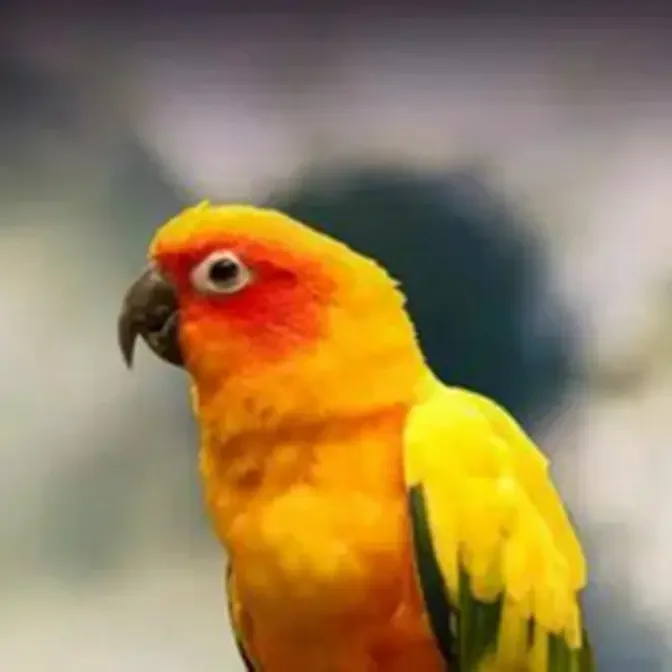
Comments are disabled for this video.
While most of the time your bird is a delightful companion, there are occasional unwanted behaviors.
Chewing on furniture or cords, loud screaming, or nipping during interactions.
And, sometimes, you need to tell your bird, no.
How do you tell your bird no in a way they understand?
That's what we're here to explain.
Do birds understand no?
When trying to correct your bird's behavior, remember you can't speak their language directly, so messages can get lost.
Birds don't inherently understand the abstract meaning of the word no,
but they are highly intelligent and sensitive to tone, body language, and consistent cues.
They notice your facial expressions, voice pitch, and the outcomes that follow an action.
With this in mind, your bird can learn that a specific sound or signal means stop,
but only if you teach it consistently and patiently.
How to teach your bird what no means.
To teach your bird what no means, choose one clear cue, like a short firm word or a neutral click from a clicker,
and always use the same tone.
Calm, firm, and low rather than loud or shrill.
Be consistent and use the cue the same way every time the unwanted behavior happens.
Never yell, hit, or scare your bird.
That creates fear and damages trust.
Instead, interrupt gently.
Give your cue, then remove the bird from the situation or quickly redirect them to an acceptable activity.
With repetition and gentle redirection, your bird will learn to associate the cue with stopping a particular behavior.
General approach to correcting unwanted behaviors.
The general approach to correcting unwanted behaviors is to interrupt the behavior immediately with your cue,
redirect to an acceptable alternative within seconds,
and reward the alternative right away with praise, a gentle pet, if the species accepts it, or a tiny treat.
Keep training sessions short and frequent rather than long and rare.
Be patient. Learning takes time and many consistent repetitions.
Chewing furniture or cords.
Chewing furniture or cords is often driven by exploration, beak maintenance, boredom, or nesting instincts.
Provide lots of safe chewing alternatives like bird safe wood, cardboard, vine toys, and foraging boxes,
and place those chew toys where the bird usually gnaws.
Reduce opportunities by covering cords and keeping tempting items out of reach,
and use positive reinforcement, immediate attention, or a treat when they use allowed items.
Loud screaming and nonstop calling.
Loud screaming or nonstop calling can be attention-seeking, boredom, alarm, or a response to environmental triggers.
First, rule out medical or environmental stressors like hunger, drafts, or sudden changes.
Ignore attention-seeking screams by not rewarding them with immediate interaction.
Instead, wait for a calm moment and then reward that calmness.
Teach an alternative cue for quiet and reward progressively longer quiet periods.
Increase mental and physical enrichment with foraging toys.
Short supervised out-of-cage play, training sessions, and varied perches.
Nipping and biting during interaction.
Nipping or biting during interaction is often caused by fear, overstimulation, poor socialization, or redirected play aggression.
Learn your bird's body language.
Fluffed feathers, pinned eyes, and tail flicks are early warnings.
And respond consistently.
Give your cue and stop interaction briefly when they bite by walking away or turning your back to show that biting ends social time.
Redirect with toys or target training to keep a safe distance if needed.
And use gradual desensitization for fear-based reactions by moving slowly, building trust, and rewarding tiny steps toward calm contact.
Stress worsens behavior.
Stress has a major impact on bird behavior and can make problems worse or create new ones.
Common stressors include sudden changes in routine, loud household noise, unfamiliar people or animals, poor diet, inadequate sleep, and cramped or unstimulating housing.
Stressed birds may pluck feathers, scream more, become aggressive or withdrawn, or show changes in appetite and droppings.
Before intensifying training, check for sources of stress and address them.
Improve diet and sleep schedule, add hiding spots and consistent daily routines, reduce startling noises, and increase enrichment.
Reducing stress often makes behavior training far easier and faster because a calm bird is more receptive to learning.
Signs your bird is stressed and how to help.
Watch closely for subtle signs.
Repeated pacing, fluffed but tense posture, rapid breathing, refusal to eat, sudden aggression, or excessive preening and feather damage.
When you see these signs, pause corrective training and focus on calming strategies.
Create a predictable daily schedule.
Add quiet time and low light periods for rest.
Increase foraging opportunities that build natural behaviors.
If stress appears severe or persistent, consult an avian veterinarian or an experienced behaviorist to rule out medical causes and design a targeted plan.
Why harsh training and physical punishment fail.
Harsh training, striking, or any form of physical punishment never works and is extremely harmful to birds.
Birds do not connect pain or fear reliably with the specific behavior that caused your reaction, and physical punishment destroys trust.
A bird that is frightened into compliance may stop an unwanted action temporarily, but it will likely develop fear-related problems, increased aggression, or complete shutdown.
Moreover, animals harmed by humans can become defensive, bite more, or display chronic stress.
The outcome of harsh punishment is almost always a damaged relationship and poorer long-term behavior.
The risks of punching or violent responses.
Punching, hitting, or violent responses are cruel and dangerous.
They can cause immediate physical injury, internal trauma, and lasting psychological harm.
Even a single violent incident can make a bird fearful of hands, cages, or people.
And recovery can take months or may not fully occur.
Beyond the ethical and welfare concerns, violent responses can escalate risk for you and others because a frightened bird may lash out defensively.
Never, under any circumstances, use physical violence to correct behavior.
Instead, stop interaction calmly and use the humane alternatives described in this video.
Humane alternatives to harsh methods.
Use clear cues, redirection, and positive reinforcement as humane, effective alternatives.
Replace problem items or locations with attractive options.
Reward the behavior you want with treats and attention.
And keep training sessions brief and regular.
If a behavior is dangerous, chewing electrical cords, escaping outdoors, manage the environment immediately to remove risk.
And then train alternatives once the bird is safe.
When you're struggling, reach out to an avian behaviorist or a certified trainer who uses force-free methods.
They can offer step-by-step plans that preserve trust and lead to lasting change.
Common mistakes to avoid.
Avoid common mistakes like punishing or scaring your bird, which breaks trust and rarely teaches the correct behavior.
Inconsistency.
Saying no in different tones or ignoring rules confuses birds and slows progress.
Also, don't give up too quickly.
Behavior change needs repetition, so keep training short, frequent, and predictable.
Combine redirection, enrichment, and positive reinforcement for the best long-term results.
If you apply these tips, use a single clear cue.
Stay consistent with tone.
Interrupt gently.
Redirect to appropriate alternatives.
Reduce stressors and never use harsh or violent methods.
Your bird will learn to associate the cue with stopping the unwanted behavior.
Respond calmly to corrections and keep trusting you.
With patience and short, regular training sessions, you'll see steady, lasting improvement in chewing, screaming, and biting.