
Josepha Barbara von Auernhammer (1758-1820) - Dix Variations (c.1810)
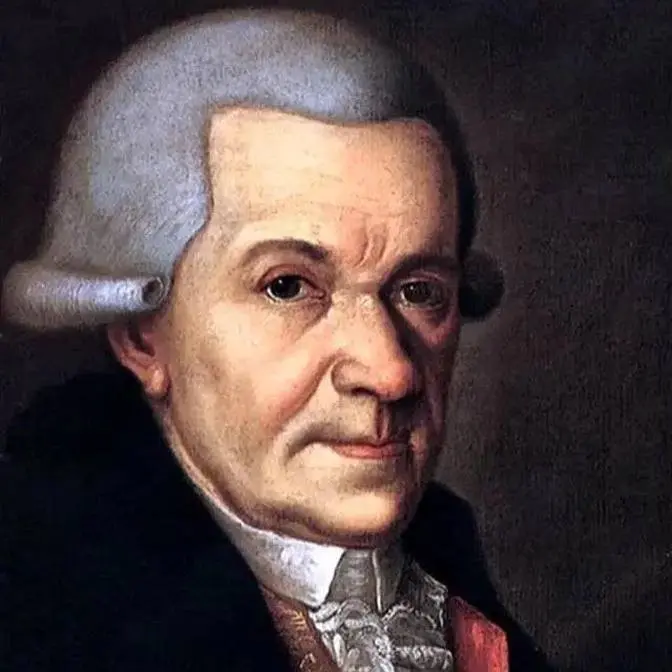
Alles Gute zum Geburtstag Josepha Barbara von Auernhammer! 💖🎹
Consider to support this project on https://ko-fi.com/michaelhaydn
★ WORLD PREMIERE ★
♫ Recovery project of sheet music by Johann Michael Haydn (1737-1806) and by other neglected composers ♫
Composer: Josepha Barbara von Auernhammer (1758-1820)
Work: Dix Variations composées et dediées a Madame la Baronne de Braun ... Op. 63 (c.1810)
Software: Sibelius
Instrument: Fortepiano (1796) by Joseph Dohnal (1759-1829)
World Premiere: Yes
Sheet music (pdf): https://www.musicalion.com/es/scores/partituras/199262/josepha-barbara-von-auernhammer/45057/theme-and-ten-variations
Sheet music (xml): https://www.mediafire.com/file/x038ifo9ls9zsrq/AUERNHAMMER-Variations.xml/file
---
Josepha (Iosephe, Josephine) Barbara von Auernhammer [Auerhammer, Aurnhamer, Auerhahn, Bösenhönig, Pößkönig, Bessenig]
(Vienna, 25 September 1758 - Vienna, 30 January 1820)
Austrian composer. She came from a musical family, with her father Franz Auernhammer being a violinist for the imperialist court in Vienna. She studied with Georg Friedrich Richter, Leopold Anton Kozeluch, and W. A. Mozart. Most of the literature that exists about Auernhammer speaks about her in relation to Mozart, which is a very common treatment for women composers of this time. She performed with him on various occasions, including performing his Sonata for Two Pianos K 448 and many of his other compositions. He also dedicated many pieces to her, including his Violin Sonata K 296. Auernhammer was most often praised for her performances. She played Beethoven’s Piano Concerto Opus 15 shortly after the piece was published in 1801. She also performed often with her daughter, Marianna Auenheim, who was a vocalist and pianist. She gave her last public performance in 1813 with her daughter. As a composer, she wrote most of her works for solo keyboard, which include two harpsichord sonatas, and many sets of variations, often regarded as her most creative works. Her variations are incredibly pianistic and full of virtuosic techniques. Most of her variation sets are based on themes from other composers, typically from operas written during her lifetime, such as this set of variations based on Salieri’s "La stessa, la stessissima" from 'Falstaff'. Auernhammer uses many different compositional techniques, often embellishing the main theme or writing it in a different style to create an interesting set of variations. She also wrote one sonata for violin and keyboard.