
Modern Minimalist Interior Design 2025: Statement Lighting, Black Accents & Neutral Serenity
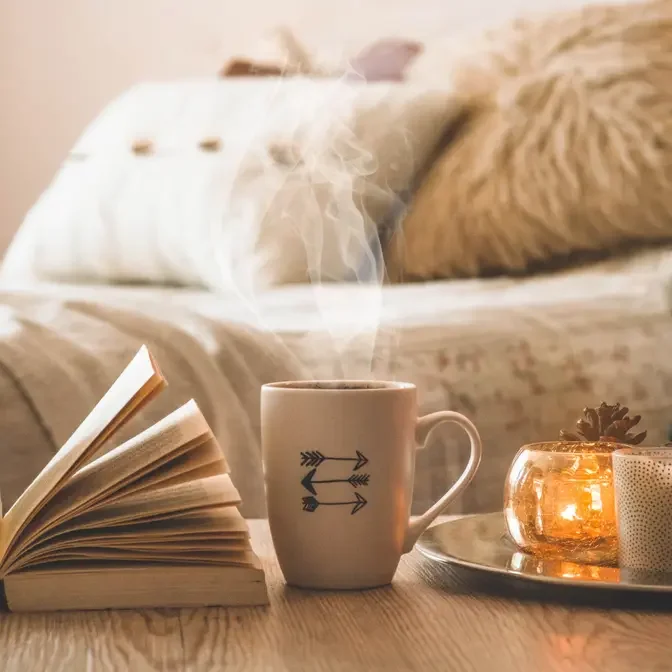
Step into the future of elegant living with Modern Minimalist Interior Design 2025, where serenity meets sophistication. This style blends clean lines and open spaces with an emphasis on focal decor that draws the eye while keeping the atmosphere calm and clutter-free. #Lifestyle #beautiful interior
As we navigate through 2025, modern minimalist interior design has evolved
far beyond the stark, cold aesthetic of previous decades.
Today's minimalism embraces warmth, personality, and sophisticated simplicity
that speaks to our desire for both functionality and emotional comfort.
This contemporary approach to minimalist design combines sculptural elements,
strategic use of bold accents, and a refined,
neutral palette that creates spaces which feel both serene and dynamically engaging.
The result is an interior design philosophy that honors the less is more principle while
acknowledging our human need for beauty, comfort, and visual interest in our living spaces.
Welcome back to the D'Aelier,
where we explore the art of inspiring home design and outdoor courtyard heaven.
Modern Minimalist Interior Design 2025 Statement Lighting, Black Accents, and Neutral Serenity
The 2025 minimalist movement represents a maturation of the style,
incorporating lessons learned from years of overly sparse interiors that often felt unwelcoming.
Today's designers understand that true minimalism isn't about emptiness, it's about intentionality.
Every element in a modern minimalist space serves a purpose,
whether functional, aesthetic, or emotional.
This refined approach allows for statement pieces that command attention without
overwhelming the space, strategic use of color and contrast to create visual hierarchy,
and the incorporation of natural materials that bring warmth and authenticity to clean-lined
environments. This evolution in minimalist design philosophy reflects broader cultural
shifts toward sustainability, mindfulness, and quality over quantity.
As we become more conscious of our environmental impact and seek greater
meaning in our material choices, minimalist design offers a framework
for creating beautiful spaces with fewer, better chosen elements.
The trends we'll explore, from sculptural lighting and strategic black accents to warm
neutral palettes and natural materials, demonstrate how modern minimalism can be
both visually striking and deeply satisfying to live with.
1. Statement Lighting as Modern Sculpture in Minimalist Homes
Why statement lighting is the centerpiece of modern minimalist interiors?
In 2025, lighting transcends its traditional functional role to become
the defining architectural element of minimalist spaces.
Contemporary interior designers recognize that in rooms with limited decorative elements,
lighting fixtures must work harder to create visual interest and establish the room's character.
Statement lighting pieces, whether sculptural chandeliers, oversized pendant lights,
or artistic wall sconces, serve as functional art that provides both illumination and aesthetic
impact. These fixtures become conversation starters and focal points that give minimalist
rooms personality without cluttering the space. The strategic placement of dramatic lighting
allows designers to create zones, highlight architectural features, and add emotional
warmth to otherwise stark environments, proving that minimalism can be both simple and sophisticated.
Top Statement Lighting Trends for 2025 Curved, Oversized, and Organic Designs
The lighting landscape of 2025 is dominated by organic forms and oversized proportions
that command attention through their sculptural presence rather than ornate details.
Curved lines have replaced the harsh angles of previous minimalist trends
with fixtures featuring flowing, asymmetrical forms that mimic natural
shapes like clouds, waves, or abstract botanical forms.
Layered lighting designs combine multiple light sources within a single fixture,
creating depth and visual complexity through the interplay of shadows and illumination.
Materials are becoming increasingly diverse, with designers incorporating
unexpected elements like textured metals, hand-blown glass with intentional imperfections,
and even sustainable materials like bamboo or recycled plastics formed into stunning geometric
shapes. These contemporary fixtures prove that modern minimalism can embrace bold artistic
expression while maintaining the clean aesthetic that defines the style.
Best Lighting Brands and Materials for Minimalist Homes
The luxury lighting market has responded to the demand for minimalist statement pieces
with an array of sophisticated materials and finishes that elevate simple forms into artistic
masterpieces. Matte black finishes dominate 2025 trends, offering dramatic contrast against
neutral walls while maintaining the understated elegance essential to minimalist design.
Frosted glass creates soft, diffused lighting that enhances the serene atmosphere of
minimalist spaces, while alabaster textures add organic warmth and natural variation.
Brushed brass and warm metals provide subtle glamour without overwhelming the space's calm
aesthetic. High-end brands like Apparatus Studio, Tom Dixon, and emerging artisan designers are
leading the movement toward lighting as sculpture, creating pieces that function equally well as room
illumination and artistic installations. These investment pieces prove that quality
over quantity remains central to successful minimalist design.
2. The Rise of Black Accents in Neutral Minimalist Palettes
Why black is the bold accent in today's soft modern interiors?
The strategic use of black in contemporary minimalist design represents a sophisticated
understanding of contrast and visual hierarchy that was often missing from earlier iterations
of the style. In 2025, black functions as a grounding element that prevents neutral
heavy spaces from appearing washed out or lacking in definition. Rather than overwhelming the space,
carefully chosen black accents create focal points that draw the eye and provide visual
anchors in rooms dominated by soft neutrals. This intentional use of black adds confidence
and clarity to minimalist interiors, creating a sense of sophistication that feels both modern
and timeless. Interior designers have discovered that black elements, when used sparingly,
can make beige, cream, and taupe palettes feel more dynamic and intentional,
proving that minimalism doesn't have to mean colorless.
3. Where to Use Black Accents from Window Frames to Dining Chairs
The application of black accents in 2025 minimalist interiors focuses on structural
elements and sculptural furniture pieces that enhance rather than compete with the
overall design scheme. Slim black window frames create dramatic contrast against light walls
while emphasizing the clean lines that define minimalist architecture. Contemporary dining
chairs in matte black finishes become sculptural elements that anchor dining spaces without
overwhelming them. Minimalist coffee tables with black metal frames provide visual weight
that grounds seating areas, while black lighting fixtures create dramatic contrast
points that enhance the room's overall composition. The key lies in choosing elements with simple,
elegant forms where the black finish enhances rather than masks the design's inherent beauty.
Natural materials like oak wood and linen fabrics provide the perfect complement to
black accents, creating a balanced palette that feels both sophisticated and naturally harmonious.
Designers Who Use Black Masterfully in Minimalist Interiors
Leading interior designers have mastered the art of incorporating black elements into minimalist
spaces with precision and restraint that maximizes impact while maintaining aesthetic balance.
Kelly Wersler's approach to black accents demonstrates how strategic placement can
create graphic moments that add sophistication without overwhelming serene color palettes.
Vincent Van Dyson's minimalist interiors showcase black as a tool for highlighting
architectural lines and creating visual frameworks that organize space.
Colin King's designs prove that black elements can introduce graphic balance
while preserving the calm atmosphere essential to minimalist living.
These designers understand that black should frame and enhance rather than dominate,
using it to create visual punctuation marks that give minimalist spaces structure and personality.
3. Warm Neutrals for a Calm, Serene Minimalist Environment
Modern minimalism is warmer in 2025, earthy neutrals take over.
The evolution of minimalist color palettes in 2025 represents a significant shift away from
the cool, sterile aesthetics that once defined the style toward warmer,
more inviting neutral tones that create naturally calming environments.
Contemporary minimalist spaces embrace earthy neutrals like sand, oat, clay, mushroom, and
chalk, colors that reference natural materials and landscapes rather than industrial or
technological inspirations. These warmer neutrals create interior environments that
feel inherently welcoming and nurturing while maintaining the visual simplicity
that makes minimalist spaces so restful. The psychological impact of these color
choices cannot be understated, warm neutrals promote relaxation and
well-being in ways that cooler palettes often fail to achieve.
This shift reflects a broader understanding that our homes should serve as sanctuaries
that support both our aesthetic preferences and our emotional needs.
How to Layer Warm Neutrals, Texture over Color
The art of creating rich, engaging minimalist interiors using warm neutrals lies in
understanding how to layer textures rather than relying on color contrast for visual interest.
Contemporary designers focus on mixing materials like raw plaster walls,
natural linen upholstery, unglazed ceramic accessories,
and unsealed wood furniture to create depth and movement within a cohesive color story.
This approach allows for subtle variation in tone and finish that creates visual richness
without breaking the calm, unified atmosphere essential to minimalist design.
Textural contrast becomes the primary tool for creating hierarchy and focus,
rough against smooth, matte against subtle sheen, woven against solid.
Best Color Combinations for Serene Modern Minimalist Interiors
Creating successful color combinations in warm neutral minimalist spaces requires
understanding how different tones work together to create both harmony and subtle contrast.
The foundation typically begins with soft white or cream walls that provide a clean backdrop for
furniture and accessories in deeper neutral tones like taupe, mushroom, or warm gray.
Cream-tone textiles add softness and comfort while maintaining visual cohesion,
while strategic touches of warm terracotta or natural would introduce
organic elements that prevent the space from feeling too precious or contrived.
The key lies in varying the saturation and undertones of neutrals,
mixing cooler and warmer versions of similar colors to create subtle complexity.
This sophisticated approach to color creates minimalist interiors that feel
both elegant and deeply relaxing, proving that neutral doesn't have to mean boring.
4. Minimalist Furniture with Sculptural Silhouettes
Furniture that feels like art, sculptural minimalism explained.
The furniture landscape of 2025 has transformed minimalism from a philosophy of reduction into
a celebration of functional sculpture, where each piece serves as both practical furniture
and artistic statement. Contemporary minimalist furniture abandons the harsh angles and flat
surfaces of earlier iterations in favor of organic curves, flowing lines,
and unexpected proportions that create emotional resonance.
Sofas designed with cloud-like curves invite relaxation while commanding attention as
sculptural elements. Chairs that fold and unfold like origami demonstrate how engineering can
become art. Tables supported by asymmetric bases challenge traditional proportions while
maintaining perfect functionality. 5. Designers Leading the Sculptural
Minimalism Movement The sculptural minimalism movement has been
pioneered by visionary designers who understand how to balance artistic expression with functional
requirements. Faye Tugud's approach to minimalist furniture demonstrates how organic shapes and
crafted textures can create pieces that feel both contemporary and timeless.
Pierre Yovanovitch's designs showcase how fluid forms can maintain the clean
aesthetic of minimalism while introducing emotional warmth through sculptural silhouettes.
Kelly Behan's work proves that minimalist furniture can be both functionally excellent
and visually striking, with pieces that serve as focal points without overwhelming their
environments. These designers share a commitment to quality craftsmanship and
thoughtful proportion that elevates functional objects into the realm of art.
How to style statement furniture without overcrowding the space?
The successful integration of sculptural furniture into minimalist spaces requires
restraint and an understanding of how each piece contributes to the overall composition.
The golden rule of sculptural minimalism is to feature one statement piece per room,
allowing it to command attention without competing with other elements for visual dominance.
These striking pieces require simple backdrops that enhance rather than distract from their forms,
neutral walls, minimal window treatments, and carefully edited accessories that support rather
than overwhelm. Lighting plays a crucial role in highlighting sculptural furniture,
with strategically placed fixtures that create shadows and depth that emphasize the piece's
unique silhouette. Neutral area rugs can help define spaces around statement furniture while
providing textural foundation that complements rather than competes.
5. Natural Materials and Matte Finishes in Modern Minimalist Homes
Minimalism gets earthy. Why natural materials dominate 2025 interiors?
The integration of natural materials into contemporary minimalist design
represents a fundamental shift toward creating spaces that feel authentic,
sustainable, and deeply connected to the natural world.
Stone, wood, plaster, linen, and terracotta have become the building blocks of modern
minimalist interiors because they provide the warmth and texture that pure minimalism often lacks.
These materials age beautifully, developing patinas and character that make spaces feel
lived in rather than sterile. Their inherent imperfections—wood grain variations,
stone's natural texture, linen's organic weave—add visual interest without
compromising the clean aesthetic that defines minimalist design.
6. Best Matte Finishes for a Modern Calm Interior Look
The preference for matte finishes in 2025 minimalist interiors stems from their ability
to create visual softness and reduce harsh light reflections that can make spaces feel
uncomfortable or institutional. Matte surfaces absorb light rather than reflecting it,
creating the gentle, diffused illumination that makes minimalist spaces feel serene and welcoming.
Clay vessels with natural matte glazes add organic texture without introducing distracting shine.
Raw wood cabinetry maintains the material's natural beauty while
eliminating the glossy finishes that can make minimalist spaces feel cold.
Brushed metal lighting fixtures provide subtle sophistication without the harsh reflections of
polished metals. Limewashed walls create depth and interest through subtle texture
variations while maintaining the neutral palette essential to minimalist design.
Eco-friendly and high-end, top sustainable material choices.
The intersection of luxury and sustainability has created a new category of premium materials
that allow minimalist interiors to be both beautiful and environmentally responsible.
FSC-certified woods ensure that timber products come from responsibly managed forests
while reclaimed stone and brick add character while reducing environmental impact.
Non-toxic paints and finishes protect indoor air quality while providing the
clean colors essential to minimalist palettes. Organic textiles like hemp, linen,
and certified organic cotton offer luxury comfort without environmental compromise.
Brands like TRNK, Menyoo, and Frama have emerged as leaders in sustainable luxury,
creating minimalist furniture and accessories that
prove environmental consciousness and high design can coexist beautifully.
Conclusion
The evolution of minimalist interior design in 2025 represents a sophisticated maturation of
the style that honors its foundational principles while embracing warmth, personality, and emotional
resonance. Through the strategic use of statement lighting, carefully chosen black accents,
warm neutral palettes, sculptural furniture, and natural materials, contemporary minimalism has
transcended its stark origins to become a design philosophy that supports both aesthetic beauty
and human well-being. This refined approach proves that minimalism need not be cold or austere.
Instead, it can be a framework for creating spaces that feel both sophisticated and deeply nurturing.
As we continue to navigate an increasingly complex world, the principles of modern
minimalist design offer a path toward creating homes that serve as true sanctuaries.
These spaces support both productivity and relaxation, individual expression and universal
appeal, aesthetic sophistication and practical function.
The 2025 interpretation of minimalism demonstrates that the style's future
lies not in rigid adherence to rules but in thoughtful application of principles
that honor both human needs and environmental responsibility,
creating spaces that are not just beautiful to look at but wonderful to live in.