
How Millions Of Geese Are Raised For Their Meat, Liver, And Feathers In Europe - Goose Liver Process
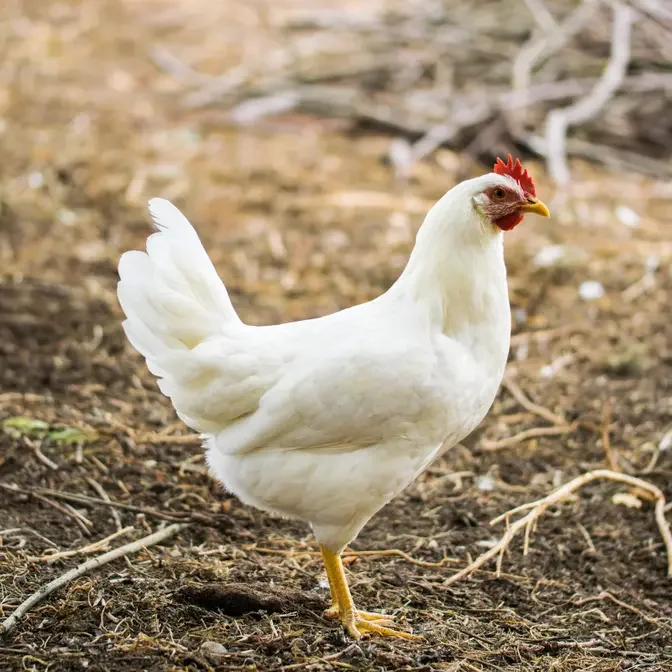
Geese, a unique poultry species with high economic value,
have become one of the most prized sources of food worldwide.
Each year, millions of geese are raised to provide meat and liver, with goose liver,
also known as foie gras, holding a particularly significant place in culinary arts.
The uniqueness and high nutritional value of goose liver have made it a symbol of sophistication and
class in global cuisine. How is it possible to achieve such impressive yields?
Let's dive in and explore a goose farming operation right now.
After being carefully collected from these natural straw nests,
the eggs are taken to be used in the breeding process.
Each egg is marked with a number to facilitate easy tracking and monitoring throughout the
and spacious living conditions. During this stage, they are occasionally allowed outdoors
challenging stage of their lives, aimed at achieving the best liver yield from each goose.
Farmers use specialized feeding machines. This is a technique commonly employed during the process
lower body of the goose, creating an opening to access the liver. The liver is carefully
extracted by hand by a team of skilled workers, ensuring it is not damaged, maintaining its quality
some are transferred to a processing area to be made into canned pâté.
The goose liver is ground together with a mixture of spices and water,
creating a smooth, rich blend with a distinct flavor.
Goose meat is also one of the premium ingredients highly sought after in the global culinary market.
In the initial step, workers and machinery separate the breast meat,
the most favored part due to its tenderness and high nutritional value.
Finally, the sorted breast, thigh, and wing cuts are carefully packed into individual vacuum-sealed
bags for better preservation before being distributed to the market.
Additionally, goose feathers are very useful to humans. They are not only well known for
their softness and lightness, but also for their excellent warmth retention.
And that is the journey from healthy geese to premium products such as exquisite foie gras
and high-quality goose meat. If you want to witness the fascinating intricacies of these
production lines and delve deeper how these factories work, then you can watch our next
tools to gently shake the branches, allowing the olives to fall naturally onto the nets.
However, for ancient or tall olive trees, manual methods cannot be applied. In this case,
farmers use tree-shaking machines to harvest the olives.
Once the nets have completed their job, farmers carefully gather and store them.
A machine with a rotating shaft handles this process,
rolling the nets neatly into the machine body for reuse in the next harvest.
After being thoroughly washed, the olives are transferred into the milling chamber.
The mill is specially designed to crush the olives into a paste,
including both the flesh and the pits. The milling process lasts about 20 to 30 minutes,
during which the olives are crushed into a paste in the milling chamber.
This paste is then transferred to the extraction stage to collect the juice.
To create a soap with a natural shape, the castile soap mixture is poured directly
onto a floor surface that has been carefully prepared. It will take approximately 24 to 48
hours for the saponification process to harden and turn into a solid form.
However, they cannot be released to the market for consumers yet,
as they still require an additional five months for further saponification.
During this time, the clean soap bars will be neatly stacked into columns in the warehouse.
The olive oil is transferred to the automatic packaging line.
This system includes processes such as filling the oil into glass bottles,
sealing the caps, applying labels, and quality control checks.
Olives are a gift from nature, not only beneficial for health,
but also the perfect secret for beauty care.
Thank you for joining me on this journey, and I look forward to meeting you on the next one.