
Vintage Art: Figurative Art by Edmund Blair Leighton | 30 Minutes of Relaxing 8K HD Video with Music
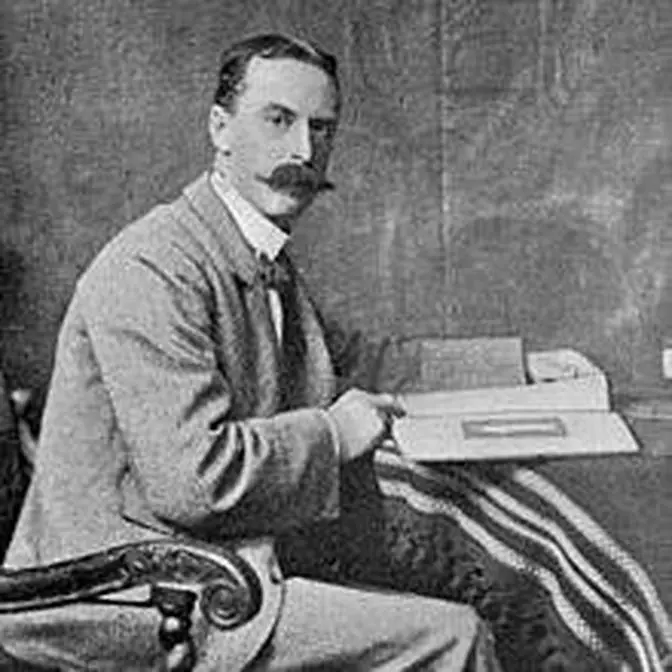
Artist: Edmund Blair Leighton
(English, 1853 - 1922)
Chapters:
00:01 - The Shadow
02:31 - God Speed (1900)
05:01 - A Picnic Party (1920)
07:31 - Straying Thoughts (1913)
10:01 - Lay Thy Sweet Hand In Mine And Trust In Me (1891)
12:31 - Ribbons And Laces For Very Pretty Faces (1902)
15:01 - ‘What shall I say’ (1889)
17:31 - The Ferry
20:01 - Yes Or No (1890)
22:31 - Le billet doux (1915)
25:01 - My Lady’s Garden (1905)
27:31 - My next door neighbour (1894)
About Artist:
Edmund Blair Leighton (1853–1922) was an English painter celebrated for his romanticized portrayals of medieval and Regency-era themes. His works are known for their meticulous attention to period detail and their ability to evoke a sense of nostalgia for chivalric ideals and genteel courtship. Leighton studied at the Royal Academy Schools in London, and his dedication to historical accuracy and romantic storytelling quickly earned him popularity among art collectors.
Among his best-known paintings is God Speed (1900), depicting a young knight bidding farewell to his beloved, with whom he exchanges a tender look. This painting, rich in emotion and detail, highlights Leighton’s ability to evoke sentiment while celebrating ideals of loyalty and love. Similarly, The Ferry captures the quiet elegance of a romantic encounter, as the artist's delicate brushwork and harmonious color choices bring the scene to life.
Other notable works include Straying Thoughts (1913), where a young woman, lost in thought, illustrates Leighton’s skill at capturing introspective moods. Ribbons And Laces For Very Pretty Faces (1902) presents a cheerful scene of young women selecting ribbons, bringing a lighthearted touch to his oeuvre.
Leighton’s work often focused on themes of chivalry, romance, and idealized love, as seen in Lay Thy Sweet Hand In Mine And Trust In Me (1891) and Yes or No (1890). His paintings remain beloved for their beauty and craftsmanship, offering a window into an idealized past while capturing universal themes of human emotion.