
Gaetano Donizetti - Miserere, A 703 (1843)
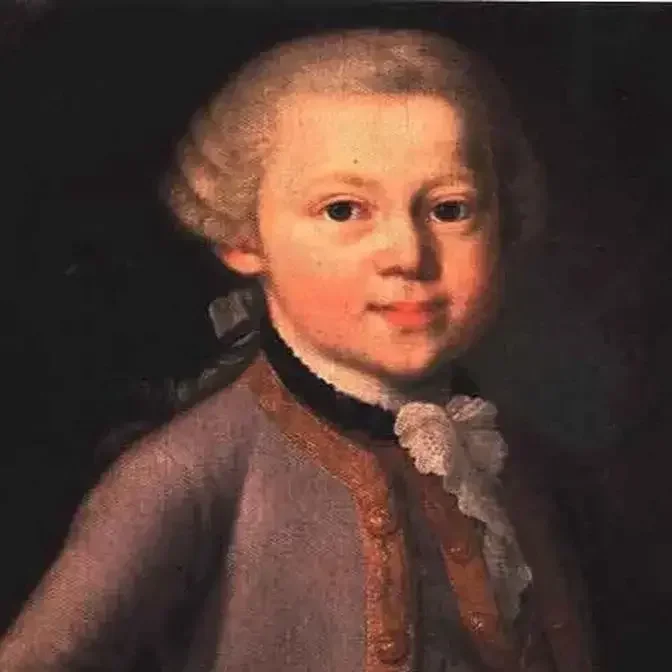
Domenico Gaetano Maria Donizetti (29 November 1797 – 8 April 1848) was an Italian composer, best known for his almost 70 operas. Along with Gioachino Rossini and Vincenzo Bellini, Donizetti was a leading composer of the bel canto opera style during the first half of the nineteenth century.
Please support my channel:
https://ko-fi.com/bartjebartmans
Miserere in G minor, A 703 (1843)
Libretto: Psalm 51
1. Introduzione. Larghetto (0:00)
2. Lento e piacere. Et secundum. (3:38)
3. Tenore solo. Larghetto. Amplius lava me (4:35)
4. Lento a piacere. Quoniam iniquitatem (6:35)
5. Larghetto. Tibi soli peccavi (7:27)
6. Lento a piacere. Ecce enim veritatem (8:53)
7. Andante. Ecce enim veritatem (9:50)
8. Lento. Asperges me (11:30)
9. Andante mosso. Auditui mea (12:22)
10. Lento. Averte faciem tuam (15:12)
11. Soprano solo. Larghetto. Cor mundum crea in me (16:04)
12. Lento. Ne proicias me (18:53)
13. Vivace. Redde mihi laetitiam (19:49)
14. Lento. Docebo iniquos vias (21:04)
15. Andante. Libera me (21:44)
16. Lento. Domine labia mea (24:29)
17. Basso solo. Larghetto maestoso. Quoniam, si voluisses (25:35)
18. Largo. Sacrificium Deo (27:43)
19. Andante. Begigne, fac, domine (29:17)
20. Largo. Tunc acceptabis (30:35)
21. Fuga finale. Allegro (31:41)
Sergei Leiferkus, Alexei Martynov, Alexander Pyaternev, Valerian Kazimirovsky, Smaragda Isayeva, Olgerts Cintins.
Latvian State Academic Choir and Moscow Philharmonic Symphony Orchestra conducted by Dmitri Kitayenko
Retracing the Path of Donizetti’s Miserere
In the 1810s and early ’20s, the young Donizetti exercised his hand copiously on all the traditional liturgical forms, at first under the guidance of his beloved teacher and mentor Giovanni Simone Mayr. One particularly well-formed example was a Miserere in G minor, dating from 1820, for the sombre combination of male voices and low-register strings (violas, cellos, and contrabasses without violins). This youthful score, unpublished in Donizetti’s lifetime, was edited in 1978 by Alberto Zedda from a manuscript now in the Vatican Library, and has had occasional performances since then. It shows a sure contrapuntal technique and the beginnings of Donizetti’s individual compositional voice, with some beautifully grave melodic ideas. But this was just the first step on what turned out to be a long path for those ideas.
View fullsize
Donizetti in 1842, engraving by Joseph Kniehuber (Vienna)
Donizetti in 1842, engraving by Joseph Kniehuber (Vienna)
At some point in the 1830s, Donizetti seems to have made a new version in Naples. This is alluded to in one of his letters, and if the score is the one in the Bibliothèque National with the tentative date of 1837, it was still for male voices only. We don’t know whether it was performed, but there is a lot we don’t know! Research on Donizetti’s vast list of non-operatic works is still in its exploratory phase. (In this case, there is also the complication that he composed another full-scale Miserere in a different key; lists and catalogues often fail to specify which one is meant.)
Read more about the Miserere here:
Retracing the Path of Donizetti’s Miserere
In the 1810s and early ’20s, the young Donizetti exercised his hand copiously on all the traditional liturgical forms, at first under the guidance of his beloved teacher and mentor Giovanni Simone Mayr. One particularly well-formed example was a Miserere in G minor, dating from 1820, for the sombre combination of male voices and low-register strings (violas, cellos, and contrabasses without violins). This youthful score, unpublished in Donizetti’s lifetime, was edited in 1978 by Alberto Zedda from a manuscript now in the Vatican Library, and has had occasional performances since then. It shows a sure contrapuntal technique and the beginnings of Donizetti’s individual compositional voice, with some beautifully grave melodic ideas. But this was just the first step on what turned out to be a long path for those ideas.
View fullsize
Donizetti in 1842, engraving by Joseph Kniehuber (Vienna)
Donizetti in 1842, engraving by Joseph Kniehuber (Vienna)
At some point in the 1830s, Donizetti seems to have made a new version in Naples. This is alluded to in one of his letters, and if the score is the one in the Bibliothèque National with the tentative date of 1837, it was still for male voices only. We don’t know whether it was performed, but there is a lot we don’t know! Research on Donizetti’s vast list of non-operatic works is still in its exploratory phase. (In this case, there is also the complication that he composed another full-scale Miserere in a different key; lists and catalogues often fail to specify which one is meant.)