
The Cardigan Welsh Corgi vs Pembroke_ Compare the breeds and find out which is better!
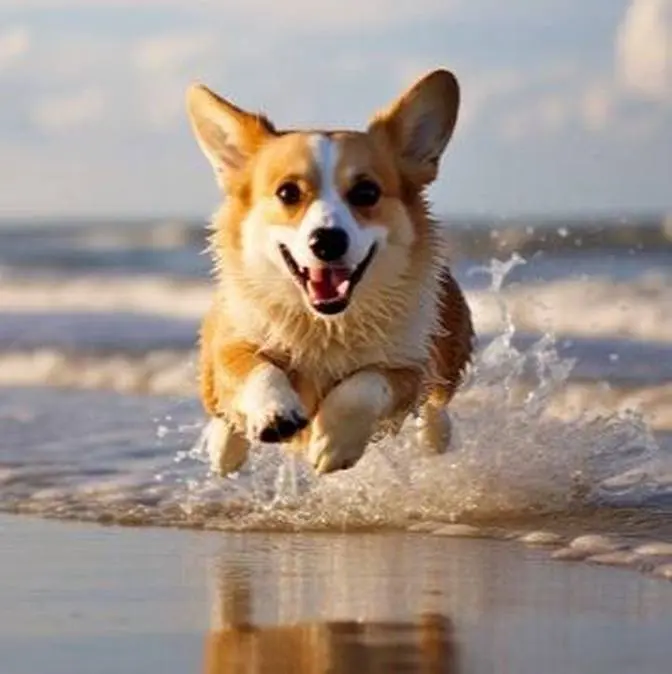
Hello there and welcome to the Pets A Plenty channel. Making a selection between the
Cardigan Welsh Corgi and the Pembroke Welsh Corgi can be challenging as both breeds are
outstanding in their unique ways. We understand this challenge so don't worry because, as usual,
we've got you covered here on Pets A Plenty. Today on the channel, we've gathered all the
helpful information about these breeds to help you make the ultimate choice on the dog which
gets that particular spot in your home with a nine-round battle that covers all aspects of life
from their history to their health. Before we continue though, we would love for you to become
a member of the channel by clicking on the join button down below. You can also review the perks
of Pets A Plenty membership after clicking the join button. All right, here we go. Cardigan
Welsh Corgi versus Pembroke Welsh Corgi. Let's start the fight. Round one, history.
The corgi gets its name from the Celtic word for dwarf, which is corgi. No one ever thinks of a
corgi when they need a herding dog. Considering their diminutive stature, you'd assume corgis
will be beneficial at herding cattle. However, this lack of height made it easy for corgis to
move herds of cattle by biting at their heels. Cardigan Welsh Corgis have been herding longer
than other corgis. One of the world's oldest dog breeds, they were initially introduced to Britain
by Celtic invaders from Central Europe. Arriving in Wales in 1200 BC, the cardigan was present in
the British Isles centuries before the Pembroke. The breed was named for its original home of
Cardiganshire, Wales. Even though both corgis are from Wales, they're not related. As far as
ancestry goes, the Cardigan Welsh Corgi is more closely linked to the Dachshund than the Pembroke
Corgi. Like Cardigan Welsh Corgis, Pembrokes were first bred as herding dogs, but they haven't been
around nearly as long. Pembroke Corgis were introduced in 1107 AD, some 2,000 years after
Cardigan Corgis. This dog came from Belgium and belonged to several craftsmen who were given
permission by Henry I to settle and work in South Wales. Although newer, they're the most popular
corgi breed, ranked 13th out of 200. The name Pembroke comes from Pembrokeshire in Wales. The
Cardigan Corgi and this breed share no common ancestry. Pembroke Corgis are more closely linked
to Pomeranians, Norwegian Elkhounds, and Chow Chows. With one point each, they start off strong
on the scoreboard. Round Two, Appearance
Differentiating Cardigan Corgis is easiest by looking at their tails, not their histories.
Pembrokes don't have tails, but Cardigans do. This is the most telling characteristic,
and although not easily noticed, the Pembroke has more erect, pointed ears while the Cardigans are
more rounded. Cardigan and Pembroke are tiny breeds, but the Cardigan has a little inch of
added height. The Pembroke is between 10 and 12 inches tall, while the Cardigan stands between
10.5 and 12.5 inches. A male Cardigan can weigh 30 to 38 pounds, while a female can carry 25 to
34 pounds. The male Pembroke can reach 30 pounds and the female 28 pounds. Their tiny legs are
proportional to their stature. They're among the 19 existing dog breeds with short legs, which may
have been linked to the dwarfism gene. Both herding dogs have an undercoat for protection against the
damp and cold weather in Wales. Both have fluffy, smooth coats, while the Pembroke only comes in a
few colors, such as white, tricolor, sable, and red. The Cardigan may be found in a wide variety of
patterns and shades. Both have a distinct patch on their backs where the direction and intensity of
their fur change. So, does posterior projection, or lack of, lessen the cuteness factor? Not by
any means. They deserve a point each for their appearance, so two points for the Cardigan and two
for the Pembroke. Round 3. Temperament. Despite their heritage as herding dogs, both breeds are
primarily kept as house pets. An afternoon spent on the couch with loved ones is just as appealing
to them as an outing in the woods, saying something. They can easily adjust to the routines of their
homes, making them popular choices for households worldwide. Both are affectionate and kind to their
human families and love kids. That being said, their heritage as herding dogs may display herding
or nipping tendencies and should not be left unsupervised with children. They get along with
other pets, including dogs, so they're perfect for multi-pet households. Just no sheep. They have
separation anxiety when left alone for lengthy periods. This can manifest in various other ways,
from excessive whining and barking to outright destruction. While both breeds have quirks, the
Cardigan Corgi is noticeably calmer and less hyper than its miniature counterpart. They aren't always
as eager to take part in events. They don't just jump right in, but tackle things more methodically.
On the other hand, that doesn't mean they won't react to strange noises or threats with alarm
barking. Due to their more prominent ears, Cardigan Corgis are exceptionally attentive and make good
watchdogs. Compared to the Pembroke, he has reserved more of his working dog instinct and is
considerably more territorial. This dog is known for being distant and less friendly towards
strangers. He will take his time to evaluate a stranger before demanding affection and attention.
Pembroke Corgis are known for being more active and social than their Cardigan Corgi can. They're
more extroverted and eager to join in on the fun when allowed to play outside. Pembroke Corgis are
the more alert and vocal of the two breeds. These pups are excellent guard dogs but aren't as shy
about strangers as the Cardigan. Since they have less fear, strangers are often welcomed with open
paws and shown lots of affection. Despite their devotion to their people, Pembroke Corgis like
spending time alone. Being more active means more playtime. They still enjoy lounging indoors with
their owners, but they also enjoy frolicking in the great outdoors. This Corgi breed enjoys long
walks and adventurous activities like hiking. While they may be tiny, Pembroke Corgis are
surprisingly swift and nimble on their feet. They're known to be incredibly clumsy and goofy,
so if it's dog foolery you're after, the Pembroke is your pooch. Each breed is tailor-made to fit
in different family types given their different energy levels. The Cardigan Corgi is a better
choice for chill households, while Pembrokes are more suited to active people. So let's keep moving
Both Corgis must be brushed twice or three times weekly to keep them healthy. They begin to lose
their surplus fur as the weather warms up, and considering how tiny they are, that's a lot of fur.
During shedding seasons, brush your Corgi daily to maintain his coat manageable for him and your home.
Cardigan and Pembroke only need baths every two months. More frequent baths will strip their coat
of its natural oils. As with all dogs, but more so the petite breeds, their dental hygiene requires
special attention. So keep your Corgi's teeth in good shape by brushing them once a week. Regular
nail trimming is also recommended. One point each for this round, guys. It's four points for the
Cardigan and four for the Pembroke. Round 5. Socialization
Given their ancestry, if you want a well-behaved puppy, you must socialize them early because of
their nipping and herding inclinations. Dog socialization entails exposing your dog to as many
new experiences as possible so that he or she can learn to behave appropriately in typical settings
such as walking calmly on the sidewalk or getting along fine with other dogs of varying sizes and
temperaments. Success hinges on making every interaction positive. There are a lot of
similarities in their socialization, so they get a point each. Five for the Cardigan Corgi and five
for the Pembroke. Round 6. Exercise Although the Pembroke is the more energetic of the two,
both breeds are categorized as medium-energy ex-working dogs, so they won't be lounging around
all day drinking tea. They need about 45 to 60 minutes of exercise daily and enjoy playing fetch
in the yard or at the park. Modern Corgis would benefit just as much as their forebears from access
to expansive fields to run and play. They're both incredibly athletic and excel at agility courses.
If you can't take them there frequently, consider getting them some frisbees and maybe tug-of-war
ropes to keep them busy. A puzzle toy stuffed with tasty sweets would keep them occupied for hours.
Let's give them a point each for their energy levels. Six points each, guys. The fight is
moving on with a tie on the scoreboard. Round 7. Training As working dogs, both the Pembroke
and Cardigan are easily trainable if you're consistent in your training. Early, consistent,
and positive reinforcement training is the key to instilling discipline and ensuring compliance.
Since they're motivated by food, treats will be primary motivators. Take advantage of this,
but complement their hard work with plenty of vocal compliments. Unfortunately, the Corgi's
independence and stubbornness often discourage owners from sticking with the training process.
Don't worry, it's probably not your fault. Corgis are just known to complete tasks on their own
schedule. And it's seven points to each breed. That's one point for the Cardigan, one for the
Pembroke. Round 8. Diet and Nutrition The daily food intake of a Cardigan is about the same as
that of a Pembroke. Feed your Corgi one half to two cups of dry food a day if he's a high-energy
puppy, but less if he's more of a couch potato. He will gain weight rapidly, so watch his portions
closely and limit treats. Exercise and feeding your Corgi premium dog chow will keep him healthy
and out of the vet's office. And the tie continues at eight points each. Let's see where the final
round leads us. Round 9. Health Although the Cardigan and Pembroke Corgis are usually
healthy dogs, they are also susceptible to similar health problems. The Pembroke has a
shorter life expectancy of 12 to 13 years compared to the Cardigan's 12 to 15 years. When it comes to
Corgis, hip dysplasia, degenerative myelopathy, and progressive retinal atrophy are all conditions
worth checking for. Given their long and compact spines, they're both at risk for intervertebral
disc disease, a condition characterized by the degeneration and eventual rupture of spinal discs.
Not letting them jump from heights can prevent this condition. If your Corgi is acting strange
or you notice discomfort, a vet trip is in order. We've come to the end of the fight, guys. We have
a tie at nine points each. These dogs come from different breeds, but despite their superficial
differences, they share many other characteristics in common. You can't go wrong with the Cardigan
Welsh Corgi or the Pembroke Welsh Corgi if you have a lot of affection and love to give. They'll
direct their love and attention right back at you. We'd love to conclude by saying every human
has a choice. It's vital to consider your personal needs and environment during adoption. However,
it's always worth knowing about the similarities and differences between these breeds. Both dog
breeds can work excellently as a pet or companions. This is our evaluation. Remember, yours may be
different. In addition, before adopting a dog, do well to seek professional advice from the breeder
and your veterinarian. What are your thoughts on today's contest? Let us know in the comment
section. Consider becoming a member of the channel by clicking the join button to get
early access to our upcoming videos plus other membership perks. Also, check out our playlists
and click on the video links that pop up at the end of this video. Thank you for watching.