
9 SECRET Cat Tail Signs (I Bet You Don’t Know them All!)
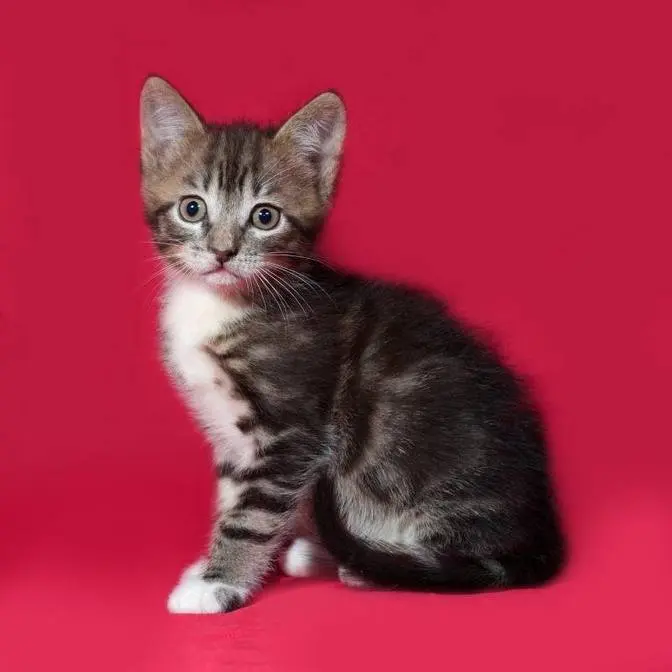
Did you know that your cat's tail is communicating with you?
It's like a secret language, constantly sending signals about how they feel.
From excitement to fear, curiosity to contentment,
decoding your cat's tail movements can unlock a deeper connection with them.
Want to know what that tail flick, puff or curl means?
Stick around, because by the end of this video,
you'll understand your feline friend like never before.
Number 1. The Upright Tail
When your cat holds its tail upright, it's like they're giving you a warm welcome.
This is one of the most common and easily recognizable tail positions,
often signaling that your cat is confident, content, and in a good mood.
Cats use this position when greeting someone they trust.
You'll likely see it when you walk through the door after a long day,
and your cat approaches with their tail held high.
What's fascinating is that this isn't just a random behavior.
A study conducted by feline behaviorist Cameron Beaumont in 1997
showed that cats are more willing to approach a silhouette with an upright tail
than one with a lowered tail.
Why? Because an upright tail is a signal of friendliness in the feline world.
It's your cat saying,
Hey, I like you. Let's hang out.
This tail position is also a leftover instinct from kittenhood.
Kittens often raise their tails when greeting their mother,
showing affection and seeking comfort.
If your cat approaches you with a high tail,
it's a great time to reciprocate by offering affection,
perhaps with some gentle petting or playtime.
It's their way of inviting interaction and saying,
I feel safe with you.
Number 2. Wrapping Their Tail Around You
When your cat wraps their tail around your leg or arm,
it's like they're giving you a feline hug.
This gesture is all about love, trust, and comfort.
Unlike dogs, who may jump up to greet you or give you licks of affection,
cats are more subtle.
Wrapping their tail around you is their way of showing
they feel relaxed and bonded with you.
This behavior isn't just reserved for humans.
Cats will often wrap their tails around other cats they are close to,
a behavior known as aloe rubbing in the world of feline behavior science.
You'll see this, especially in cats that live together
and have formed a close bond.
It's their version of holding hands or hugging.
In essence, it's a sign of friendship,
both in their interactions with you and with other cats.
When your cat wraps their tail around you,
you can take it as a sign that they see you as part of their inner circle.
Number 3. The Quivering Tail
Now let's talk about a more unusual but important tail behavior,
the quivering tail.
This is where your cat's tail stands erect but vibrates in a rapid motion.
It's often a sign of excitement.
You may notice this when you're about to feed them
or when you come home after being gone for a while.
The quivering tail is essentially your cat saying,
I'm so excited to see you.
But here's where it gets interesting.
That quiver can also signal something else entirely.
Territory marking.
If your cat backs up against a vertical surface while their tail is quivering,
they're likely marking their territory with urine.
While both male and female cats engage in this behavior,
unneutered males are particularly prone to it.
According to studies,
this marking behavior is usually to signal their presence to other cats,
especially during mating seasons.
So, if you see your cat quivering its tail and backing up,
they might be more than just happy.
They might be leaving a scent message for other cats in the area.
Number 4. Puffed Up Tail
We've all seen it.
A cat's tail puffed up like a bottle brush.
Contrary to popular belief, this isn't a sign of aggression.
It's quite the opposite.
When your cat's tail puffs up,
it's usually because they're startled or frightened.
This is a defensive behavior designed to make them look bigger
and more intimidating to whatever they perceive as a threat.
This instinctive reaction can be traced back to their ancestors.
In the wild,
looking bigger could mean the difference between life and death.
A puffed up tail combined with an arched back
makes your cat appear more formidable to potential predators or rivals.
Interestingly,
research shows that this behavior is not only triggered by immediate danger
but also by unfamiliar surroundings or sudden loud noises.
So next time you see your cat turn into a puffball,
it's likely they're reacting to something unexpected.
The best thing you can do?
Give them some space to calm down
and let them approach you when they feel safe again.
Number 5. Tail Held Low or Tucked Under
When a cat holds its tail low or tucks it between its legs,
it's a clear sign that they're feeling anxious or afraid.
This is a vulnerable position for a cat
and it usually means something in their environment is making them uncomfortable.
According to animal behaviorist Dr. John Bradshaw,
this tail posture often occurs when a cat feels cornered or overwhelmed.
If you notice this behavior, it's important to assess the environment.
Is there something that could be scaring your cat?
A loud noise?
Another pet?
A tail tucked under the body indicates submission and nervousness.
Your best move in this situation is to give your cat space
and make sure they have a safe, quiet place to retreat to.
Over time they'll relax and their tail will return to a more neutral position.
Before proceeding, if you found this video helpful,
please like and subscribe to the channel to show your support.
Number 6. Tail Tip Twitching
When your cat's tail tip twitches, it's like they're on high alert.
This can happen when they're stalking prey,
even if it's just a toy, or when they're intensely focused on something.
However, it can also be a sign of mild irritation or frustration.
This tail twitching is often accompanied by other body language cues,
like focused eyes or perked up ears, especially when hunting.
According to feline behaviorists, this is a sign that your cat is in hunting mode.
They're laser focused and their entire body is preparing for action.
But if they're not stalking anything, that twitch can mean something else,
annoyance.
If you're petting your cat and you notice their tail tip twitching,
it's probably time to stop and give them some space.
Your cat is saying, I've had enough.
Number 7. Slow, Side to Side Tail Swings
A slow, rhythmic tail swing from side to side
usually indicates that your cat is deeply concentrating on something.
This is often seen when they're observing a potential target,
like a toy or an insect, and are preparing to pounce.
This movement is a hallmark of a cat in hunting mode, but it can also signal curiosity.
They might be watching something from a distance,
sizing it up before deciding whether to investigate.
If you see this tail movement, it's best not to interrupt them.
Your cat is fully engaged in whatever has caught their attention.
Number 8. Thumping Tail
If you've ever seen your cat's tail thumping loudly against the floor
or rapidly whipping back and forth, don't mistake it for excitement.
This isn't the cat equivalent of a dog's wagging tail.
It's the complete opposite.
When a cat's tail starts thumping, they usually feel irritated, frustrated, or even agitated.
This behavior often precedes defensive actions like hissing, swatting, or biting.
According to animal behavior experts,
a rapidly moving tail is a strong indicator that your cat is agitated and warns you to back off.
Whether it's due to overstimulation from petting or frustration during play,
it's a signal you shouldn't ignore.
You'll often see this tail movement paired with other body language signs,
like flattened ears, dilated pupils, or a stiffened body posture.
These are clear signals that your cat needs space,
and continuing to engage them could lead to aggressive behavior.
Interestingly, this tail behavior has roots in your cat's wild ancestors.
In the wild, cats would use similar tail motions to express displeasure or warn off potential threats.
Even though our domesticated cats are far removed from their wild cousins,
those instincts are still very much intact.
Number 9. The Question Mark Tail
Have you ever noticed your cat's tail curling at the top,
forming a shape like a question mark?
This tail posture is one of the most charming and playful signals your cat can give.
When their tail forms this distinct curve,
it's a clear sign that they are feeling friendly, curious, and open to interaction.
It's as if their tail is asking,
What's going on here?
Cats often display the question mark tail when they're in a relaxed but inquisitive mood,
exploring their environment, or approaching you with friendly curiosity.
You might spot this tail position when your cat is strolling around the house,
investigating a new object, or even greeting you after a nap.
And there you have it.
A comprehensive guide to decoding your cat's tail language.
By learning to read these subtle tail movements,
you'll not only improve your understanding of your cat's emotions,
but also deepen the bond you share.
Ever wondered what's so special about black cats?
Watch this video to discover the magical world of black cats.