
Capture: Communication
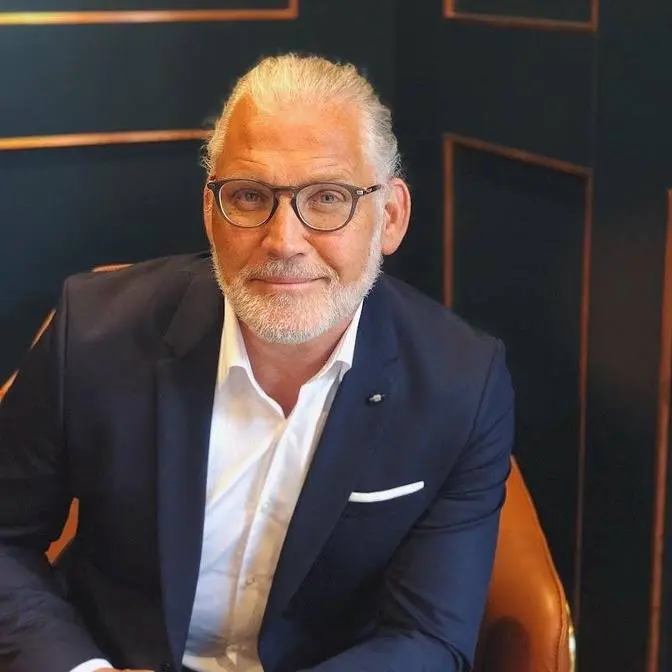
2 Video Views·Oct 25, 2024
oh good to see you again
good to see you Tom thanks for pointing
Tom aside
looking forward to just talk about a
little bit of communication yeah and I
got some questions here that'd be great
just to get into yes the first one being
since you stopped
I suppose pastoring in a official sense
in that in terms of the church context
what are some of the challenges are
maybe differences that you've faced in
in your communication style since then
so your question I think when you're
speaking to the same people week in week
out in a church context clearly that
governs a lot of the content and to
agree the style of the delivery and also
how you measure results I think are all
defined by that sort of church world I
think six years ago since I've stopped
pastoring and now speak in broader
settings I think so the fundamental
differences are the freedom from feeling
I have to speak about Gordon Church
subjects right one of the great gains
from that is I don't any longer fail not
but I not Rama where I ever did strongly
but clearly I did by default think about
growing believers on growing Christians
and now I think much more are growing
people and human beings so my content is
more generic I suppose than it would be
in the church world I don't have to
start from a Bible base to speak
anywhere which again has been liberating
and I did discover that shift whilst I
was still pastoring I wish I discovered
it sooner
because one of the things I talk about
in my master class communication
masterclass is the freedom from having
to start with a Bible verse when you are
mainly speaking as a pastor
jaded for three decades and the
liberation from that to finding
inspiration in everything in life as a
start want to say something from and
often that means that the star points
and what's more generic in their
connection with the unchurched which
matters in Europe in the UK where 90% of
our population as you know I'm churched
and so starting from one generic
perspective and basing the idea in
something that is just an everyday part
of all of our lives I can add scripture
to it later so I've enjoyed that shift
and that freedom to start speaking from
a more general place as a star point
rather than from a verse of scripture or
from a Bible story on a Bible character
I can add those in later for the church
audience or not if it's not required for
the audience I'm speaking to so there
have been some of the I think
fundamental shifts that I've enjoyed and
noticed since stepping away from just
speaking to the church every week yeah
howeve interested would you advise be
capacitive now maybe they're in the
middle of that church context to take a
similar approach yeah I think I think
it's good communication to to approach a
subject from a more generic perspective
rather than always feeling and there's
an emerging generation of communicators
which your age group and many listening
represent so it's a good chance for you
to break free from the containment which
is really became for me and I think it
has for my generation of speakers in the
church where we were classically trained
to only get something to inspire us from
Scripture or from Jesus's life or from a
Bible character yeah there's nothing
wrong with that as being part of what we
do but I think when it becomes exclusive
to our style because we're a semi and
very predictable so I would say to
emerging communicators in the church to
step away as soon as you can from
feeling obligated by some obligation you
don't really have that we
on you guys the religion piranhas after
that old school maybe thinking put on us
that we have to start from a Bible basis
to say a thing well and I would say as
soon as you can to step away from that
and just just live with your head on the
swivel live with this radar attuned to
humanity - like two people to society -
things that you are experiencing in
everyday life that you bypass and leave
aside as a point of inspiration and then
go and throw that out ignore all of
that's happening in your life right now
and then go and try and get a word as we
call in the judge a word from God which
makes it even more intense to hijack
what we do with that language of getting
a word from God like where Moses or
something getting a word for the people
I think it falsely artificially hiked it
and ramps it up to a place that doesn't
make communication natural and
comfortable and easy and organic which
is what it should be so I think my
appeal to emerging communicators in the
church world anyway yet is to make that
shift earlier than I did you know sort
of two and a half decades in probably I
thought I made the shift I'm talking
about now yeah so let's say you know
someone masters that and they get a good
grip on that one of the things you've
said in communication master classes
that connection is the holy grail of
communication yeah I guess if that's a
first step
potentially and this is a next step how
do you explain this one to achieve or
help someone achieve that connection I
think connection gets better if we start
from if we start with what we're saying
with our topic subject messages if we
start from a perspective of something
more generic to life like parenting or
friendship or handling money or aging
well and health of something in the
political world of something in social
media or a book that we've read I think
all of those become inputs for how to
frame a thing how to say anything well
this is got to make connection much more
possible with the mixed audience and
again this matters to me a lot more now
maybe than it did in the church world
though again do a church in the United
Kingdom where people do not go to church
was always something on my mind that I
had to have something generic enough
that connected with unchurched people
that our church people with ringing I
think you can only enhance connection to
start with a more generic place of
speaking on the subject from something
that's not as in housing and not as
narrow as a church mentality or just
speaking to churchgoers and I think
stepping away from that to picking
things up that is more common to
everyone the experience in life has got
to be better for connection from the
moment we open our mouths if we're now
connecting through something that
everybody experiences in everyday life
it's going to enhance this connection
because I do believe connection is the
Holy Grail
the connection is intentional connection
is not maximum at all default it has to
be intentional and from the moment you
open your mouth of the moment you walk
to the place from which you're speaking
if your style of communication is public
speaking some people are communicating
and their voice is not your public
speaking it's through social media or
through art or through some other
expression but my point is however you
are expressing your voice it's got to be
better it's got to be better for
connection purposes if you are starting
from something that is more common to
all of us in the way that you're framing
your subject
great really useful stuff especially
looking back I suppose a bit of your
journey through the church content right
into what you're doing now one of the
things that have interested I thought
it'd be good to look at is and you've
talked a lot about growing people and
not things at what point in your journey
did you come to that that understanding
of growing people and not filling them I
think in the reinvention of our
organization our local church what every
organization is all of the legal
invention at some point ours went
through a drastic one in the late 90s
and half of my organization in our case
church congregation left and we grew
them back with people that were from the
poorest parts of our city who came with
no growth ethic I suppose many of them
couldn't read or write many of them were
third-generation unemployed people and
so on and so on so the nature of the
people I was speaking to changed
I didn't think I could just do business
as usual with this new constituency that
we were reaching as I think the arrival
of these people hundreds of them every
week cause me to reinvent my
communication style in terms of content
and how I said a thing how I spoke for
how I measured results and so on and I
realized then that the people that could
help us grow things had gone and the
people that would replace them with had
not come to help us grow anything in
fact they will come in because we were
helping them in many of their poverty
related issues and problems they were
having we were helping them and they
were coming for that reason and I think
their gifts to me looking back was that
they they made me have to rethink my
communication style it was then I think
I made a shift from using people to draw
things or growing things on measurement
results buy things to investing in more
intentionally in growing these people
it's then I made the shift as well I
think in the late 90s from talking
about things from the Bible spectators
approaching things from as we talked
about earlier from just more humanity
perspective and I think it gave me this
greater sense of empathy and connection
with these people and it changed my
communication style I think for the
better I think I became better as a
communicator through the gift of those
people that came that were ground zero
level people as it were to realize I've
got to grow these people and I settled
down them for the next decade also to
see whether or not I could turn these
Ground Zero people through growing them
into what I call big people that they
became big people internally out of
which big things became possible to do
so I still don't know what people would
ask me in the country how how is your
church grown as if I had some things to
teach them about how to get a big church
and I don't know how to grow big church
still to this day because I didn't try
to grow a thing called a big church I
set out to grow people and figure out if
we can grow people then the things that
they're capable of should get bigger
pro-rata it was that that maybe shift
from blowing things to growing people I
had no option but to grow people right
right and obviously that was I suppose
at that moment in time was an emphasis
based on the circumstance you're in and
and what why suppose the church was
asking for me your emphasis in the
moment is is a little bit more on maybe
it's not different but on certain
leadership
how's this emphases kind of affected
your communication style today I think
I've stumbled into servant leadership
without having that language in the area
and speaking about that I decided that I
had to spend more time in this more time
in the shoes of the people that we were
speaking to than in my or our shoes as
the speakers to those people right I
didn't call it back then so the
leadership I realize it was that very
much that the people were leading rather
than me the people will leave
in my mind and in my heart they were
leading both what we spoke about and how
we spoke about it and so I became a
servant I suppose of the needs and the
lifestyles and the problems and the dead
ends that these people's lives really
were shouting out to us that they were
struggling with you know many years
later where we are now
I call that what it was becoming now I
figured out much more than what that
major shift was wasn't just a
communication shift it was a shift in
where I lead and speak from - from being
leadership that was much more governed
by my agenda and what I wanted to gather
the people and what I would have did
what I wanted to have them help me do so
I saw them as a resource to help me lead
to my vision they were servants to my
vision and servants to my agenda and
servants to my ideas they were voluntary
in terms of their commitment of ours
they were serving that way their
financial servants in terms of
resourcing my dream and vision
I think the shift took place back then
because these people had no money so
that's that part of them serving had
gone
they weren't volunteering they weren't
showing up beyond we began laying on
buses so that part of their serving had
gone I think all I got stripped away and
it got turned on its head out of which I
think evolved this realization that we
are here to serve these people and I
don't know what the outcome of that will
be whether we'll ever get the church
back that we had or will we get
something back better which I think we
did so servant leadership is current
emphasis I had is now articulating what
I think happened 15 or so years ago now
I have a language for it and I've been
leading that way
for 15 years I realized looking back and
I just think it's become time for me to
give a language to that sure so looking
at I guess looking at leadership across
the spectrum and a lot of the things
that we're facing in our world today
with fake news and and leadership and
politics that were seeing that obviously
there's a bit of an uprising against
there's obviously a desperate need for
leaders to serve people and for
authenticity in leadership how big of an
suppose impact using authenticity has in
leadership in terms of serving people in
that same way our voice for authenticity
is to do with being yourself speaking to
the people from your own current reality
and speaking your own truth about that
reality and a lot of people are many
layers between them and that self that
we all have the essential self I call it
and I think authenticity to me is
stripping away the layers between you
and the people and getting down to the
real version of you rather than sending
out representatives between me and you
we all have representatives the
super-competent version of us that's not
really who we are we all thought proves
planned scripted version of us which is
not really who we are the idealist which
is often not really who we are the black
and white us which is not really true to
life anyway but we stay away from gray
because gray is too complex to mess with
I think all of those shades of who we
are are are really on the enemy of
authenticity and I think anything that
stops you being you is like kryptonite
to your Superman
and I think it's that but I'm appealing
for them that but I've discovered in
this last 15 years or so is that that
this connection that we've talked about
which is the holy grail of communication
is impossible without authenticity right
authenticity is being as real as you can
with the people without your reality
being a stumbling block or unhelpful
reality requires timing and I don't want
to let it we're not talking about Jerry
Springer or Jeremy Kyle and we don't
mean that version of you we mean we mean
the management of that enough to be
helpful in what I talk about I want to
talk about it to figure a few things out
first but still to be doing that by
being as real as I can with my audience
I think that version of authenticity is
what I'm appealing for and speaking from
the heart I speak about the master class
while speaking from the heart
you can't do that unless you're
authentic you just can't do that you can
speak from from your head you can speak
from policy can speak from script you
can speak from tradition and safety of
this is what we say at this time a
question like that but you'll never have
a connection with people when you're
doing that because that is not
authenticity I'm speaking from the heart
a dangerous and difficult I know that
who does that politicians don't tell
every type it and one of the reasons
Donald Trump has done so well in America
is because at least for all his faults
at least you don't have to wonder what
Donald Trump really things about
something so he speaks his mind and
people appreciate that yeah I guess this
when you're in a leadership position is
there's a stigma or an expectation for a
leader to say a certain thing to say a
certain weight now and really I suppose
there's a requirement still for leaders
to be authentic they're a starting point
for that as a leader in the Senate let
me find my authenticity and start
communicating that to people I think
it's a commitment I've made in the
nine kids to really be myself I think
part of that reinvention of our
organization was the reinvention and
rediscovery of me to pilot rediscovery
was coming back to the essence of Who I
am as a person and is that the person I
am projecting to the people and I
realized it wasn't a tradition and
religion and control I think it put
layers on me that will my layers between
the real me and connection with the
people and I had to get those layers off
me to get back to the real version of me
so it starts maybe with the crisis it
starts with the realization that this is
not working but I am a karaoke version
of someone else but I am a
representative of other versions of me
but not the real me I am buried under
these layers of pretense and facades
that I find safety in maybe it requires
a crisis to figure out maybe that is
what everybody needs the own version of
that they feel fed up with I can't do
that anymore I'm going to be me warts
and all if necessary and it's not an
exact science and it's not without
messing is not without Eric schmuck
without extremists not without wishing
I've said that better and done that
better is not without wearing your heart
on your screen in times yours yet but
I'd rather that than this than this
drive to keep myself looking altogether
and saying the right thing at the right
time in the right way so yeah I think it
needs people to go through something
that Jasmine out of that yeah and gives
them a desire to be authentic in a way
maybe they haven't had before yeah I
guess there's obviously longevity and
shelf-life when you beam yourself you
because you're not figuring out who
you're going to be today I mean
the exhaustive list and there's enough
plates to spin any moment of
communication that enough complexities
in saying a thing well without one of
them being Who am I going to beat
so I suppose across our generation
there's a probably been a rise over the
last 15 years of different communication
platforms particularly social media
videoing people
what advice would you give young people
over that's 14 to 25 or the millennial
generation in terms of how to really use
that platform those platforms well for
communication I think using it well
would be my appeal to anyone that has
any kind of voice or platform through
social media and because a lot of kids
are not using it for that reason it's
just the connect with their mates and so
on but I think it is a great opportunity
it is a great platform and as we both
know there are many people who have a
large voice from their social media
platform cool I'm gonna be not using it
well and so I think my appeal to people
that have a social media presence and
profile and voice is to use it to add
value to us to use it to say something
well to be responsible with the use of
it I know that is subject to everyone's
definition of what those words I'm using
mean so I'm here to tell people that's
right or that's wrong because my why is
different to yours and different to
theirs but I think a lot of people
stumble into social media influence and
have not figured out what they wanted to
do by if anything you know things can
trend overnight they give someone a
platform that they didn't seek and have
no voice thought through about that can
be an affliction model it can be a
blessing I would think for people that
are in that situation but I think I
think for the millennial generation that
our social media friendly are
intentional therefore about their use of
social media I think using well I
you can be playful you know always like
that side of your personality because
that could be a good platform to if
that's a big part of what you want to
put over but I think I think if you want
to have a voice if you want to have a
say into something then I think it's
it's beholden on us the users social we
need to do that to try and be
intentional thoughtful about about how
we do that about how we say that and are
we saying that well and I don't think
that's governed all by likes or by
comments or by how many follows we have
at all there could be no rhyme or reason
to what gets and I figured this out with
my postings what gets a seemingly larger
number of likes than not I'm not really
sure that any of us figured out all that
it matters I think what matters
therefore the same with public speaking
for me that I I can understand
innovation to the same message I do
somewhere else where they all aboard but
I'm the same person with the same
message in both settings and I think
social media I decided must be subject
to the same judgment that I give to
clouds the weather is a standing ovation
are looking bored either are no real
defining of the quality of either what I
have to say or how I said it and I think
therefore using social media well means
I'm not playing to the audience for the
sake of getting more followers or more
likes or I'm projecting an image that is
not the reality of who I am or who you
are or who the world is in their
day-to-day lives I think all of that is
not using social media responsibly so I
think say anything well is sticking to
your guns anything well not dancing to
the tune of social media trends and
likes and followers but just being
faithful to here's what I want to put
out and say with its controversial if it
costs you followers if it costs you
being trolled then as long as it is your
authentic voice that you have
want to say something then great that's
I think the best use of social media I
think it takes courage sometimes too
sticky neck out brief that's part of it
that's part of your voice then you're
using it well yeah and then I suppose
whether it's social media or if it's to
crowds or whatever saying is that you're
communicating how important is how you
say something I suppose stacked up
against what you say I think how you say
a thing is matters and you know we could
talk here about a range of things that
all communicators need to master to do
with structure and timing all of which
enhance or don't enhance connection and
there is no perfect science about
structure but you need to have one and
structure primarily needs to be in your
head rather than in your notes or in
your media presentation and so for me
structure can be varied in how you
structure something well that means that
how we are saying it has been thought
through as much as what we are saying as
being thought through so classically we
want to have a good beginning a good
middle and a clear ending and all those
three things hopefully will dovetail
together and create one continuous
narrative that's not always true
therefore the basic of structure is
often missing in many presentations
whether it be written or whether it be
spoken or whether it be sung or whether
it be in a performance piece I hate it
when you're trying to figure out what
the heck was that about and I think
great communicators of harness their
tendency to be unstructured and their
tendency to be over spontaneous or
random you have to pull that in because
I'm I understand my randomness because I
know me and if you're my friend you
allow for that because you might need
and it don't really matter but if I want
to say something well am i randomness or
my ad hoc or my spontaneous diversion
are not managed well I lose the crowd
and I become unaware because it's just
who I am we talk about authenticity
Niall you are who you are doesn't mean
the bits of you you should work on and
get better at if those parts of your
personality are a hindrance is anything
well you have to you have to work on
those we all have those things to work
on whether you speak too fast or you
speak too slow or you have a very strong
regional accent that no one outside of
your town or even your postcode can
understand then you have to work on
those things if you want to be
understood widely so I think all of
those things matter in how we say a
thing the science of how is separate to
the science of why we say a thing and
each of those how and why and when and
what all of those things should be
difficult
together so I think it really matters to
have that structure clear in your head
and then everything you do with notes or
media or props or interaction with
people all of that should be serving an
enhancement like icing on the cake what
you came to say in the first place sure
so if all those things really serve and
lead towards I suppose really place
service to the ultimate wing in
communication would you have one thing
that you would say viscerally is a win
that communicate and this happens I can
go home and go great up one that works
there's a there's a win for me and
doesn't win for you as a listener my
wing for me a subjective it would be did
I say that well in the time that I was
given did I say it well now am i
measuring of that is different to the
next person's my measuring of did I say
it well in a church context for instance
wouldn't be how much they're shouting
and clapping because that often can be
behavior and not being anything going in
so that is not how I'm measuring did I
say it well in a church context
I'm not settled for that as a thumbs up
that they get it for me because my vibe
my measuring of say nothing well is much
more to do with learning than
inspiration I'm not bothered about a big
inspirational response in the room of
clapping and cheering and shouting I'm
much more interested in listening
learning leaning in and that kind of
vibe in a game lets me know I think we
really did okay today because there was
listening there was a leaning in there
was a note-taking
was an interest so the listeners were
not neutral they were not incidental
there was a sense of engagement in
connection all of that to me equates to
a win a win for you or me as a listener
for me as a listener a win is I really
learned something today a light came on
me and idea dawned on me a massive win
for me as a listener is when is when
what you're saying to me enhances the
quality of my own internal dialogue blam
having with me about what you saying to
me if what you're saying to me makes me
internally thoughtful enough to really
learn from what you said to me that's
where I walk away and your gift to me is
not what you said your gift to me if the
train of thought that you put me on
because of what you said which you don't
know about and often that's not the
feedback we get which is what we both
want as communicators where do you saw
what you said to me made me realize this
made me rethink completely my approach
to that that's the feedback we love it's
not that we rarely get
normal yet that was great just kind of
fine but it's not as satisfying as the
thought through response back so all of
those things are wings to me super
helpful I guess really everything we've
we've covered in palatalized of this
deeply ingrained in your communication
master class yes that you do now around
the globe that is helping tons and tons
of people not just become greater
communicators but become bigger and
better people as well yeah and I never
have that help which is part of why I
started that six years ago I never had
the help I supposed to go into a church
background and so part of me doing the
master class after I saw the film The
King's Speech by the way and I was so
inspired by how the King got helped by
this sort of unusual out-of-the-box
approach to helping him I saw in that
picture a metaphor for what I thought a
big part of what I should do next after
I stopped at spring but I wanted to
become I suppose a mentor and a coach to
other communicators which I never really
had I have the first leg for sit down
and figure out what I do why I do what I
do because when you find something
easier to do it's difficult to explain
why you do it and how you do it because
to you is like second nature so to be
able to analyze why I find it easy why I
find the effortless became my own work
for those following years and I'm still
working on every masterclass has a
freshness to it for me because between
each masterclass whether it's noticed or
not it's just loads of things I'm
changing and tweaking but it cumulative
to make each master does better than
will ask them so I'm very excited about
all these massacres coming up around the
world yeah great well we're thankful for
you doing the been huge helps as long as
you're the guys coming through yeah now
so we appreciate you keep point them all
and keep refreshing them and keep going
at them from different angles you have
too much
[Music]