
The Life of A Pharaoh
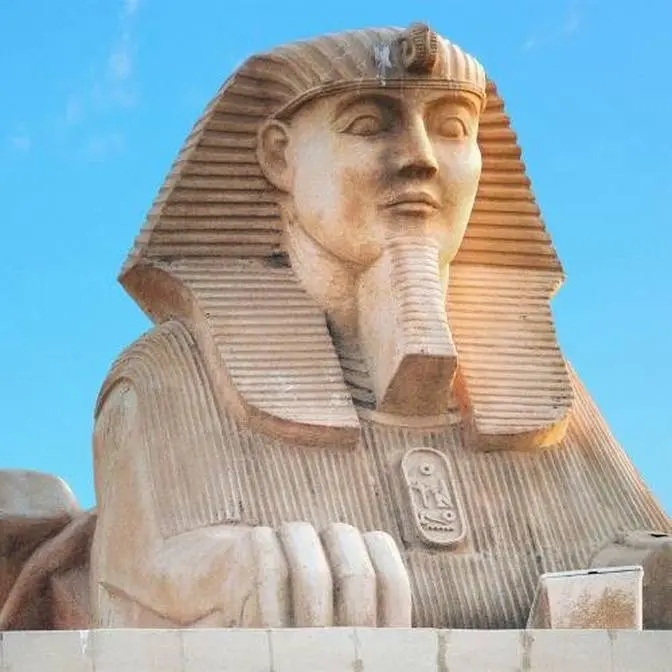
Oct 19, 2024 #AncientHumans
Could the secrets of the Egyptian pharaohs hold the key to unlocking mysteries spanning over 10,000
years? Join us on a journey into the enigmatic world of ancient Egypt. Welcome, history enthusiasts,
to the captivating world of the Egyptian pharaohs. These legendary rulers have left an indelible mark
on history with their grand monuments, profound wisdom, and enigmatic traditions. From the
towering pyramids to the intricately designed tombs, the legacy of the pharaohs continues to
fascinate and inspire us. But what secrets did these ancient rulers hold, and how have they
shaped our understanding of history and culture? To truly appreciate the legacy of the Egyptian
pharaohs, we must first understand the ancient Egyptian civilization. Flourishing along the fertile
banks of the Nile River, this civilization was one of the most advanced of its time. The Nile's
annual floods brought rich silt to the land, creating fertile soil that supported abundant
agriculture, which in turn sustained a growing population and a complex society. The pharaohs,
viewed as living gods, wielded immense power and influence. They were considered the intermediaries
between the gods and the people, and their primary role was to maintain Ma'ad, the ancient Egyptian
concept of truth, balance, and cosmic order. This divine kingship placed enormous responsibilities
on the pharaohs, who had to ensure the prosperity and stability of their kingdom through religious
rituals, military campaigns, and monumental building projects. Ancient Egyptian society
was highly stratified, with the pharaoh at the top, followed by a hierarchy of nobles, priests,
scribes, artisans, and farmers. The construction of monumental structures such as pyramids, temples,
and tombs required sophisticated engineering skills and the coordinated labor of thousands
of workers. These architectural feats not only demonstrated the pharaoh's power,
but also served as a means to honor the gods and ensure their rulers' immortality in the afterlife.
Let's delve deeper into the intriguing narrative of the Egyptian pharaohs, starting with some of
the most iconic figures. One of the most famous pharaohs is Tutankhamun, often referred to as
King Tut. His nearly intact tomb, discovered in 1922 by Howard Carter, provided unprecedented
insights into ancient Egyptian life and death. Despite his short reign, King Tut's legacy endures
largely due to the treasures found in his tomb, including his iconic gold mask, exquisite jewelry,
and the detailed depiction of his journey to the afterlife. Ramses II, also known as Ramses the
Great, is another legendary figure. He reigned for 66 years, making him one of the longest ruling
pharaohs in history. Ramses II was known for his extensive building programs, which included the
construction of the Abu Simbel temples and the Ramessium, a massive mortuary temple complex.
His reign was marked by military exploits, including the famous Battle of Kadesh against
the Hittites, which ended in one of the earliest known peace treaties. Ramses II's legacy is one of
power, prosperity, and monumental achievements. Cleopatra VII, the last active ruler of the
Ptolemaic Kingdom of Egypt, is perhaps the most well-known pharaoh in popular culture. Cleopatra
was known for her intelligence, political acumen, and romantic liaisons with Roman leaders Julius
Caesar and Mark Antony. Her efforts to preserve Egypt's independence ultimately failed, leading
to the Roman annexation of Egypt and the end of the Pharaonic era. Cleopatra's life and reign have
been the subject of countless books, movies, and works of art, cementing her status as a cultural icon.
Hatshepsut, one of the few female pharaohs, also left a remarkable legacy. She reigned as a regent
for her stepson Thutmose III, but eventually declared herself pharaoh. Hatshepsut is known for
her ambitious building projects, including her mortuary temple at Deir el-Bahri, which is considered
one of the architectural marvels of ancient Egypt. Her reign was characterized by peace, prosperity,
and extensive trade expeditions, including a famous voyage to the land of Punt. Akhenaten,
another notable pharaoh, is known for his religious revolution. He introduced the worship of Aten,
the sun disc, and established a monotheistic religion, departing from the traditional
polytheistic beliefs. Akhenaten moved the capital to a new city, Akhetaten, known today as Amarna.
His reign was marked by artistic and cultural changes, but after his death, his successors
restored the old religious practices, and Akhenaten's memory was largely erased from history.
The reign of the pharaohs was not without challenges. They faced numerous power struggles,
both within their own royal families and from external invaders. The Hittites, the Assyrians,
and later the Persians, all sought to conquer and control Egypt. Each invasion brought new
challenges, forcing the pharaohs to defend their territories and maintain their authority.
The famous Battle of Kadesh, fought between Ramses II and the Hittites, is one such example
of the military conflicts that shaped the history of ancient Egypt. Internally, ambitious nobles
and officials often plotted against the pharaohs, leading to periods of instability and conflict.
The murder of Pharaoh Teti, the first ruler of the 6th dynasty, and the subsequent power
struggles during the First Intermediate Period, are examples of the internal challenges that the
pharaohs faced. These periods of unrest often led to the division of the kingdom, and a decline in
central authority, requiring subsequent rulers to restore order and reunify the nation. Religious
reforms also posed significant challenges. Akhenaten's introduction of monotheism disrupted
the traditional religious structure and the powerful priesthood of Amun. His successors,
including Tutankhamun, faced the task of restoring the old religious practices and stabilizing the
kingdom. These religious conflicts highlight the complex relationship between the pharaohs
and the powerful religious institutions of ancient Egypt. Despite these challenges,
the legacy of the pharaohs endures, thanks in part to ongoing archaeological discoveries and research.
The discovery of the Rosetta Stone in 1799 was pivotal in deciphering Egyptian hieroglyphs,
allowing us to unlock the secrets of ancient texts. This breakthrough enabled scholars to
translate inscriptions and documents, providing a deeper understanding of ancient Egyptian history,
culture, and society. Modern technology continues to reveal new information about the lives,
health, and lineage of the pharaohs. Advanced imaging techniques, such as CT scans and DNA
analysis, have provided insights into the health conditions and familial relationships of mummies.
For example, DNA studies have confirmed the lineage of Tutankhamun and identified genetic
disorders that may have contributed to his early death. Excavations in the Valley of the Kings,
Saqqara, and other archaeological sites continue to uncover new tombs,
artifacts, and inscriptions. These discoveries not only resolve long-standing mysteries,
but also deepen our appreciation for the complexity and sophistication of ancient
Egyptian civilization. The recent discovery of a new pyramid near Saqqara and the identification
of previously unknown pharaohs highlight the ongoing nature of this exploration. Researchers
and historians continue to study the vast array of artifacts, texts, and monuments left by the pharaohs.
These efforts not only enhance our understanding of ancient Egypt, but also contribute to the
preservation of this rich cultural heritage. Collaborative international efforts and advancements
in technology ensure that the study of ancient Egypt remains a dynamic and evolving field.
The story of the Egyptian pharaohs is one of grandeur, mystery, and enduring influence.
Their monumental achievements and rich cultural legacy continue to captivate our imaginations.
From the majestic pyramids to the intricate tombs, from powerful rulers like Ramses II
to the enigmatic Tutankhamun, the legacy of the pharaohs offers a glimpse into a world that
continues to inspire awe and wonder. As we uncover more about their world, we gain a deeper understanding
of human history and the timeless quest for knowledge and power. If you've enjoyed this
journey through the world of the Egyptian pharaohs, be sure to explore the recommended
resources linked below for a deeper dive into their history. Share your thoughts in the comments
and don't forget to subscribe for more captivating historical revelations.
Together, let's continue to uncover the secrets of the past.