
Life in Ancient Egypt: Religion, Politics, Science & Mummies
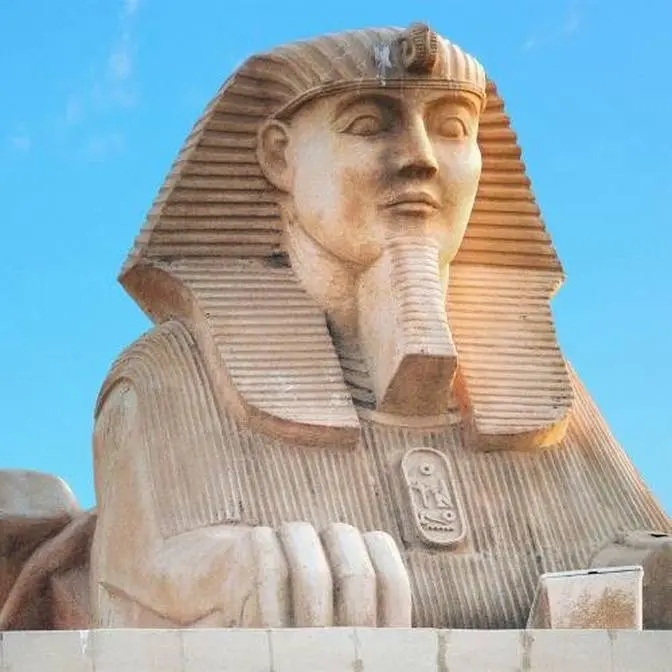
Ancient Egypt is an civilization shrouded in mystery, myth, and the first thing that
comes to mind is pyramid mummies or sphinxes. But there is also the life of ordinary Egyptians,
ancient Egyptian politics, religious beliefs and ancient Egyptian science and infrastructure.
The life of an average ancient Egyptian was deeply connected to the Nile River,
the lifeblood of their civilization. Most Egyptians were farmers, cultivating crops
like wheat, barley, and flax in the fertile soil left behind by the river's annual floods.
Others were craftsmen, traders, or soldiers, contributing to the growing prosperity of Egypt.
Family and community were central, and homes were typically built of mudbrick to protect
against the heat. But no matter their occupation, the Egyptians shared a common respect for order,
which they called, Ma'at, and it shaped their society from top to bottom.
Religion was at the heart of ancient Egyptian life. They were polytheistic,
worshipping hundreds of gods and goddesses who they believed controlled all aspects of the
natural world. Some of the most important deities included Ra, the sun god, Osiris,
the god of the afterlife, and Isis, the goddess of magic and motherhood.
The Egyptians believed in an eternal life after death, and much of their religious practices,
from mummification to elaborate funerary rituals, were dedicated to ensuring a safe
journey to the afterlife. Egyptian politics was dominated by the pharaoh, a ruler who was seen as
both a king and a living god. The pharaoh's role was to maintain order and Ma'at, governing both
the political and religious aspects of society. They controlled the army, collected taxes,
and oversaw large construction projects. The government was organized into various levels,
with high officials, priests, and scribes assisting the pharaoh. The people believed
that as long as the pharaoh upheld Ma'at, Egypt would prosper.
One of the most iconic aspects of ancient Egypt is mummification. But why did pharaohs make mummies?
Egyptians believed that preserving the body was essential for the soul to live on in the afterlife.
The pharaohs, who were considered gods on earth, needed their bodies intact for eternity.
The mummification process involved removing internal organs, drying the body with natron
salt, and wrapping it in linen. This process, they believed, would allow the pharaoh's soul
to reunite with its body and live forever in the field of reeds, their version of paradise.
The Egyptians were also pioneers in science and infrastructure. They built massive pyramids and
temples using simple tools and an understanding of mathematics and engineering that still amazes us
today. They developed one of the earliest forms of writing, hieroglyphics, and made advancements in
medicine, astronomy, and architecture. The Great Pyramid of Giza, one of the Seven Wonders of the
Ancient World, is a testament to their scientific knowledge and engineering prowess, standing tall
for over 4,500 years. Ancient Egypt was a land of great innovation, belief, and power. From their
religious traditions to their scientific breakthroughs, they've left an indelible mark on
history.