
Things you need to know about BUZZARDS!
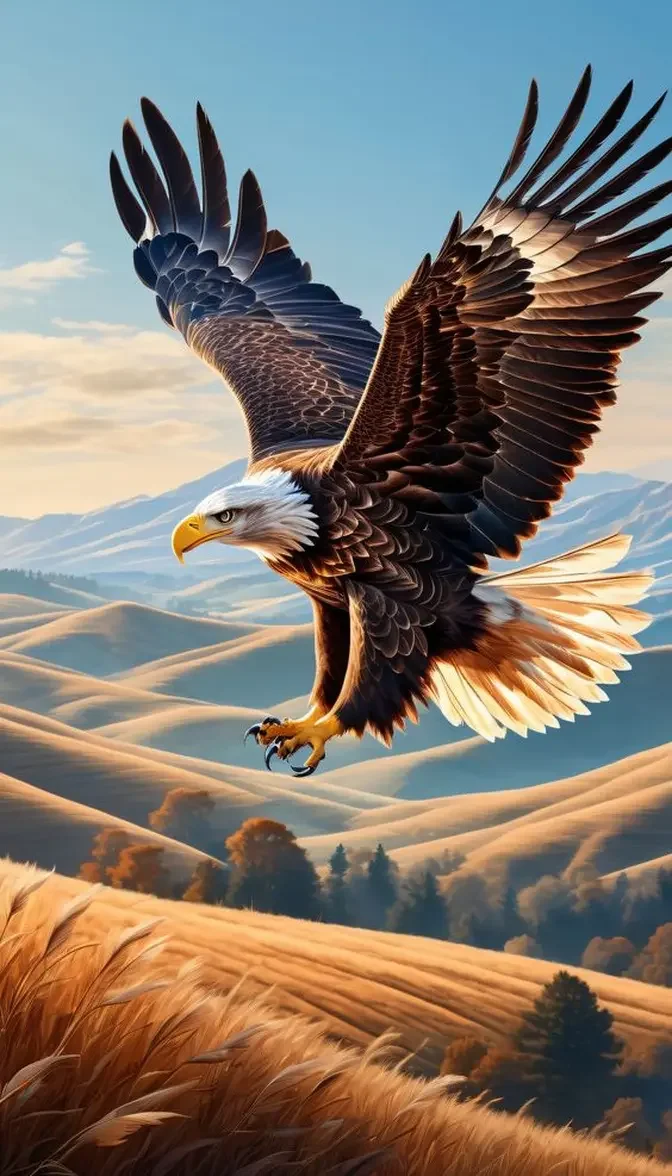
Hi everyone, it's Liam here from A Shot of Wildlife and in this video I'm going to tell you everything you need to know about buzzards.
The common buzzard is a medium to large bird of prey that lives from the west coast of Ireland all across Europe and Central Asia as far east as Japan and is even sometimes seen in eastern Africa.
Females are slightly larger than males and grow to have a wingspan of around 4.5ft and can weigh up to 1.4kg.
Buzzards can be a wide variety of colours ranging from almost pure white to dark brown and black.
They have a hook shaped beak with a bright yellow base and featherless yellow legs and feet.
From below, a buzzard's silhouette shows a noticeable dark band around the edge of its wings and five primary feathers that extend from each of their ends.
They can be found in most countryside habitats but do extremely well in traditional farming areas.
Here they have open fields for hunting but also hedgerows and trees for roosting and nesting.
Buzzards are capable hunters and often catch small rabbits, rodents and slower species of birds such as crows and wood pigeons.
But they are also opportunistic scavengers and a large portion of their diet can be made up of carrion.
Surprisingly, they seem to have a taste for worms and can often be seen bounding across wet fields and meadows in search of them.
Buzzards start breeding from 3 years of age when each pair will claim a territory and construct multiple nests from large twigs either high up in trees or on rocky crags.
They usually build 3-4 but can have as many as 14 nest sites to choose from.
Once they have decided on which nest to use, the pair have a curious habit of decorating the chosen nest with fresh green leaves and branches, although the purpose of this isn't really known.
Each female will lay between 2 and 5 eggs at 2-3 day intervals.
These are 5-6cm long and white with splattered red markings.
The female does most of the incubation which takes from 33-35 days and as this starts from when the first egg is laid, the first chick to hatch will sometimes be noticeably larger than its siblings.
When the chicks first hatch out, they are covered in a layer of fluffy white down.
Both parents feed them and if food is in short supply, the larger and older chicks will bully and out-compete their siblings.
It takes 55 days for the chicks to fledge, after which point they stay with their parents for a further 6-8 weeks, learning to find food and to fend for themselves.
Each pair will only breed once per season and will often pick a different nest site every year.
Over the past 30 years, buzzards have done extremely well across most of Europe and there are now more than 300,000 breeding pairs in the UK alone.
Although these are pretty hardy birds, they are susceptible to being accidentally killed as a result of eating animals that have died after being poisoned or from eating poisoned bait.
In the wild, they have an average lifespan of between 12 and 20 years, but one individual was found dead 30 years and 5 months after being ringed as a chick.
Well how great were those drone shots of the buzzard? If you want to see the original video, there will be a link down below, thanks to Stephen Smith for allowing me to use that footage.
Now if you did enjoy this video and you learnt something new about buzzards, then check out this one with everything you need to know about magpies and subscribe to the channel for future content.
Thanks for watching and I'll see you next time.