
PAIRING WINE WITH FOOD - A Basic Guide to this popular topic
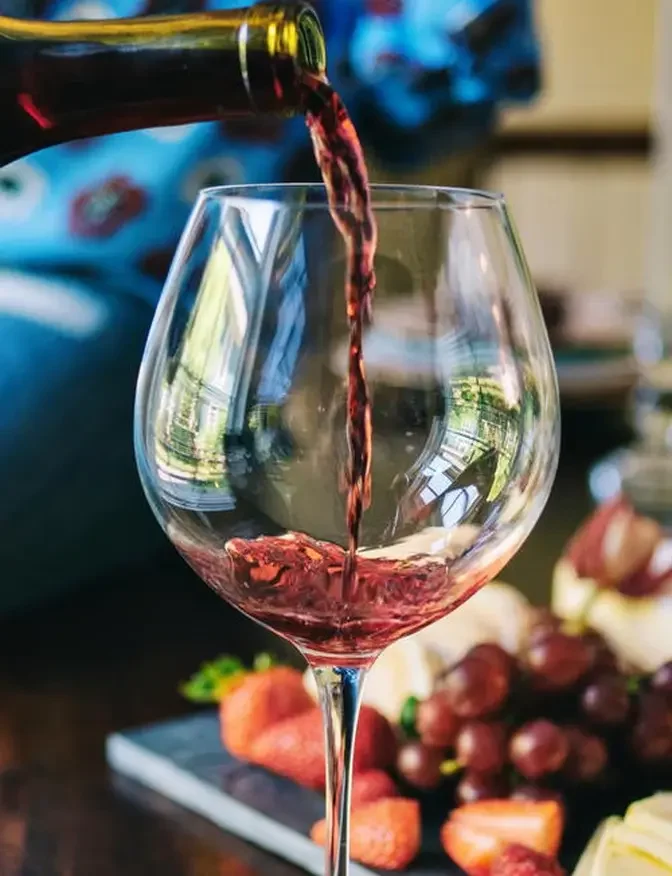
In this video I go over the basics of food and wine pairing to help you understand what certain types of flavours do to your wine
#wineculture, #wineservice
Pairing wine with food can be for many people quite a challenge.
Lots written about the subject but there are some basic principles with which you can apply.
So today I thought I'd take us through those basic principles when it comes to pairing food with wine.
Hello and welcome to The Grape Explorer where we celebrate the world of wine.
On this channel we do wine education, product reviews and lots of tastings.
So if you're interested in wine consider subscribing.
The reason pairing wine and food has become such a hot topic
is lots of people have lots of different opinions.
I of course have my own opinions on this
but there are some basic principles with which you can follow.
Certain qualities in food are going to do certain things to your wine
and that's what I wanted to focus on today.
My own thoughts about wine and food pairing is that yes,
there are some things that are going to enhance the experience of the wine
but you shouldn't kind of preclude yourself from buying or wanting a particular wine in a restaurant
just because you want to eat a particular type of meal.
You really should enjoy what you enjoy
and for me if I buy a wine that may not necessarily go with some of the food I'm going to eat,
I'm actually going to wait until I've eaten my food before I drink that wine.
If I want a particular glass of wine I'm going to order it, simple as that.
But like I say there are some basic principles we can go through.
So I'm going to start off by going through some of the characteristics in wine
that are going to change when you eat food that's particularly salty.
So salt in food is going to increase the perception of body in wine
and it's going to decrease the bitterness and acidity in wine.
Salt is actually really wine friendly and goes really well.
You know when it comes to matching things,
there are a couple of things that we can do.
We can either match things because they're in opposition
or we can match things because they complement each other.
So something like a steak and mushroom pie for example.
The steak and the mushrooms, they're quite complementary.
They go well together and then you get things that are in opposition.
You know something like salted caramel for example that's salted and sweet at the same time.
It's actually really popular.
People like those things in opposition and so salt in food can actually be quite beneficial
where it's making that wine less bitter and astringent.
It's bringing out some of those fruity characters.
So it's quite a food friendly thing to have salt in your dish.
Okay now we're going to take a look at acidity in food.
And acidity in food will increase the perception of body, fruitiness and sweetness in wine
and decrease the acidity in wine.
And what you want to do here if you've got a particularly high acid food,
you kind of want to be able to match it with a similarly acidic wine.
Okay let's take a look at what bitterness does to our wine.
So bitterness in food will increase the bitterness in wine.
Bitter foods are particularly difficult to pair.
You really need to be thinking about lower tannin wines,
perhaps just a white wine if you've got particularly bitter foods.
Next up we're going to look at heat in food.
And by that I mean chilly heat, not temperature heat.
So chilly heat in a wine will increase the bitterness, acidity and alcohol burn in the wine.
And it's going to decrease the body sweetness and fruitiness.
And when it comes to chilly heat in wine,
one of the great suggestions is actually to pair it with something that's got some perceived
sweetness or is actually a sweet wine.
People tend to go for things like Gewürztraminer and Riesling when it comes to heat in wine,
curries, chillies, that sort of thing.
Because they have that perceived sweetness
and because you can get off dry medium sweet styles as well.
Now we're going to look at umami, which is commonly known as savoury flavours in food.
I always think of things like mushrooms when it comes to this.
So umami in food is going to increase the bitterness, acidity and alcoholic burn in wine.
And it's going to decrease the body sweetness and fruitiness in wine.
Where you get a dish that's particularly high umami,
it's actually sometimes a good idea to add a bit of salt
because it's going to work a bit better with the wines,
give you a bit more of a broader selection.
But umami in food is actually notoriously quite difficult to pair really well.
Finally we're going to take a look at what sweetness in food can do to a wine.
So sweetness in food will increase the perception of bitterness,
acidity and the burning sensation of alcohol in wine.
And it's going to decrease the fruitiness and the sweetness in wine.
The general rule being if you've got something that's sweet,
you really need to match it with something that's
the same sweetness or increased sweetness in the wine that you're having.
And I think that's why food and wine pairing can be particularly difficult.
If I haven't finished a bottle of red wine say for example for my main course
and I go on to buy a cake for dessert,
I don't necessarily always want to switch up the wine.
And this is why I talk about, you know,
sometimes just because you want a particular glass of wine,
you don't have to necessarily mix it with your food.
Perhaps eat your food then drink your wine after.
Because it is a difficult subject to approach.
Some people think you should forget it altogether.
And don't worry about what you pair.
But like I say, the food types that I've covered in this video,
they do have an effect on the wines that you're going to drink.
But it's over to you.
What combinations have you enjoyed?
Or have you discovered that you would recommend to others?
Let me know in the comments section below.
I'm the Grape Explorer.
I look forward to seeing you again soon.
Cheers.