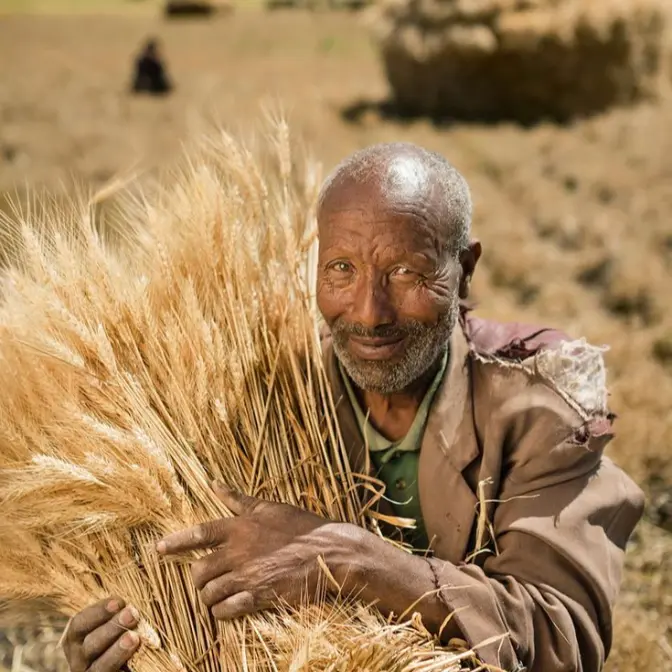
This Film on Lesotho introduces the viewer to the Mountain kingdom of Lesotho. I explored and travelled the southern part of Lesotho to capture with photos and do some fly fishing to test the waters of Lesotho. Lesotho must be the heartbeat of Southern Africa. This film is about my exploration of the southern side of Lesotho with cameras. It introduces the viewer to the uniqueness of Lesotho's people, history, culture and landscapes despite being landlocked by South Africa.
JOIN my channel to receive extra perks and benefits.
Please SUBSCRIBE to our channel "Joe's Camera" and remember to hit the notification bell to be notified of our latest exciting uploads.
Although completely landlocked by South Africa, Lesotho remains absolutely unique in landscape,
culture, history and heartbeat. The whole of Lesotho appears almost raised from the
to form one giant water basin filled with water, landscapes and beautiful people.
The Orange River forms the southern border between South Africa and Lesotho. We entered
what is known as the gates of paradise towards Malia Lia and were instantaneously met by the
serene way of life and the almost holy donkeys of Lesotho, a story on its own.
The minimalistic way of life and the joyful children that are very happy to entertain
themselves with what the western children would regard as scrap immediately catches the eye.
From my chalet in Malia Lia I marveled at the layers upon layers of mountains around us,
that ran next to the vehicles in these high altitudes like mountain deer with ever-present
smiles on their faces up and down the mountains non-stop. Maize is the staple food of the Lesothos
and it is cultivated the same way it has been for hundreds of years without pesticides and
fertiliser and an almost zero carbon footprint.
The whole family participates in the upkeeping of the ground.
The relationship between donkeys and the Lesotho is a unique one
and nowhere else can the character of the donkey be observed than in Lesotho.
Horses and donkeys are used to transport bags of corn to small mulls
in the mountains. The maize are grinded and returned to the bags whereupon the donkeys
find their way back home on their own with fine mille-mille to cook on the fire as staple food.
Angora goats are a good source of income with their mohair although Lesothos prefer to eat mutton.
However Sangomas traditionally use goats in their initiation of novices to the spiritual world.
Find Lesotho one of the most photogenic countries in southern Africa
and photo opportunities range from culture to mind-boggling landscapes around every corner.
On a previous trip years ago we visited Mohale and Katse dams
and captured the engineering marvel of the dams as well as the landscape surrounding them.
Photographing them at night was a pleasurable challenge and I had to organize a vehicle
to drive up and down the Mohale dam wall to paint the road with vehicle lights 11 o'clock at night.
A good mount is a must for a stock owner who often has to visit a cattle post
up in the mountains to ensure that all is well with shepherd and animal.
Most Lesotho families have about six herd of cattle and 20 sheep which are entrusted to
young herd boys to look after during the day and to return them to the crawls at night.
Herd boys or shepherds are mainly boys between the age of 8 and 18.
Shepherds are normally accompanied by dogs who help them with the herding
and protection against jackal and stray animals. These dogs seem to be very complacent at first
but don't dare to get too close to the herd boy or cattle.
Herd boys from the age of eight can spend up to three months away from home
in the mountains in search of grazing with only one bag of millemule in the snowy winter months.
Photographing them with their entrusted dogs and cattle remain a highlight of my travels through
Lesotho. I met up with the local chief and he introduced me to his way of living in the mountains.
The Basotho hold their leaders in high esteem
as the guardians of their culture and spiritual enlightenment.
yeah
thank you very much
okay
okay this is a the pony trekking station at the Maliavia lodge and what's happening is
all over Lesotho this is a quite a nice tourist development the locals are trained up each
individual brings his horse to a to a central station like this where they will graze and
keep them comfortable and what will happen is they'll take them up to the lodges and
as the tourists would require 10 15 20 or up to as few as three people required to go
trekking in the mountains you've got professional guides from all over and all the villages that
bring the horses here and that will guide the tourists down the mountains and there's no
sophisticated feeds and tar roads and stuff but if you look at the conditions of the
Basotho pony it's it's it's in very good condition and also the tourist developments
like Maliavia lodge over here is actually takes personal charge and and look at the grooms and
look at the tools that is necessary to actually maintain and keep the horses in good condition.
Horses are the Basotho's most valuable property and normal horse racing is the national sport
in Lesotho it seems but the triple or galloping racing competitions are more traditional
and the annual highlight in certain villages as can be seen over here.
Horses must then triple in a specific fashion that is more suitable and safe in this extreme
close to Malialia a man blocked the road and vehemently wanted a lift strangely regardless
of where we were heading. Thank you very much. Can I help you? Yeah yeah I'm asking for a help.
No I'm just going to the river here. To? The river. Then turn around go back.
Ah well I can go with you at least to there. To where? That one is taking me home.
This one? Yeah. No.
Does he know who I am? Who what's your name?
From Malialia. From Malialia? Yeah yeah.
Stand there then you hold on top there. But I like it if I can build my fight here.
No you must put it off. God will be first. But it's full here look here it's full you
can't come here look here huh how are we gonna make you are saying you are going to be back
up there to the river we're going to there then we turn around hey and I'm just going to be there
by the river hey and I can be within 30 here. When we dropped him at home we discovered he
was running away from his wife at that stage. From there we had a quick glance at the dinosaur
footprints that roamed these mountains. Obviously Lesotho had more luscious plants billions of years
ago. King Monsieur and his desire to have his people taught the principles of Christianity
saw the French mission society answering the call and started in Taba Bosio from where they spread
out all over creating small churches and good schools. Lesotho has the highest low point of any
country in the world. Everywhere you travel in the center and south of the country you are
South Africa's largest river that runs right around half of Lesotho and across South Africa
where it ends on the west coast at Oranyamunt on the Namibian border.
Bridges are far and few across the orange river and boats are the only mode of transport from one
side to the other. At probably the highest place you will find an 80 year old man on a horse
on this continent. I met and photographed this gracious old chief and his magnificent Basutoponi
where he sat almost statue-like meditating on the highest peaks
of these even older mountains glaring over the land he ruled.
Time for a quick sandwich and onwards upwards we went
non-stop and when we hit the gravel road it was time to deflate the tires for the long
winding and climbing road to Seslabetewe National Park on the South African southeast border.
we put the cameras down to concentrate and negotiate an extreme piece of offer.
We stayed over in a holiday house of one of the previous kings
and in this carpets of wildflowers surrounded by majestic mountains greeted us the next morning.
Seslabetewe National Park lies on the eastern border with the Drakensberg mountains in South
Africa that is visible from here. The catchment of these streams were right around us so the water
is as clear and healthy as during the dinosaur era. The average rainfall in Lesotho is between
plant species and at least 16 percent of plants occur nowhere else on this earth. This area falls
within the alpine zone and during our visit flowers were prolific especially the ericas
and the helichrysums. One can have a royal time capturing these flowers up here as we did.
It must rank as one of the more beautiful and tranquil spots in southern Africa
and the aesthetic beauty of the rock formations, the lush carpets of flowers, the unique and rare
plant species, alpine pools, mountain pigs, birds and lush green carpets of grass boggled the mind.
To test the waters we cast a fly in probably the highest trout waters on the continent
prepared in the house and the clouds were building up we cleaned the trout to enjoy
as mains for supper and I can say without hesitation all Lesotho trout we ate on this
trip tasted better than anywhere else on earth. On a previous trip to Lesotho three years before
I fished the waters of Lesotho and found almost all waters contain healthy populations
of rainbow trout. I also had the opportunity to catch above and below the Katsidam wall.
like this you can get spazza shops that cater for the locals and travelers such as us and we
were friendly received and a hearty meal was cooked with a smile before we hit the road again.
We're in Lesotho mountains just I think to the northeast of Malia Lia lodge
and we've run into David or people introduced us to David. David has taken the initiative to
build a local museum here or not a museum he's got the artifacts and the tools and so on that
and he shows the tourists how they operate. He's also got some indigenous plants
where of most of them all of them have got medicinal values and he'll take us through
that now and explain to us how they use or apply it within the Lesotho nation in the mountains.
Here we have got the oven. Lesotho used to build it to make this this kind of ovens and then they
used to bake bread from this. Then right here we have got this hill with sticks stuck on it
like in most of the villages in Lesotho you will find this kind of stick stuck on the hill
and then these are smeared with medicines which are believed to have powers to fight against the
hailstorm and lightning. Now we are going to look at at some indigenous plants growing in the garden
here. So right here we have got the the so the so-called papal spotted cilia so this is this
and then it has the bulb underneath of which it is cut and then an infusion of it is used
to loosen bowels in babies. We have got the so-called pig's ear and then it is only called
pig's ear because its leaf resembles pig's ear. Actually this is for insects bites and
and beer stings. Then they just cut the leaf as it is and then we apply the
the thing right on the affected area. This is spotted aloe. This grows on mountain sides and
in sandy soil and infusion of it cures determines and is an antidote for diabetes.
So this is this is the so-called pineapple flower. It is called pineapple flower because
its flower resembles pineapple. It has got the bulb underneath. Actually they cut the bulb and
so that that is uh that is for to cure sexually transmitted diseases effectively gonorrhea.
And then in the past actually as they put it in the water it produces a lot of foam
and then they used to wash skins during those times when basoto didn't use soaps and stuff
then they used to use this to wash the skin as they were wearing the skins before they
they wear all these fabrics that we wear nowadays.
This is the spiral aloe. This is basoto used to cut the leaf and then they
they press the juice out then they apply that directly to the rough skins. Actually this is for
skin eruptions like as nowadays they use they use it in cosmetics factories. So this is this
is called starchy isopoids. It is used as a health tea by people with diabetes. It's very rich in
and then it can actually like I said it can be used as a health tea. This is for for regulating
the stomach acids. Actually we cut the dry leaves then we put we put in water in in warm water then
we allow for some time then we drink the solution. This is the sagewood. Then also the sagewood they
just cut the leaves then they put in water it also produces a lot of foam and then they used to
wash things like skins out out of it. This is the chichi bush. If the people they drink it
and then they as they vomited and this as you see it is called a chichi bush only in the lowlands
but then as as as you go up it grows more that it is called a chichi tree. This this place here is
is the hotla place. This is the place where where the the traditional before before the current
education the traditional primary education used to be taken out here in the in the open space.
Like normally as the as the boys will look after the animals during the day in the afternoon they
will come they will come here and then sit with men of the village and then this man will teach
them the primary medication and then they also teach them primary handicraft. This is this is
then during those uh those times whoever saw to like nomadic pastoralism they used to live
in this kind of temporary structures even even though nowadays pastoralism is still being
practiced and then during summer the animals live up in the mountains and then that's and
out there they stay with people like shepherds and head boys who are looking after these animals
they stay in this kind of houses and then right in the house there as you see how how tall the
house is they have got the suspension string there of which they suspend the port. Actually
the house itself as you see is very small then they they will have that suspension string of
which they they put the pot and then so they they have to be very economic with the space inside
and then they the fire and and the port have to occupy the same space and then they they will
suspend the pot and then light the fire right underneath so that they can sit at least around
the pot. Actually they they have got all these holes that they can adjust the pot up during the
day they leave the the watchdog with uh with all the stuff to guard and then they will suspend
this pot higher so that the dog is not helping itself to food. So that was the the typical
shelter for the head boys and also pastoralists and then this one this one is the is the house
where they of which they they built for initiation school. This is this is the fireplace
the fire can be started in any of the four sides depending on the wind direction.
Lesotho must be one of the very few places on earth where traditional musicians built music
instruments from fully recycled and scrap materials and animal hairs and feathers.
These range from horse tails to vulture feathers, oil cans to tin cans. Lesotho must rate as the
hidden gem of Africa I have seen and a visit always leaves me inspired and enriched and every
time makes me ponder about our hurried and materialistic lifestyle beyond Lesotho's borders.
The smiles and friendliness of the people despite having only very little earthly possessions
and the peace that they radiate in their daily chores remain mind-boggling. Lesotho might be
landlocked by South Africa but so is one's heart locked in by one's chest. Lesotho might just be
the heartbeat of Southern Africa.