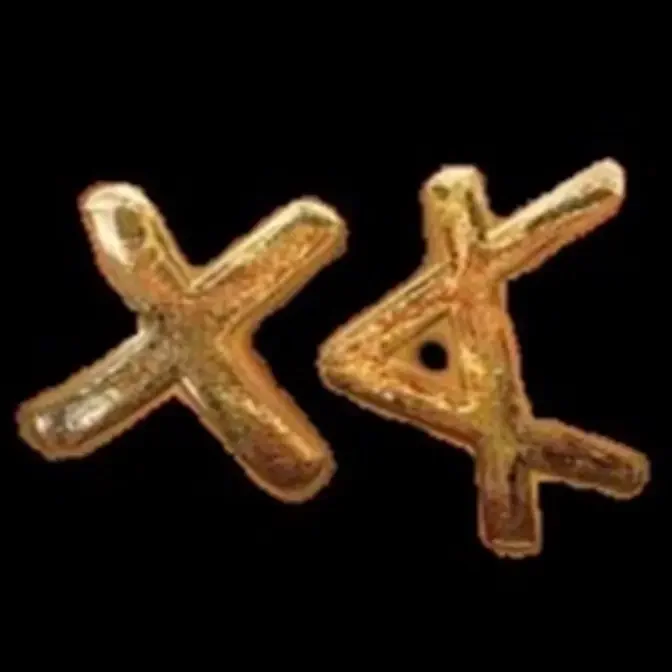
This video is an examination of what it means when we use Hebrew words VS english words in our prayer. this could extend to everyday life. But that's not explicit in the video. This video more focuses on what the words mean. And its relationship to our worship and prayer.
If you would like to support this channel consider these options:
Feel free to email us at [email protected] mailto:[email protected] But leave a comment that you sent me an email so that I can know to look for it.
dissertation the translation of ABBA to
P to Father exploring the impact of
intimate address on Divine relationship
and
worship
abstract this dissertation investigates
the implications of translating the
Aramaic term ABA into Greek as p and
subsequently into English as father it
focuses on early Christian texts such as
Romans 8:15 and galatians: 6 examining
how these translations adapt the
intimate relational dynamics of the
original Aramaic term while maintaining
its theological
significance Additionally the study
explores the impact of using abash
shamayim kardosh Shara instead of the
traditionally translated Our Father Who
Art in Heaven offering insights into how
a more intimate address might enhance
our relationship with the
Divine chapter 1
introduction 1.1
background the translation of the
Aramaic term ABA which conveys a deeply
personal intimate relationship into
Greek as p and then into English as
father represents a significant shift in
how God is
addressed while Abba implies a close
familial Bond p and far introduce
different layers of cultural and
linguistic
connotations this dissertation examines
these Transitions and their impact on
the relational and Theological
understanding of God in early Christian
contexts 1.2
objectives the primary objectives are to
anal analyze the translation process
from ABBA to p and father assess their
impact on early Christian Theology and
explore how using abash shamayim kardosh
shalar could restore the intimate nature
of the original term enriching our
spiritual practice and understanding of
divine
relationship chapter 2 Aramaic context
the meaning of ABBA 2.1 linguistic
Roots ABA is an Aramaic term that
signifies father with profound personal
intimacy
the letters in ABA reflect an ancient
understanding of familial
closeness alaf represents the beginning
strength and
Leadership B denotes a house or dwelling
symbolizing the personal and familial
aspect of the
relationship Alf reiterates the
leadership and nurturing
qualities this term similar to Daddy in
English implies both love and respect
and is used by children to address their
fathers with a sense of closeness and
Trust in Jewish and early Christian
prayer practices Abba underscores the
personal nature of the relationship with
God portraying him as a nurturing and
caring figure 2.2 theological
implications in Jewish tradition Abba
reflects a personal connection with God
characterized by both reverence and
affection this term found in various
prayers and texts emphasizes God's role
as a loving father who provides and
cares for his people its use in
Christian context highlights ites an
intimate and relational approach to God
illustrating a shift from a distant
deity to a close personal
father chapter 3 Greek context the
meaning of
p 3.1 linguistic
Roots p is the Greek term for father
although it covers a broad range of
paternal roles from authoritative to
nurturing its letters
convey Pi Pi suggests the idea of a
figure who is foundational and
supportive
alpha alpha symbolizes the beginning or
primary
importance Teta indicates a connection
to time and
tradition row row reflects stability and
Leadership while P denotes a paternal
figure it does not inherently carry the
same level of personal intimacy as ABA
in Greek culture P includes both formal
and relational aspects of fatherhood but
lacks the deep personal connection
implied by Abba 3.2 theological and
cultural
adaptation in Greek speaking Christian
communities P adapted the concept of God
as father to fit within Greek linguistic
and cultural
Frameworks although it retains the
essential meaning of Father it does not
fully capture the personal intimacy of
ABBA this adaptation was necessary to
communicate the concept of divine
fatherhood in a manner that resonated
with Greek cultural
norms chapter 4 translation process
adapting Abba to patter to Father for
0.1 translation
challenges the translation of ABA into p
and subsequently into far involved
navigating significant cultural and
linguistic
differences the challenge was to convey
the intimate personal nature of the
original term while making it
comprehensible to Greek and english-
speaking
audiences balancing theological accuracy
with effective linguistic adaptation was
crucial in preserving the relational
essence of the Divine address
for point two preservation of
intimacy despite the variations in
connotation the translations aim to
preserve the sense of personal
relationship between God and Believers
as conveyed by Abba P sought to retain
this sense in Greek and father continued
this tradition in English each stage of
translation worked to maintain the
relational essence of divine fatherhood
while adapting to new cultural
contexts chapter 5 theological
implications of using abash shamay
kardos
Shara 5.1 intimacy and reverence
combined the phrase abash shamayim
kardos Shara integrates both intimate
and formal aspects of addressing God by
using Abba in combination with shamayim
heaven and kardos Shara your Holiness
this formulation respects the divine's
Majesty while acknowledging a personal
connection the term Abba maintains a
close familial Bond while shamayim and
kardos Shara emphasize God's
Transcendent nature and
Holiness 5.2 practical considerations
for
worship adopting abash shamayim kardosh
Shara in worship practices could deepen
the personal and spiritual experience of
prayer revised liturgies updating
lurgical texts to include abash Shayan
kardos Shara could align worship with
the intimate yet reverent approach
suggested by TR
Ross Educational initiatives teaching
about the significant of this phrase
could enhance Believers understanding of
its relational and Theological
implications lurgical integration
incorporating this address into various
aspects of worship could Foster a richer
more personal engagement with God 5.3
theological and spiritual
benefits using abash shamayim kardosh
Shara could enhance intimacy restore a
sense of personal connection with God
maintain reverence preserve a balanced
View of divine Holiness and
Majesty promote engagement encourage
more sincere and heartfelt prayer
practices chapter 6
conclusion 6.1 summary of
findings the use of abash shamayim
kardos Shara instead of the traditional
Our Father Who Art in Heaven reflects a
more nuanced approach to Divine address
it integrates the personal intimacy of
ABBA with the respect and reverence due
to the Divine enhancing both the
relational and theological dimensions of
prayer 6.2 implications for worship
practice implementing Abba shamay kardos
Shara in worship could significantly
enrich the spiritual experience by
fostering a deeper more personal
connection with God while maintaining a
sense of his Divine
Majesty 6.3 future
directions future research could explore
the impact of this phrase across various
Christian traditions and cultural
contexts examining how it influences
pray practices and Theological
understanding
globally
references Ross
TR the third
Testament this dissertation provides a
comprehensive analysis of the impact of
translating Abba to p and father and the
potential benefits of using abash
shamayim kardos Shara in worship
highlighting the importance of intimate
and respectful Divine address in
enhancing spiritual practice and
understanding